
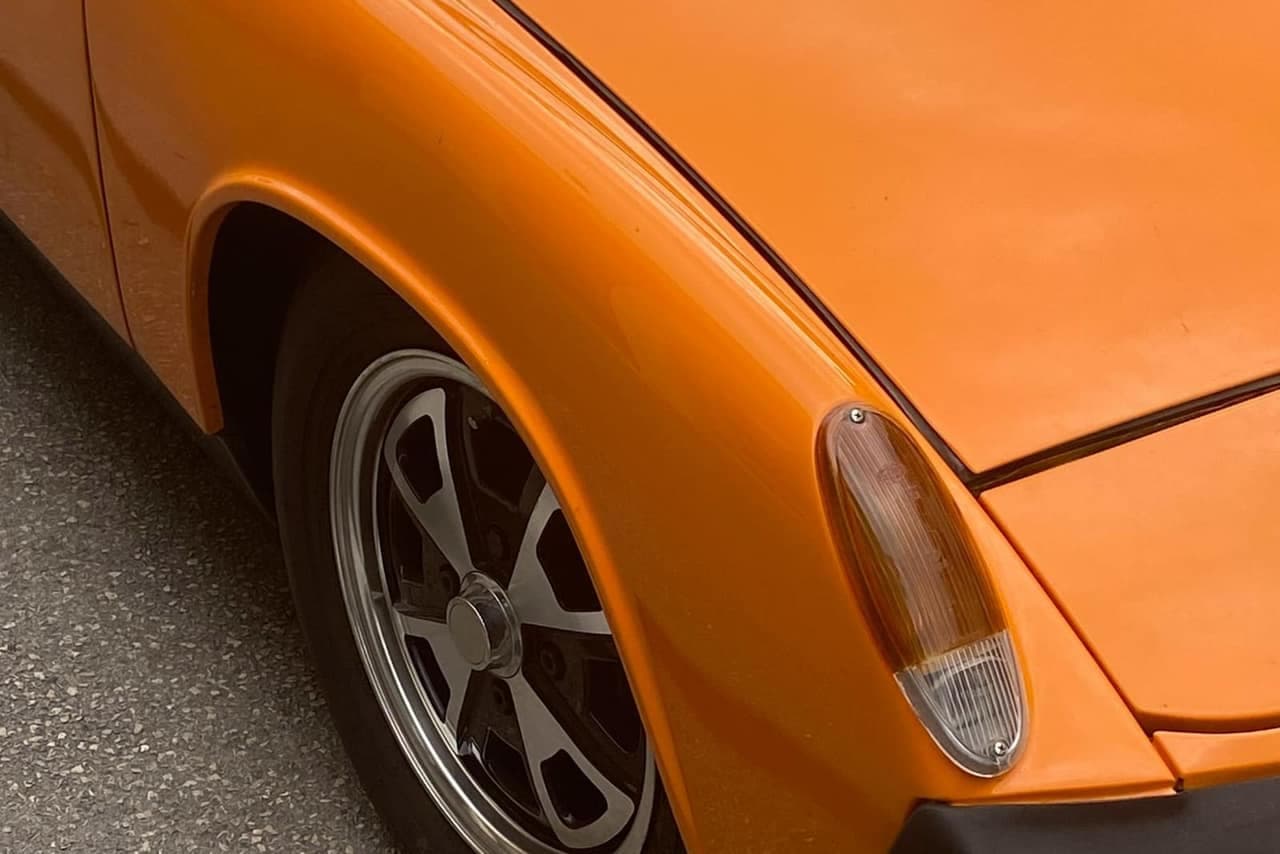
The bonnet: a big piece of metal that can cost you a lot
The bonnet is one of the largest single panels on a car. It covers the entire engine, stretches from the windscreen to the front grille, and takes up a good chunk of your car's visual identity. When the bonnet is in poor condition, you can spot it from a mile away. Literally.
And exactly because it is so big, a new bonnet costs about as much as a short holiday. For an average car we are talking about EUR 300 to 700 for the part itself, without paint. For premium brands? Easily EUR 800 to 1,500. Then add the painting which, because of the bonnet's size, runs EUR 250 to 500. Fitting is another EUR 50 to 100. The bill adds up quickly.
A used bonnet in good condition? EUR 50 to 250, depending on the model. If it is in the right colour, the saving is huge. That is why buying a used bonnet is one of the smartest moves you can make when your bodywork needs a refresh.
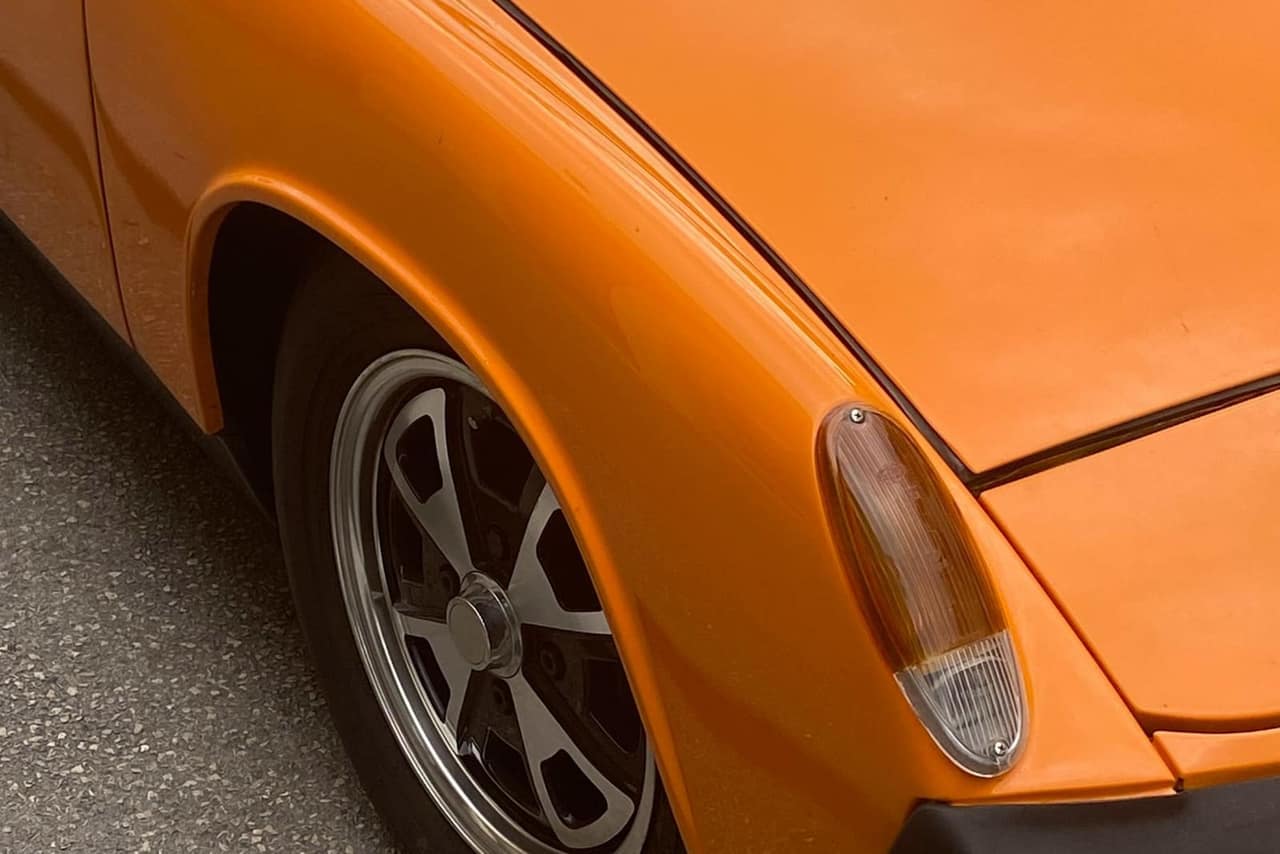
Aluminium vs. steel: two completely different worlds
This is the first and most important thing to know about bonnets. Not all bonnets are the same. Some are steel, some are aluminium, and that difference affects everything: from weight and price to how you repair and fit them.
Steel bonnets
Steel bonnets are the "classic" choice. Most cars up to the mid-2000s had steel bonnets, and many cheaper models still use them today. Steel is strong, relatively cheap to manufacture, and easy to repair. A panel beater can pull out a dent in a steel bonnet, fill it and repaint it, and the result will look great.
The downside of steel? Weight and a tendency to corrode. A steel bonnet is heavier than an aluminium one, which affects fuel consumption (minimally, but still). And if the protective coating gets damaged, steel will rust. The lower edges of the bonnet and the area around the hinges are especially prone to corrosion.
Aluminium bonnets
Aluminium is an increasingly popular material for bonnets, especially on premium brands. BMW, Audi, Mercedes, but also many mainstream makers like Ford, use aluminium bonnets on newer models. Aluminium is lighter than steel (30 to 40 percent lighter), does not rust in the classic sense, and has better energy-absorption properties in a crash.
But aluminium has downsides too. It is harder to repair because it is softer and prone to cracking when you try to straighten it. Painting aluminium requires special surface preparation. And most importantly for you as a used-parts buyer: aluminium bonnets are more expensive, even second-hand.
How to tell whether your bonnet is aluminium or steel
The simplest test is a magnet. Hold a magnet to the bonnet. If it sticks, the bonnet is steel. If it does not, it is aluminium. Easy as that.
You can also check your model's specifications online. Most car forums have detailed information about body materials for each model. Or just ask on the PoDi platform when you send an enquiry for a bonnet.
Why does this matter? Because you have to buy a bonnet made from the same material. If your car has an aluminium bonnet, you cannot fit a steel one (and vice versa) without serious modifications. The hinges, the latch, the bonnet struts, even the front panel are designed for the specific weight and dimensions of a bonnet made from a particular material.
What to look out for when buying a used bonnet
A bonnet is a relatively simple part to inspect because it is large and easy to examine. Here is what to pay attention to:
Flatness of the surface
The bonnet must be perfectly flat. Any dent, ripple or unevenness will show, especially in sunlight. Look at the bonnet at an angle (look along the surface, not from directly above) because that is the best way to spot imperfections. If you see waves or unevenness, the bonnet has probably been repaired or is slightly deformed from an impact.
Signs of previous painting or repair
Look at the underside of the bonnet. If you see traces of filler, repainting or paint that differs from the original, the bonnet has been repaired. That is not necessarily bad, but you need to know the repair was done well. A bad repair will reveal itself over time as cracked paint, peeling or rust appearing under the filler.
A good trick is to use a paint-thickness gauge (you can buy one for EUR 30 to 50 or borrow one). Original paint has an even thickness of 100 to 150 microns. If the gauge reads 200+ microns in some spots, the bonnet has been repainted or filled in that area.
Hinges and latches
Check the points where the hinges connect to the bonnet. The bolts must not be damaged or show tool marks that would suggest the bonnet has been removed and refitted before. Also check the bonnet latch and the safety mechanism.
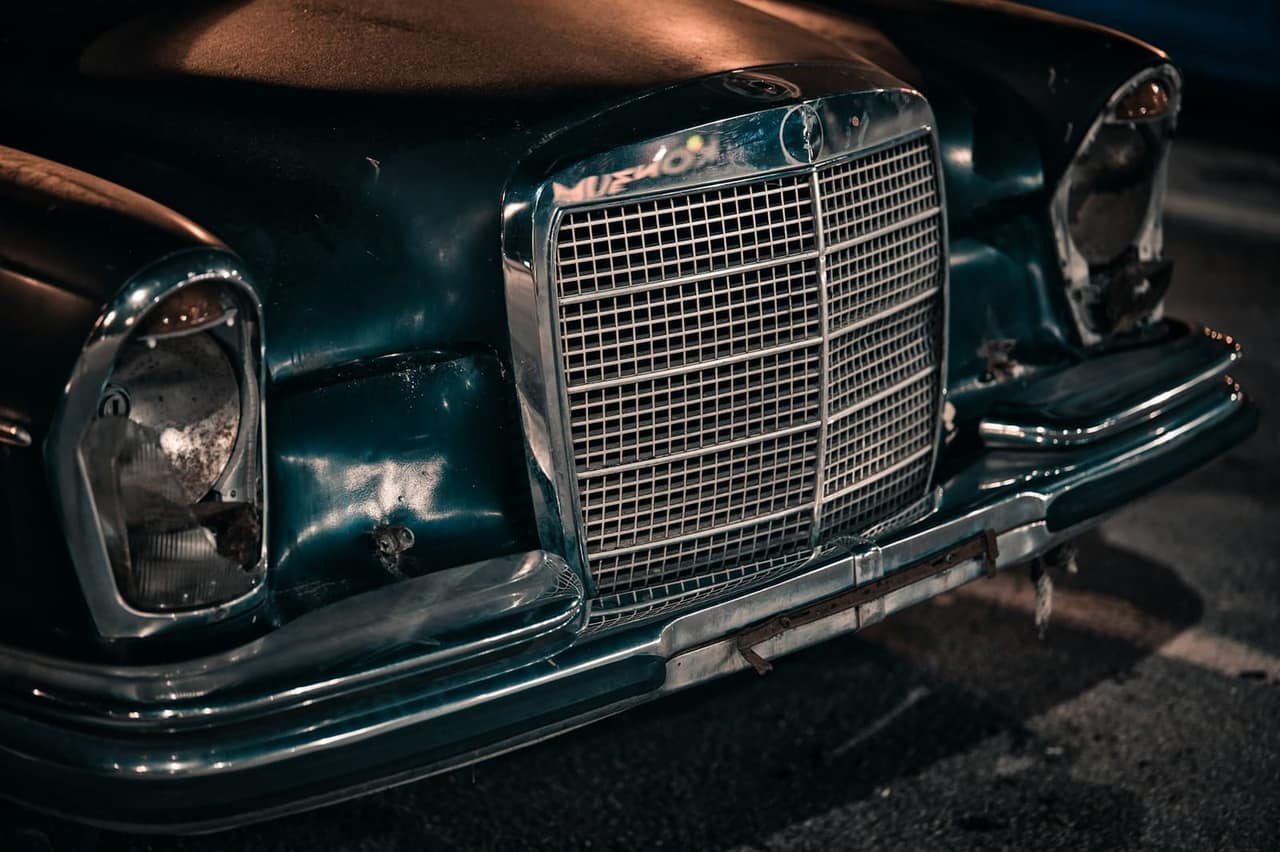
Corrosion (on steel bonnets)
Inspect the edges of the bonnet, especially the front edge and the edges around the hinges. These are the spots where water collects and corrosion most often starts. Also lift the bonnet and inspect the inner structure (reinforcements) because rust often appears in hidden areas.
Insulation and seals
Most bonnets have sound and heat insulation on the underside. Check whether the insulation is in place and in good condition. Also check the rubber seal on the front edge of the bonnet. These seals are not expensive, but it is good to know whether they need replacing.
Bonnet compatibility
Bonnets differ by model and year, but generally show less variation within a single model generation than bumpers or fenders. Still, there are some pitfalls:
- Facelift models - some facelifts bring a change in bonnet shape. For example, the BMW E90 pre-facelift and facelift have different bonnets.
- Engine variants - sometimes diesel and petrol versions have different bonnets (different vent openings).
- Equipment packages - sports packs sometimes include a bonnet with vents or a different shape.
The OEM part number is the safest way to check compatibility. Send an enquiry via the PoDi platform with your vehicle's details and suppliers will send you offers of compatible bonnets.
Transport and delivery of a bonnet
One thing people do not think about in advance is transport. A bonnet is a large, awkward piece. It will not fit in a boot. You need a van or a trailer to move it. If you are buying a bonnet with delivery, make sure the seller has packed it well because it is easy to damage in transit.
Ideally the bonnet should be wrapped in protective film or cardboard, with special attention to the edges and corners. If the bonnet arrives with a fresh scratch from transport, that is a small disaster because painting a bonnet is not cheap.
Used bonnet prices
Rough prices for used bonnets on popular models:
- VW Golf, Polo (steel) - EUR 40 to 100
- VW Passat (steel/aluminium) - EUR 60 to 150
- BMW 3 Series (aluminium) - EUR 80 to 200
- Audi A4 (aluminium) - EUR 80 to 200
- Mercedes C-Class (aluminium) - EUR 100 to 250
- Opel Astra (steel) - EUR 30 to 80
- Renault Megane (steel) - EUR 30 to 70
Fitting a used bonnet
Replacing a bonnet is a simple job that takes 30 minutes to an hour. The bonnet is held on by two hinges and a few bolts. The process is as follows:
- Disconnect the windscreen washer hose (if it runs through the bonnet)
- Undo the bolts holding the bonnet to the hinges
- Remove the old bonnet (always with the help of another person because the bonnet is heavy and awkward)
- Place the new bonnet on the hinges
- Tighten the bolts but not all the way
- Adjust the bonnet position until the gaps to the fenders and front grille are even on all sides
- Tighten the bolts fully
- Check the operation of the latch and the bonnet struts
The key step is adjusting the gaps. The bonnet must sit evenly away from the fenders on both sides and from the front grille. Uneven gaps are noticed immediately and give the impression of a bad repair, even if the bonnet is in perfect condition.
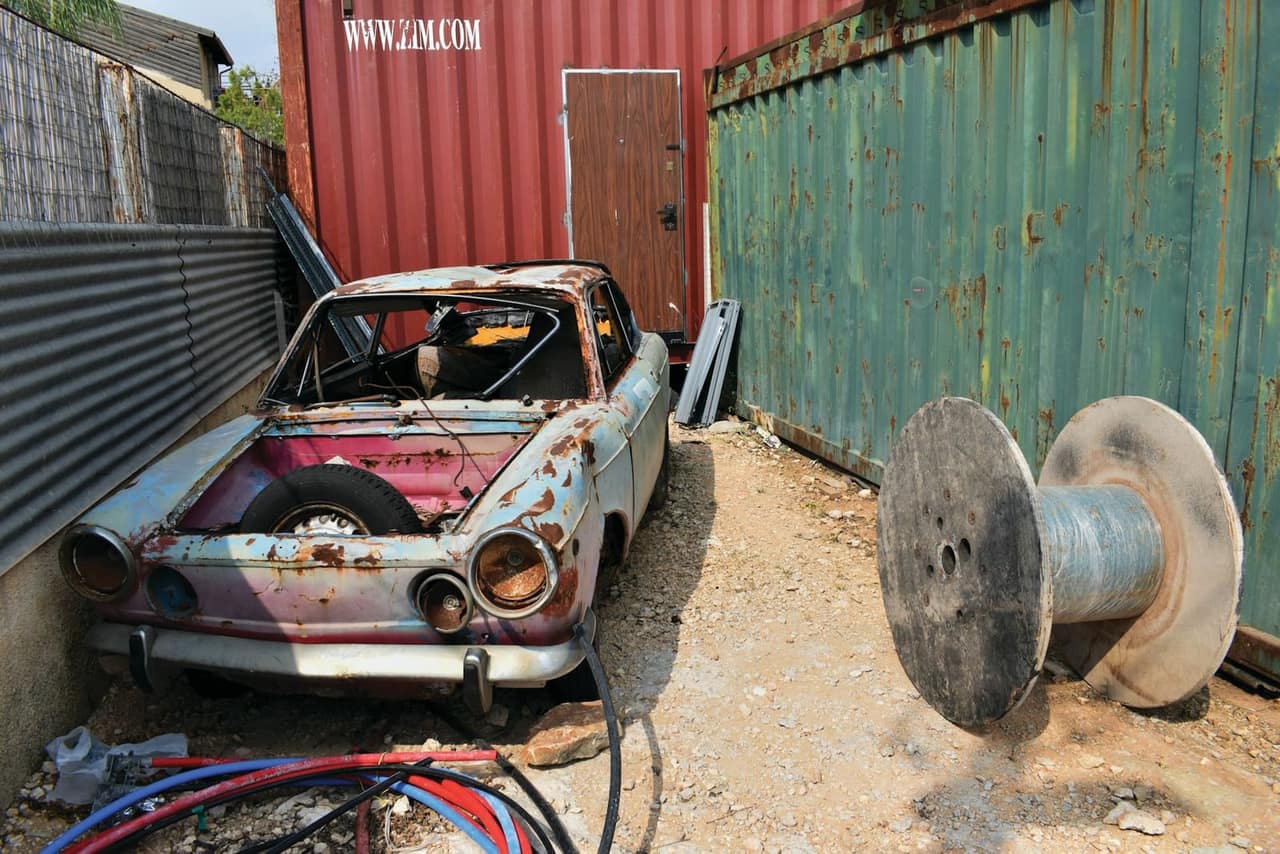
When it is worth painting a used bonnet
If you have found a bonnet in the right colour and in good condition, painting is not needed. Just clean the bonnet, polish it if needed, and fit it. But if the colour does not match or the bonnet has bigger scratches, painting is unavoidable.
Painting a bonnet costs more than painting a smaller part because the surface is large. Expect EUR 250 to 500 for a quality paint job with surface preparation, primer, base coat and clear coat. Cheaper options exist but be careful because bad paintwork on a bonnet really shows, since it is a large flat surface that reflects light.
Inspect, transport and save with a bonnet
A used bonnet is an excellent choice for saving money. Check the material (aluminium or steel), the condition of the surface, signs of previous repairs and corrosion. Confirm compatibility using the OEM number, and do not forget the logistics of transport because a bonnet is a large item.
When you take all of that into account, a used bonnet in good condition and the right colour can save you 50 to 70 percent compared with new. And that is a saving worth chasing. Send an enquiry to PoDi and compare supplier offers for the right bonnet for your car.