
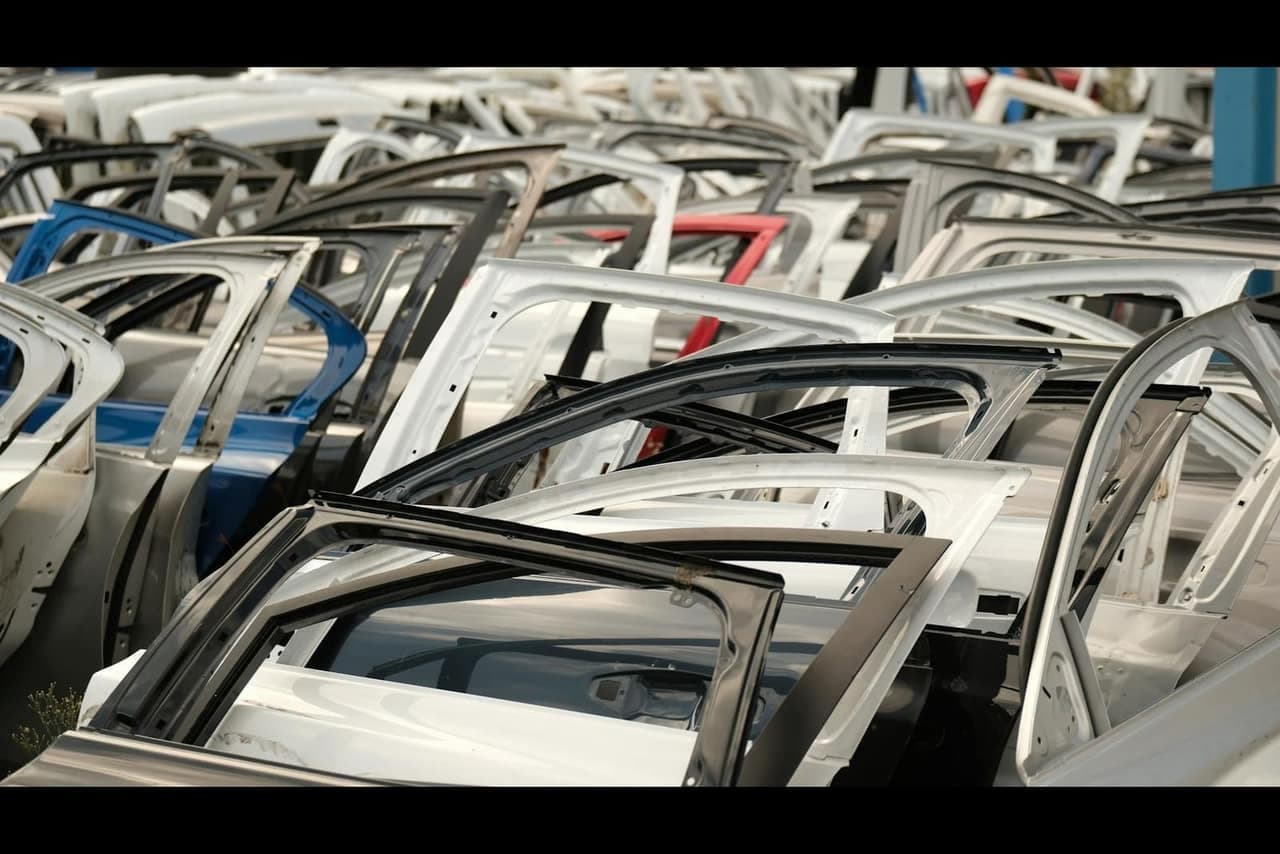
The fender: a part that quietly suffers while you are not looking
Fenders are the body parts you rarely think about. Until one starts rusting, someone bumps into it in a car park, or the body shop tells you "yeah, that needs replacing". And suddenly you become a fender expert because you have to be.
The thing about fenders is this: they are exposed to everything. Stones from the road, salt in winter, mud, water, sand, sun. They sit on the front line of defence between the wheel and the rest of the body, and their job is to take all those hits for you. Over time, that leaves its mark.
Replacing a fender with a new original part can cost between 150 and 500 euros, depending on the model and brand. Add painting (150 to 300 euros) and fitting (100 to 200 euros), and you are quickly looking at 400 to 1,000 euros. For a piece of metal. Sounds ridiculous when you put it like that, but that is the way it is.
A used fender in good condition and the right colour? That is 30 to 150 euros, plus fitting. The difference is huge. But, as with everything used, you need to know what to watch for.
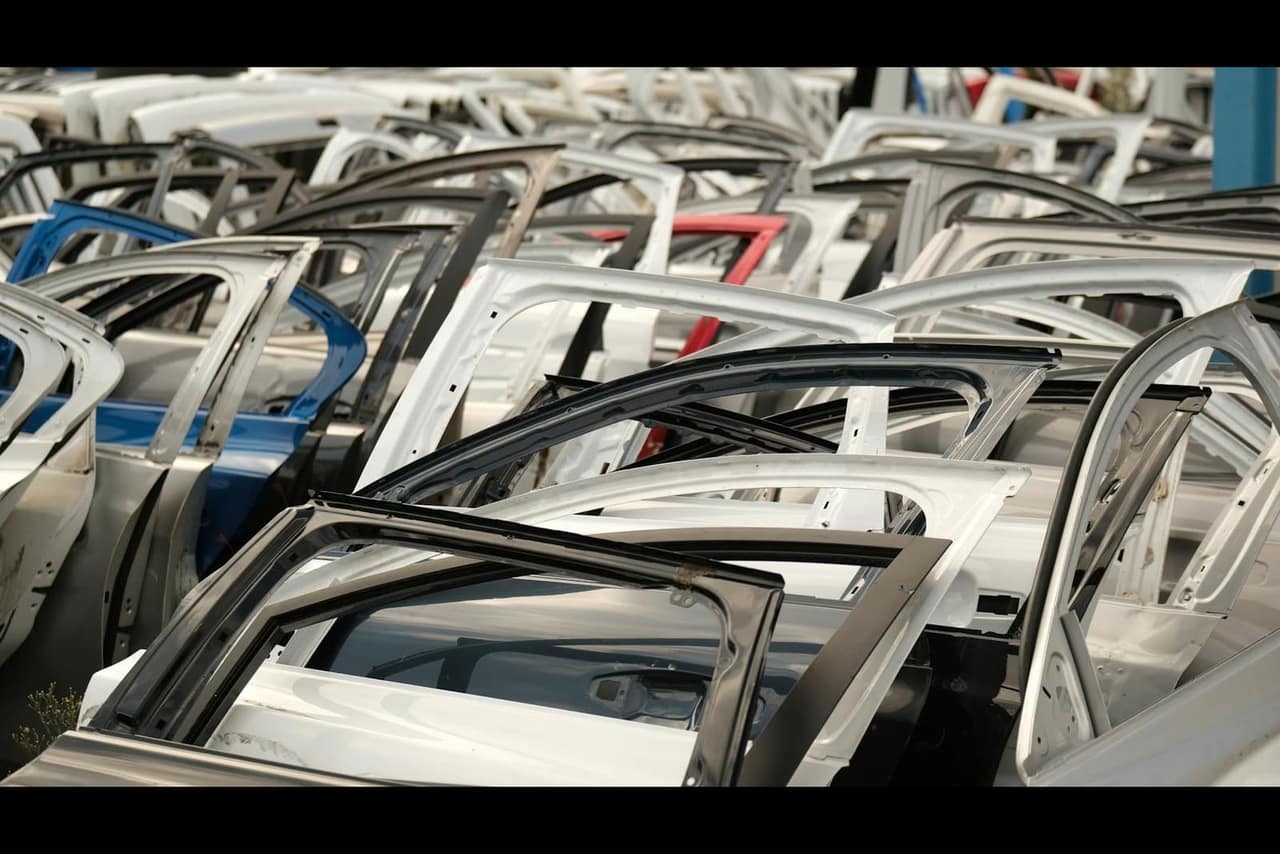
What exactly is a fender and why does it matter
The fender is the sheet metal panel that sits above the wheel and surrounds it. Its primary function is protective: it stops stones, mud and water thrown up by the wheel from hitting the rest of the body, other cars or pedestrians.
But the fender also has a structural role. It is part of the body that joins the front panel, the doors, the hood and the inner fenders. If the fender is damaged, that can affect door positioning (they do not close properly), panel gaps (uneven spacing), and the overall structural strength of that area.
So replacing a fender is not just a cosmetic thing. It is a matter of functionality and protection for your vehicle.
Front vs. rear fender
It is important to understand the difference between front and rear fenders because they are very different in construction and how they are replaced.
Front fenders
On most modern cars, front fenders are bolt-on parts. That means they are secured to the body with bolts and can be removed and replaced relatively easily. That is excellent news for you because it means the replacement is simpler, faster and cheaper.
The front fender is usually fixed at several points: the top edge (under the hood), the front edge (at the front panel join), the bottom edge (underneath), and the rear edge (at the door). In total we are talking about 5 to 10 bolts, depending on the model.
Rear fenders
Now for the less pleasant news. On most cars, rear fenders (quarter panels) are welded to the body. That means they are literally part of the car's structure and cannot simply be unscrewed and replaced. Replacing a rear quarter requires cutting out the old one, welding in the new, grinding, filling and painting. It is a serious body job that takes a day or two and costs significantly more.
When we talk about used fenders, we mostly mean the front fenders because they are replaceable in the classic sense. Rear quarters are bought used less often because the fitting process is so demanding that it is often better to repair the existing one rather than replace it.
Corrosion: enemy number one
When buying a used fender, corrosion is absolutely the first thing to check. Fenders are extremely prone to rust because they are constantly exposed to moisture, salt and mechanical damage to the protective coating.
Here is where corrosion most often appears on fenders:
- The bottom edge - The most common spot. Water and mud gather on the bottom edge of the fender and cause rust from the inside out. By the time you notice rust on the bottom edge, the inside is often already significantly affected.
- Around the wheel arch - Stones thrown up by the wheel hit the wheel arch lip and damage the paint and protective coating. Over time, those points become rust hotspots.
- Edges at the hood and doors - Water gets trapped in the joins between panels and causes rust on the edges.
- The inner side - This is sneaky because you cannot see it from the outside. Always inspect the inner side of the fender for signs of corrosion.

My advice? If you see even the smallest rust on a used fender you are considering, think hard. Rust is like cancer on metal: it spreads, and what you see from the outside is just the tip of the iceberg. Better to pay a little more for a fender without corrosion than to save 20 euros on one that will look bad again in a year.
How to check compatibility
Fenders vary by model, year, and sometimes by trim level. Here is how to make sure you are buying the right part:
- OEM part number - The safest way. Every fender has a unique OEM number that guarantees compatibility. You can find it in the parts catalogue or by asking a dealer.
- Model and year - Check the exact model and year range. For example, a fender for a Golf 7 (2012-2016) will not fit a Golf 7.5 facelift (2017-2020) because the dimensions and shape are slightly different.
- Trim - Some models have different fenders depending on equipment. For example, models with side indicators on the fender have a cut-out for the indicator, while models with indicators in the mirrors do not.
- Side - Sounds silly, but check whether you are buying the left or right fender. The left is on the driver's side (in Europe), right on the passenger side.
If you are not sure which fender you need, send a request to PoDi with your vehicle details, and suppliers will get in touch with offers for the right part.
Colour and painting the fender
As with bumpers, colour is an important factor. The ideal scenario is to find a used fender in the same colour as your car. That means finding a fender from a vehicle of the same colour, ideally of similar age (because colour fades over time).
The colour code for your vehicle is on a plate that is usually on the B-pillar, in the engine bay, or in the boot. With that code you can search specifically for a fender in the exact colour.
If you cannot find a fender in the right colour, do not worry. Painting a fender costs 100 to 250 euros and is common practice. In fact, even when you find a fender in the "same" colour, a slight shade difference can be visible, so many people still choose to paint the fender so the colour matches the rest of the car perfectly.
Prices of used fenders
Here are rough prices for front fenders of the most popular models:
- VW Golf, Polo - 30 to 80 euros
- BMW 3 Series - 50 to 120 euros
- Audi A3, A4 - 50 to 130 euros
- Mercedes C-Class - 60 to 150 euros
- Opel Astra - 25 to 70 euros
- Skoda Octavia - 30 to 80 euros
Compare that with the prices of new fenders (150 to 500 euros without painting) and you will see why used fenders make sense.

Fitting a used fender
Replacing the front fender is a relatively simple job. An experienced body shop person can do it in an hour, and the fitting cost is usually 50 to 150 euros. The process goes like this:
- Removing the headlights (sometimes not needed, depends on the model)
- Removing the front bumper or part of it
- Undoing the bolts holding the fender
- Removing the old fender
- Fitting the new (used) fender
- Adjusting the gaps to the hood, doors and bumper
- Reinstalling everything that was removed
If you are handy with tools, this is a job you can do yourself in the garage. You will need a socket set (typically 10mm and 13mm), a Phillips screwdriver, and patience for adjusting the gaps between panels. The most important step is the last one: getting the gaps clean and symmetrical.
When to repair the old fender instead of buying used
It is not always necessary to buy a new or used fender. Sometimes it is more cost-effective to repair the existing one. If the damage is minor (small dent, scratch or localised corrosion), a body shop can pull the dent, fill, sand and repaint the affected area for 100 to 200 euros.
But if the fender is significantly deformed, has larger cracks or widespread corrosion, replacement is the better option. Repairing a badly damaged fender can cost more than buying a used one in good condition, and the result will not be as good.
General rule: if the repair costs more than 60-70% of the price of a used fender with fitting, go for replacement.
Final thoughts on buying a used fender
Buying a used fender is a great way to save on body repairs. The key is to check the condition (especially corrosion), compatibility (OEM number or exact model and year), and colour. If all of that lines up, you will get a part that looks and works like new, for a third to half the price.
And do not forget: after fitting the new fender, be sure to protect it. Apply protective wax or ceramic coating, especially to the lower edge and wheel arch. That will significantly extend its life and delay the onset of corrosion. And when you need a fender or any other body part, PoDi connects you with suppliers.