
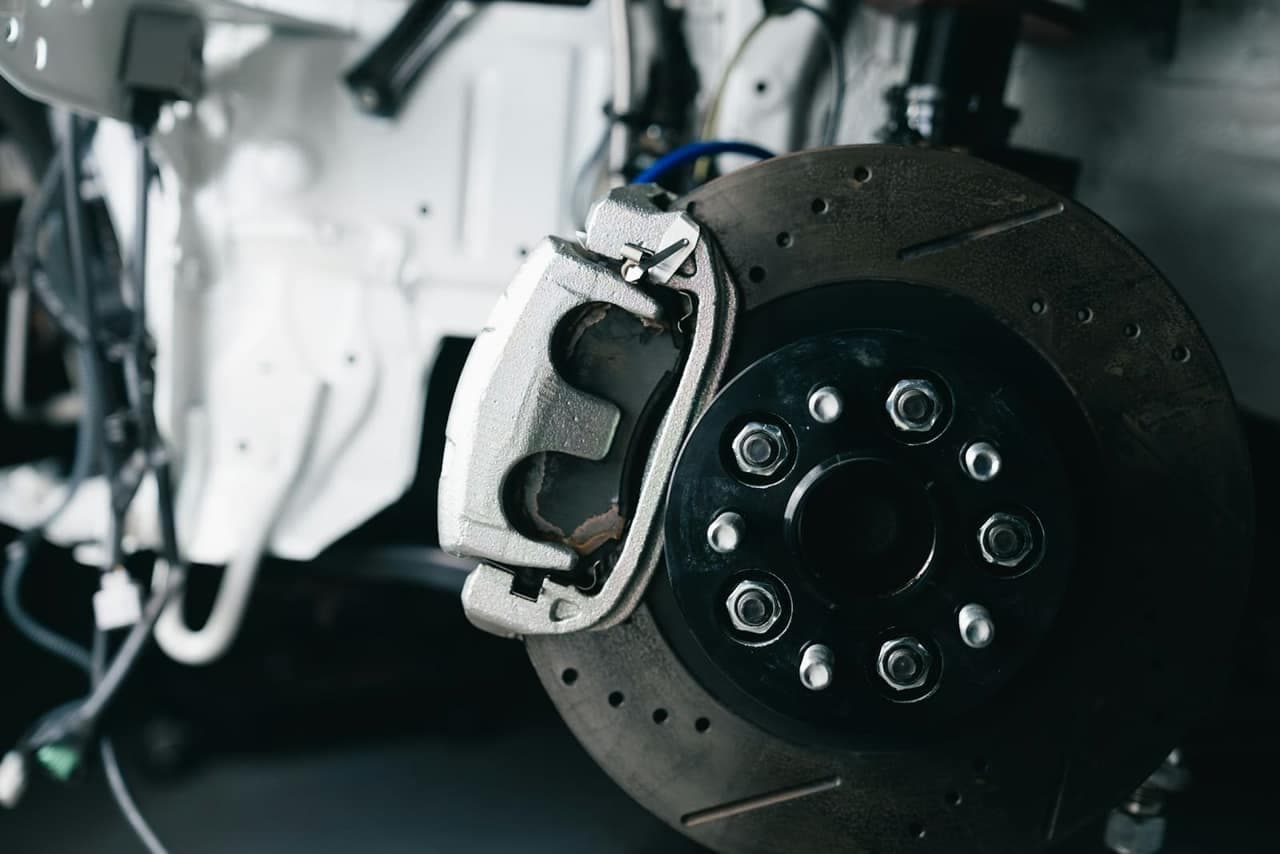
Anti-roll bar: a part everyone hears, but few understand
If you have ever heard a knocking sound from the suspension when going over a pothole or a speed bump, there is a good chance the culprits are the anti-roll bar end links. It is one of the most common suspension faults, so common that every driver should know what it is. And yet, when a mechanic mentions "anti-roll bar" or "sway bar link", most people have no idea what they are talking about.
Let us clear up the confusion. The anti-roll bar is a metal rod that links the left and right wheels on the same axle, and the end links are the joints that connect it to the suspension. They wear out fast because they take constant loads, and the question of whether to take used or new ones has a clear answer. Spoiler: it might surprise you.
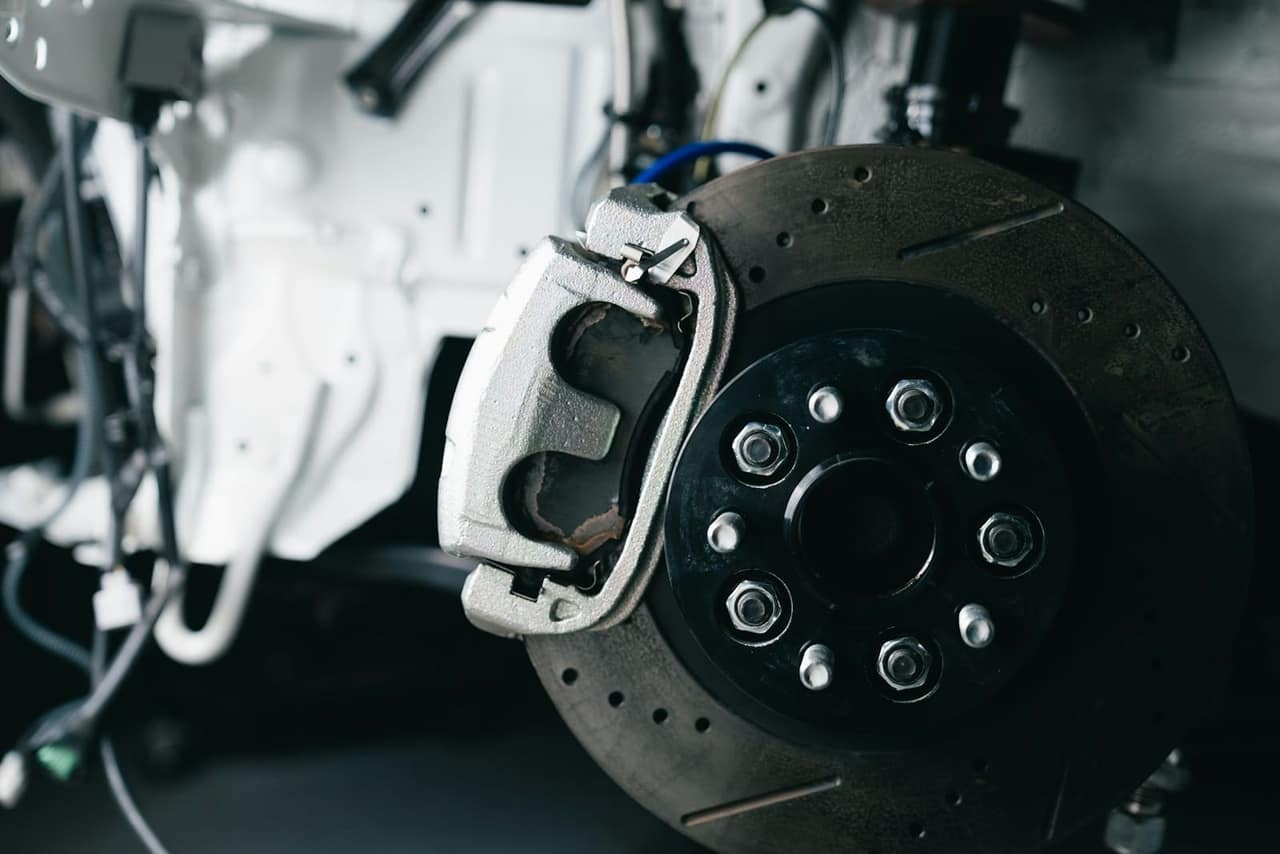
What is the anti-roll bar and how does it work
The anti-roll bar (also known as a sway bar or torsion stabiliser) is a U-shaped steel rod that links the left and right wheels on the same axle. It attaches to the body or subframe via rubber bushings, and connects to the wheels (more precisely, to the shocks or wheel knuckles) through anti-roll bar end links.
Its job is to reduce body roll in corners. When the car enters a corner, the body leans towards the outside. The anti-roll bar twists under that load and transfers part of the force from the outer side to the inner one, which reduces the lean and improves stability.
Without an anti-roll bar, the car would lean in corners like a boat on the waves. With it, the body stays relatively flat, the wheels keep better contact with the road, and the driver has a better sense of control.
Parts of the anti-roll bar system
- The bar itself - U-shaped steel rod, the main structural element
- Anti-roll bar bushings - rubber bushings that hold the bar to the subframe/body
- End links - short rods with ball joints at both ends that connect the anti-roll bar to the suspension
Why end links wear out so quickly
End links are one of the most frequently replaced suspension parts, and there is a good reason for it. They are exposed to constant forces in several directions at the same time. Every road bump, every corner, every braking event creates forces that act on the ball joints of the end links.
The average life of anti-roll bar end links is 40,000 to 80,000 km. That is significantly shorter than most other suspension parts. On poor roads (and the region is not exactly known for perfect roads), end links can last even less.
When the ball joint of an end link wears out, play develops that produces a characteristic knocking sound. That knock is usually most pronounced at low speeds and when crossing small bumps. Interestingly, on big potholes the knocking may be less pronounced because the anti-roll bar deforms more and the link is not in its "dead play" zone.
How to spot worn end links
- Knocking when crossing bumps - the classic symptom, usually a metallic "clop-clop"
- Knocking under braking and acceleration - lengthwise forces also move a loose link
- Increased body roll in corners - if the links are heavily worn, the anti-roll bar does not work effectively
- Squeaking on slow steering inputs - dry joints without grease
A simple test: jack the car up, grab the end link and try to move it up and down. If you feel play or hear a knock, the link needs replacing.
Used end links: no point
Here is one of the rare parts we will say clearly and without hesitation: buying used end links makes no economic sense at all. Here is why.
New aftermarket end links for most popular cars cost 5 to 15 euros apiece. Yes, you read that right. Five to fifteen euros. A pair of links (left and right) costs 10-30 euros. Even premium brands like Lemforder or TRW rarely go above 25 euros apiece.
Used end links from a scrapyard cost 5-10 euros each and come with no guarantee on condition. Given that they last 40,000-80,000 km when new, used ones with unknown mileage may be near the end of their life. A saving of 5-10 euros does not justify the risk of fitting a worn part you will replace again in a couple of months.
So our recommendation for end links is clear: buy new. Even if you buy every other suspension part used, always buy end links new.
Used anti-roll bar: a different story
Unlike the end links, the anti-roll bar itself is a completely different story. The bar is a piece of steel that practically does not wear in normal conditions. Except in a heavy crash or extreme corrosion, the anti-roll bar lasts the whole life of the car.
A used anti-roll bar is therefore an excellent buy, especially if you need to replace one damaged in a collision, or if you are doing a conversion (e.g. fitting a thicker bar from a sportier model).
When to buy a used bar
A new anti-roll bar costs 40 to 150 euros depending on the model. A used one is usually 15-50 euros. The saving is decent, and the risk is minimal since there is nothing on the bar that can break unless it is physically damaged.
A popular modification is fitting a thicker bar from a sportier model. For example, the front bar from a VW Golf GTI onto a regular Golf. That improves cornering at minimal cost. A used bar from a GTI costs 20-40 euros and can noticeably improve handling.
Anti-roll bar bushings: cheap but important
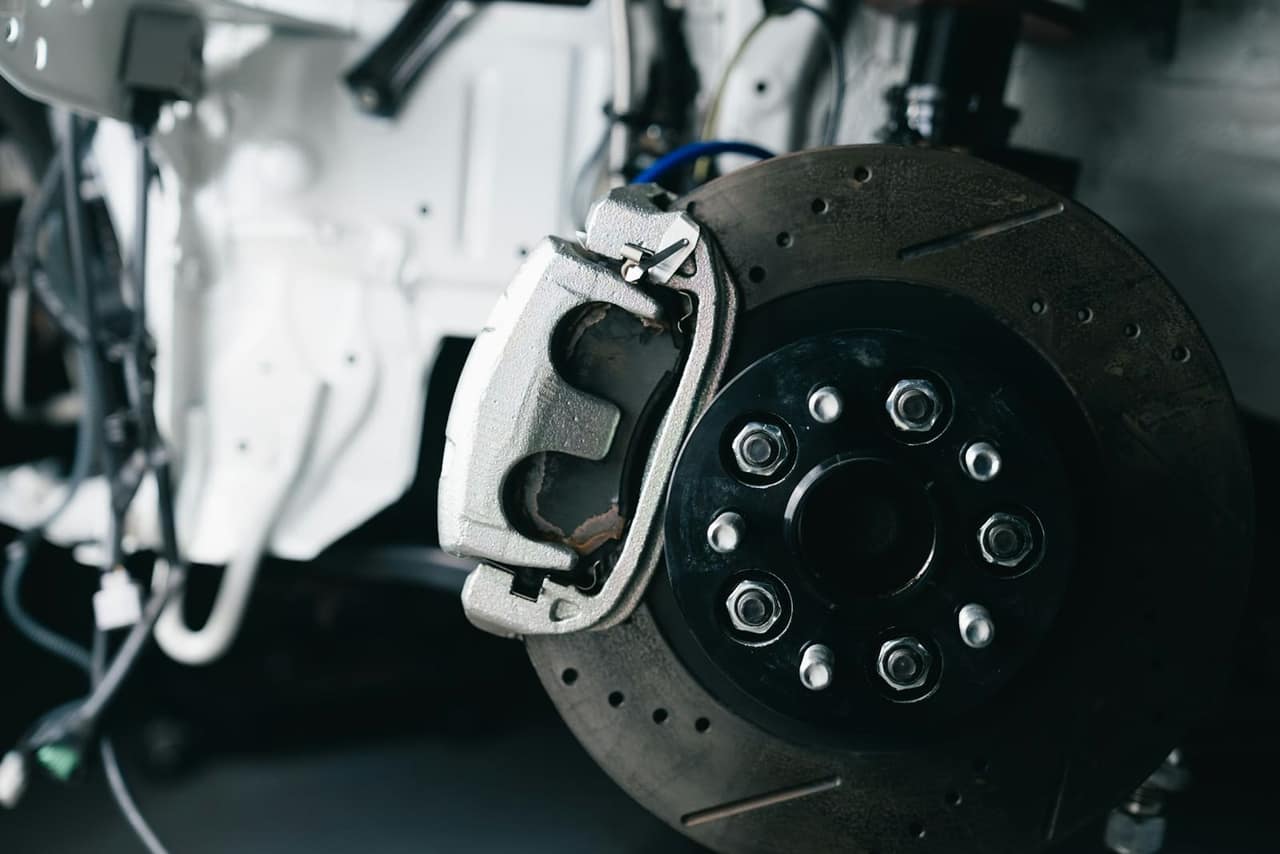
Anti-roll bar bushings are rubber rings the bar passes through and which hold it to the subframe. They wear slowly but steadily, and once they wear out, the bar starts to move in the bushing and produces a knocking sound similar to worn end links.
New bushings cost 3-8 euros each. Yes, three to eight euros. So cheap that you should always replace them whenever you do any work on the anti-roll bar. Buying used bushings at these prices is pointless.
Tip: when you replace the end links, always replace the bar bushings as well. The total extra cost is 6-16 euros, and you make sure the whole system works like new.
Replacing end links: one of the easiest suspension jobs
Replacing end links is one of the rare suspension jobs an average home mechanic can do with basic tools. You need a jack and a stand, spanners of the right size (usually 16 or 17 mm), and possibly a hex key to hold the joint's pin.
The procedure is simple:
- Lift the car and take the wheel off
- Undo the nut on the upper joint of the link (which attaches to the shock or knuckle)
- Undo the nut on the lower joint (which attaches to the anti-roll bar)
- Remove the old link
- Fit the new link and tighten the nuts
- Repeat on the other side
The whole job takes 20-40 minutes for both sides. At a mechanic, labour costs 20-40 euros. Given how simple it is, this is a job worth learning to do yourself.
Important: after replacing the end links there is no need to do a wheel alignment because the links do not affect the wheel position.
Common problems and fixes by model
Some models are more famous for anti-roll bar issues than others:
VW Golf 5/6/7 and Audi A3: End links on these models do not last long (40,000-60,000 km). The good news is that aftermarket links are cheap and easy to find. Use brands like Lemforder or Meyle HD for longer life.
BMW E46/E90: The front anti-roll bar on a BMW is connected to the shock by a specific link that is a bit more expensive than the standard one (15-25 euros). The rear anti-roll bar has simpler links.
Ford Focus: Known for squeaking end links, even when they are relatively new. The issue is often the quality of the aftermarket parts. Use higher-quality brands or genuine Ford parts.
Opel Astra H/J: Links wear out fast, especially on poor roads. The suggestion is Meyle HD, which has reinforced construction and lasts significantly longer than the standard ones.
How much a complete replacement costs
For an average mid-size car (Golf, Focus, Megane), here is the total cost of a replacement:
- Pair of end links (new aftermarket): 10-30 EUR
- Pair of bar bushings (new): 6-16 EUR
- Mechanic's labour: 20-40 EUR
- Total: 36-86 EUR
That is one of the cheapest suspension repairs you can do, and it gets rid of a knock that grates on your nerves every day. There is no point putting up with the knocking for months when the fix is this affordable.
When the anti-roll bar can cause more serious problems
Although the knocking from worn end links may seem harmless (other than to your nerves), ignoring it can lead to more serious problems:
- Damage to threads - a loose link constantly hits and can damage the thread on the shock mount, which is a much more expensive repair
- Damage to the anti-roll bar - a loose link can damage the eyelet on the bar
- Failing the roadworthiness inspection - worn end links are a common reason for failing a test
- Reduced cornering behaviour - the car leans more, which can be dangerous in emergencies
Order parts for your anti-roll bar
We suggest buying end links new, but if you need the anti-roll bar itself or other suspension parts, send a request through the PoDi platform. State your car model and which parts you need, and we connect you with suppliers who will send quotes at competitive prices. Quick, simple and with no commitment.