
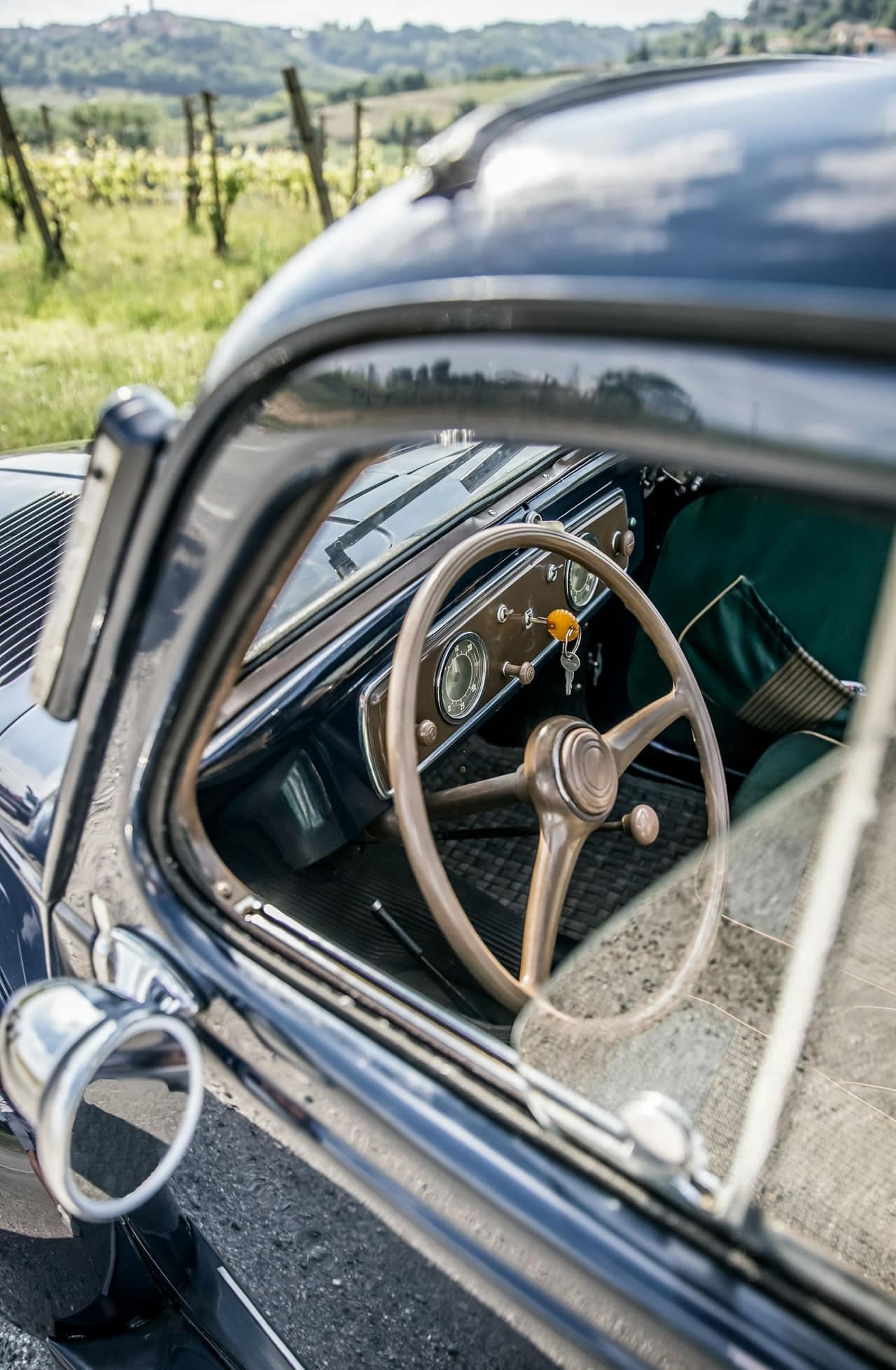
Power steering: from luxury to necessity
Think back to the last time you tried to turn the steering wheel on a parked car with the engine off. Hard work, right? Well, that is what driving every car was like before power steering was invented. Today, power steering is standard on absolutely every car, and when it stops working, the car becomes practically impossible to steer normally, especially at low speeds and when parking.
The problem is that power steering systems are expensive to fix. A new steering rack with hydraulic assist can cost from 300 to 1000 euros, and electric power steering systems on modern cars can be even pricier. Power steering pumps are a bit cheaper (100-400 euros for a new one), but still represent a significant expense.
And that is where used parts come in. Power steering systems are among the most commonly sought parts at scrapyards, and for good reason. The savings can be huge. But the risks are real too. Let us break down everything you need to know.
Types of power steering
First of all, you need to know which type of power steering your car has. That decides which parts you need and how much they will cost.
Hydraulic power steering (HPS)
The classic system that uses a hydraulic pump driven by a belt from the engine. The pump creates pressure in the fluid that helps turn the steering rack. This system was used on almost every car up to the mid-2000s and is still present on many vehicles.
Components of a hydraulic power steering system:
- Power steering pump - creates pressure, driven by a belt from the engine crankshaft
- Steering rack - turns the rotation of the wheel into the side-to-side motion of the tie rods
- Hydraulic hoses - high pressure and low pressure, linking the pump to the rack
- Fluid reservoir - holds the power steering fluid with a filter
The upside of the hydraulic system is its simplicity and reliability. The downside is that the pump uses engine power all the time (even when you drive straight and no assist is needed), which raises fuel use.
Electro-hydraulic power steering (EHPS)
A transitional solution where the pump is driven by an electric motor instead of an engine belt. The advantage is that the pump only works when assist is needed, so the system is more efficient. The downside is that the electric motor and control electronics add complexity and potential failure points.
Electric power steering (EPS)
A modern system that drops hydraulics altogether. An electric motor directly assists with turning the steering rack or steering column. No fluid, no pump, no hoses. Everything is controlled electronically.
EPS is standard on most cars built after 2010. The benefits are lower fuel use, less maintenance and the option for sophisticated features like adaptive steering and parking assist. The downside is the cost of repair when something fails, since electronics and electric motors are not cheap.
Common power steering faults
Understanding the faults helps when buying used because you know what to watch for.
Hydraulic system faults
- Power steering fluid leak - the most common issue, usually from rack seals or hose joints
- Worn power steering pump - whining when turning the wheel, harder steering
- Clogged filters - restrict fluid flow, reduce effectiveness
- Damaged hoses - corrosion or aging of the rubber sections
- Worn rack seals - leaks and loss of assist
Electric system faults
- Failed electric motor - total loss of power assist
- Control unit failure - electronic error, warnings on the dashboard
- Damaged torque sensor - assist does not react properly to wheel movement
- Power supply issues - weak battery or poor contacts
Used power steering pumps: worth it?
Power steering pumps are one of those parts where buying used can be very worthwhile. Here is why:
A new OEM power steering pump for an average car costs 150-400 euros. A used one in good condition costs 40-120 euros. That is a saving of 100-300 euros on a single part. And power steering pumps are fairly tough parts that can last 200,000+ km if maintained properly (regular fluid changes).
A used pump from a car that did 100,000 km and was serviced regularly can serve you another 100,000 km without trouble. That is an excellent buy for 60-80 euros.
How to check a used power steering pump
The ideal scenario is to check the pump while it is still on the car. If you are buying at a scrapyard, ask them to start the engine and turn the steering wheel from full left to full right. Listen for noises. The pump should run quietly, without whining, grinding or knocking.
If you are buying an already-removed part, watch for the following:
- Turn the shaft by hand. It should rotate smoothly without binding
- Look at the seal around the shaft. Signs of leaking mean the seals are worn
- Check the inlet and outlet ports. They must not be damaged or blocked
- Check the pulley (if it is part of the pump). It must not be cracked or pushed out
- Look at the colour of the fluid left in the pump. Black or dark brown fluid means it has not been changed and the internals are probably worn

Used power steering racks
The steering rack is a more expensive and more complex part than the pump, and buying a used one calls for more caution.
A new OEM rack for an average car costs 400-800 euros, while a used one can be 100-300 euros. That is a saving of 300-500 euros, which is serious money. But the rack is a part that is hard to check without fitting it and testing on the car.
Hydraulic racks
On hydraulic racks, the most common problem is worn seals causing leaks. External leaks are visible, but internal leaks (fluid moving from one chamber to another inside the rack) are invisible and cause loss of assist when turning one way.
When inspecting a used hydraulic rack:
- Check the boots at the ends of the rack. If they are full of oil, the rack is leaking
- Move the piston shaft by hand from end to end. The motion should be smooth without binding
- Check the hydraulic hose connections. Damaged threads are a problem
- Look at the mounting points. Damage means the rack was forcibly removed
Electric racks (EPS)
Used electric racks are an even riskier buy because they have electronic components that cannot be checked without the right diagnostic equipment. The electric motor, torque sensor and control unit all have to work properly.
An extra problem with EPS systems is that some are tied to a specific vehicle (programmed to the VIN), so a used rack from another car may not work without reprogramming, and that can be expensive or even impossible with some manufacturers.
Still, EPS racks are so expensive when new (500-1500 euros) that used ones remain an attractive option. Just buy from reliable suppliers who offer a guarantee on functionality.
Used power steering part prices
Here is a price overview for the most sought-after models:
- Hydraulic pump - 40-120 EUR used, 150-400 EUR new
- Electro-hydraulic pump - 80-200 EUR used, 250-600 EUR new
- Hydraulic steering rack - 100-300 EUR used, 400-800 EUR new
- Electric steering rack (EPS) - 150-500 EUR used, 500-1500 EUR new
- Power steering hose set - 30-80 EUR used, 80-200 EUR new
The savings are big across all components, but biggest on steering racks for premium cars. A used EPS rack for a BMW 3 Series or Mercedes C-Class can save 500-1000 euros versus new.
Remanufactured power steering parts
Between new and used there is also the option of remanufactured power steering parts. On remanufactured pumps and racks, all the seals, bearings and worn internal parts have been replaced, while the housing and other structural parts are kept.
Remanufactured power steering parts are usually 30-50 percent cheaper than new and come with a warranty (usually 12-24 months). That makes them an excellent middle ground because you get reliability close to a new part at a significantly lower price.
Many specialist shops offer to rebuild your old rack or pump. You send them your old part, they rebuild it and send it back. The rebuild price is usually 100-250 euros for a pump and 200-400 euros for a rack.
Fitting tips
Whether you are buying a used pump or a used rack, here are important fitting tips:
- Replace the power steering fluid - throw out the old fluid and refill with fresh. Use the fluid specified by the vehicle manufacturer
- Bleed air out of the system - air in a hydraulic system causes noise and reduced effectiveness. The bleeding procedure varies by model
- Check the hoses - while you are replacing the pump or rack, inspect the hoses. Old rubber hoses can be brittle and may burst soon after fitting a new part
- Replace the filter - the filter in the power steering reservoir is often forgotten, and a clogged filter can destroy a new pump
When to replace power steering fluid
Many manufacturers claim that power steering fluid is "lifetime" and does not need changing. That is not true. Power steering fluid degrades over time and use, loses its lubricating properties and can cause wear on the internal parts of the pump and rack.
The suggestion is to replace the power steering fluid every 60,000-80,000 km or every 4-5 years. It is a cheap job (20-40 euros for fluid and labour) that can significantly extend the life of the power steering system.
If you buy a car with an unknown service history, a power steering fluid change is one of the first things you should do. Clean, fresh fluid can even improve the operation of a neglected power steering system.
Find used power steering parts for your car
Power steering systems vary by model and year, so identifying the right part exactly is critical. On the PoDi platform you can send a request for a used power steering pump, rack or any other steering part. Provide the model, year, engine type and the type of power steering (hydraulic or electric), and we connect you with suppliers who will send you offers directly.
Suppliers on the PoDi platform usually offer used power steering parts with verified condition and, when they do, with a working guarantee. That gives you peace of mind on a purchase that can save hundreds of euros compared with a new part.