

Why the used parts business is one of the best opportunities today
If you are thinking about starting your own business and you have a soft spot for cars, selling used car parts is one of the most promising options you can pick. It may sound surprising, but here is why this market is so interesting.
The average car in Croatia is around 13 years old. That means most vehicles on our roads regularly need parts. New original parts are expensive, and owners of older cars do not want (or cannot) invest thousands of euros into repairs. That is where used parts come in. Quality, tested, working parts that cost half as much as new ones, or even less.
Demand is constant. Cars break down all year round. And unlike many businesses, this is not a seasonal one. In winter heaters fail, in summer air conditioning, while brakes, suspension and engines have no season. Add to that the trend of the circular economy and growing environmental awareness, and you get a business that is both profitable and socially responsible.

Two basic business models
Before you start anything, you have to decide which business model suits you. There are two basic approaches, and each has its pros and cons.
Model 1: Physical scrapyard
This is the classic approach. You buy complete vehicles (usually crashed or worn out), dismantle them into parts, and sell those parts individually. You need space for storage, tools for dismantling and someone who knows what they are doing.
The advantages of this model are clear. You buy a whole car cheap (sometimes for 200 to 500 euros), and the parts from that car can together be worth 5 to 10 times more. Engine, gearbox, alternator, starter, computer, seats, bumpers, glass, headlights... when you add it all up, the earnings can be significant.
The downsides are equally clear. You need space, usually 500+ square metres. You need equipment for lifting and moving vehicles. You need knowledge of different makes and models. And you have to deal with waste materials like oil, coolant and batteries, which means complying with environmental rules.
Model 2: Online intermediary
This model is more modern and requires less initial investment. Instead of dismantling cars yourself, you connect buyers with suppliers. You receive a request from a buyer, find the part with one of your suppliers (scrapyards, workshops or private individuals), add your margin and arrange delivery.
Pros: lower startup costs, no need for physical space, you can work from home, you can cover a wider geographical area. Cons: less control over quality, dependence on suppliers, smaller margins per item.
Many successful sellers use a combination of both models. They have a smaller physical space with the most popular parts and at the same time act as an intermediary for everything else.
Formal requirements and registration
Yes, you have to be registered. You cannot legally sell used parts without a registered business activity. Here is what you need:
Sole trader or limited company - For a start, a sole trader (obrt) is simpler and cheaper to register. If you plan a bigger business with partners or investors, a limited company (d.o.o.) is a better choice. The activity you register is usually "Retail sale of used motor vehicle parts" or similar.
Location permit - If you open a physical scrapyard, you need a location permit. This can be the trickiest part because scrapyards fall under specific waste management rules.
Waste management permit - Mandatory for physical scrapyards. You have to prove you can safely dispose of hazardous substances from vehicles (oil, fuel, coolant, batteries).
Fiscal cash register - Required for everyone selling to end customers.
I recommend consulting an accountant and a lawyer before you start. Investing 500 euros in professional advice can save you thousands of euros and months wasted on bureaucratic problems.
How much money you need to start
This is the question everyone asks, and the answer depends heavily on the model you choose.
Online intermediary (minimal start): 1,000 to 3,000 euros. That covers business registration, a basic website, a phone and initial marketing. You can literally start from your bedroom.
Small physical scrapyard: 10,000 to 30,000 euros. Rent for premises (or use of your own), basic equipment (jack, tools, storage racks), first 5 to 10 vehicles to dismantle, registration and permits.
Serious scrapyard: 50,000+ euros. Larger premises, a vehicle lift, a forklift, quality tools, inventory management software, a bigger starting inventory of vehicles.
My advice? Start small. Buy one or two cars of popular models (VW Golf, Opel Astra, BMW 3 Series), dismantle them, sell the parts and learn from experience. Only once you see the business works and you know what you are doing should you invest in growth.
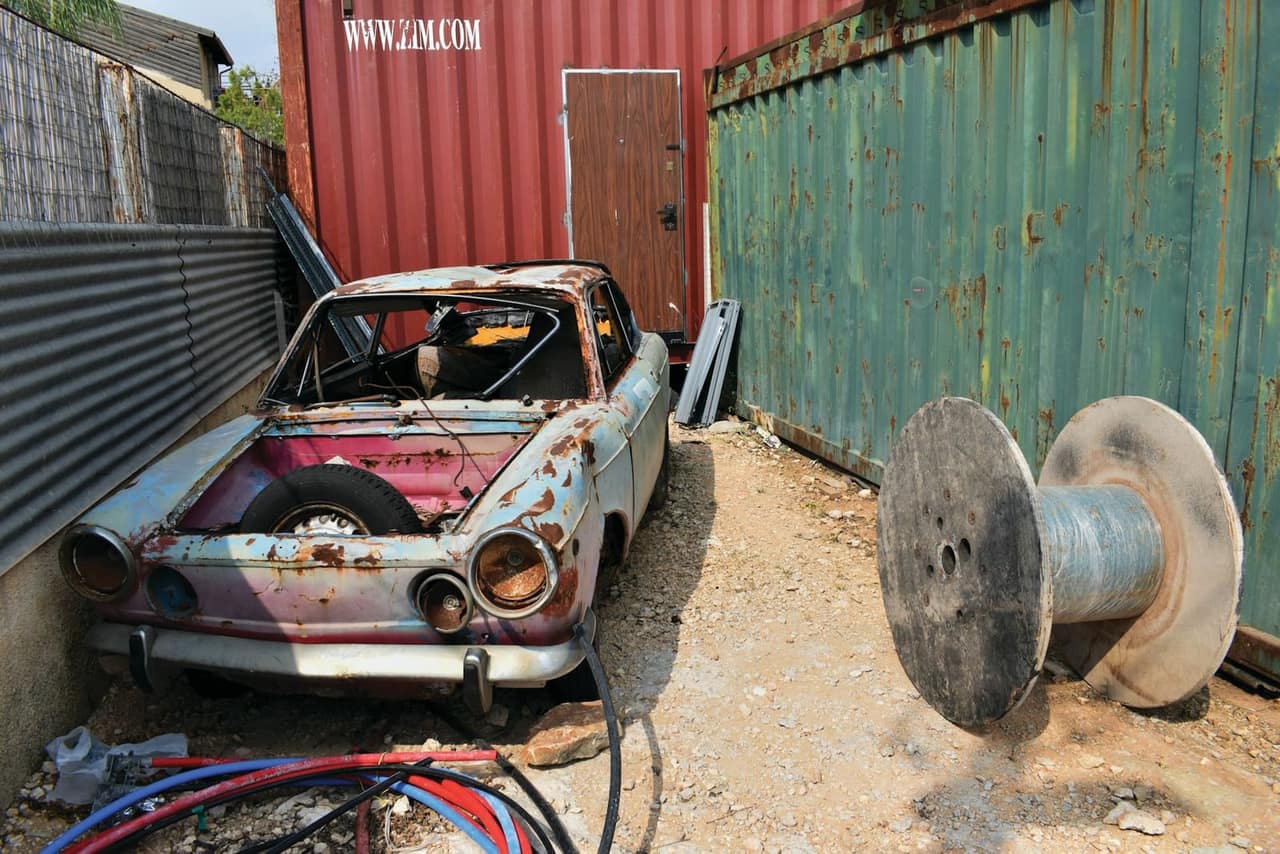
Which makes and models are most profitable
It does not pay to buy every vehicle for dismantling. Here are guidelines I have learned from people who have been doing this for years:
Most profitable: German mid-range and premium cars. BMW 3 Series and 5 Series, Mercedes C and E Class, Audi A4 and A6. Parts for these vehicles are expensive new, so demand for used parts is huge. Golf and Passat are also excellent because there are so many of them on the roads.
Good earnings: Popular Japanese and Korean vehicles. Toyota Corolla/Avensis, Honda Civic, Hyundai i30/Tucson, Kia Ceed/Sportage. Parts move easily because these vehicles are common.
Avoid: Exotic brands with few vehicles on the market (unless you have a specific buyer), very old vehicles with no demand, vehicles with heavy corrosion where the parts are unusable.
The golden rule: dismantle what people drive. Look at vehicle registration statistics and focus on the top 20 most popular models.
How to set prices
Pricing is an art. Overprice and you will not sell. Underprice and you work at a loss. Here is an approach that works:
- Check how much a new original part costs
- Check how much a new aftermarket part costs
- Look at what others charge for the same used part
- Your price should be 30 to 50% of the price of a new original part, depending on condition and demand
Some parts are always in demand and you can charge a higher price: electronics (ECU, navigation units, instrument clusters), body parts for newer models, engines and gearboxes. Other parts sell more slowly and you need to be more competitive on price: interior parts, generic plastic parts, components for outdated models.
Marketing and sales
You can have the best parts in the world, but if nobody knows about you, you will not sell a thing. Here are the channels that work for selling used parts:
Online classifieds - Njuškalo, Facebook Marketplace, bolha.com (for the Slovenian market). Free or cheap advertising, wide visibility.
Facebook groups - There are groups for almost every car brand. "BMW parts Croatia", "VW parts", and so on. Direct access to a targeted audience.
Used parts platforms - Such as our PoDi. Register as a supplier and receive requests directly from buyers searching for specific parts.
Cooperation with workshops - Local auto workshops are your best allies. When they have a customer who needs a part but new is too expensive, they will recommend you. Build relationships with mechanics in your area.
Google ads - For those ready to invest in marketing. Target specific queries such as "used BMW E90 engine" or "Golf 5 gearbox price".
Storage and organisation
This is an aspect many people underestimate, and one that can make the difference between a profitable business and chaos. You have to know what you have, where it is and what condition it is in. Without organisation, you waste time looking for parts, you forget what you have, and you end up selling below value because you do not know what your inventory is worth.
Invest in simple inventory management software. It does not have to be anything complicated. Even an Excel sheet is better than nothing. Note down every part: make, model, year, part name, OEM number (if you know it), condition, price, location in storage.
Organise the space by make or by part type. Use shelving with labels. Photograph every part. That helps with sales because buyers want to see what they are buying.
Common beginner mistakes
To save you time and money, here are the mistakes I see with people just starting out in this business:
- Buying overpriced vehicles for dismantling - Do not get emotionally attached to a car. You are buying it for parts, not for driving. If the price is too high to make money on the parts, walk away.
- Lack of specialisation - It is better to be an expert in 5 brands than to have a little of everything. Specialisation gives you knowledge, reputation and repeat customers.
- Neglecting online presence - In 2025, if you are not online, you do not exist. At least set up profiles on the main classifieds and social networks.
- Not checking parts - Never sell a part you are not sure works. One bad sale can destroy your reputation faster than you built it.
- Ignoring regulations - Working off the books is cheaper in the short term, but in the long run you risk fines, business closure and legal trouble.
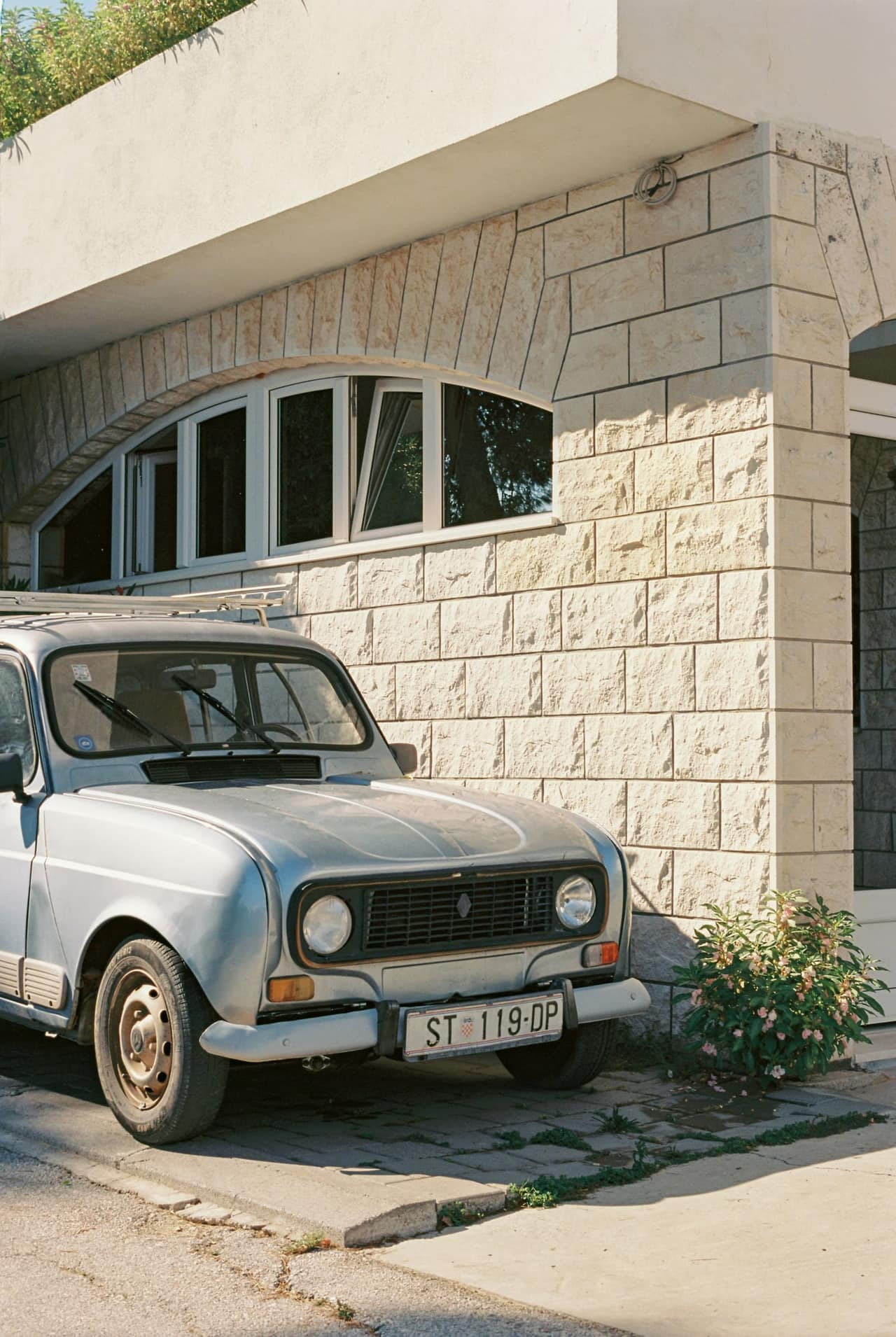
How much you can earn
Be realistic. The first months will be hard. You need to build inventory, learn the business, find buyers and suppliers. But once the business is up and running, the numbers can be interesting.
A smaller online intermediary can earn 1,000 to 3,000 euros a month net, doing it as a side job. A more serious scrapyard with a steady flow of vehicles and good organisation can generate 5,000 to 15,000 euros a month gross. Big, established scrapyards with prime locations and reputations earn even more.
But remember, this is not a get-rich-quick scheme. This is a serious business that requires work, knowledge and patience. If you are ready for that, the potential is very much there.
First steps before registration
If you love cars, if you are willing to learn, if you do not mind dirty hands and if you have an entrepreneurial spirit, the used parts business can be a great career or an additional income stream. The market is growing, demand is constant, and the environmental angle (recycling parts instead of making new ones) gives this business a deeper meaning.
Start small, learn from experience, build a reputation and expand when you are ready. And if you need a partner for selling or sourcing parts, get in touch on the PoDi platform. We are here to help.