
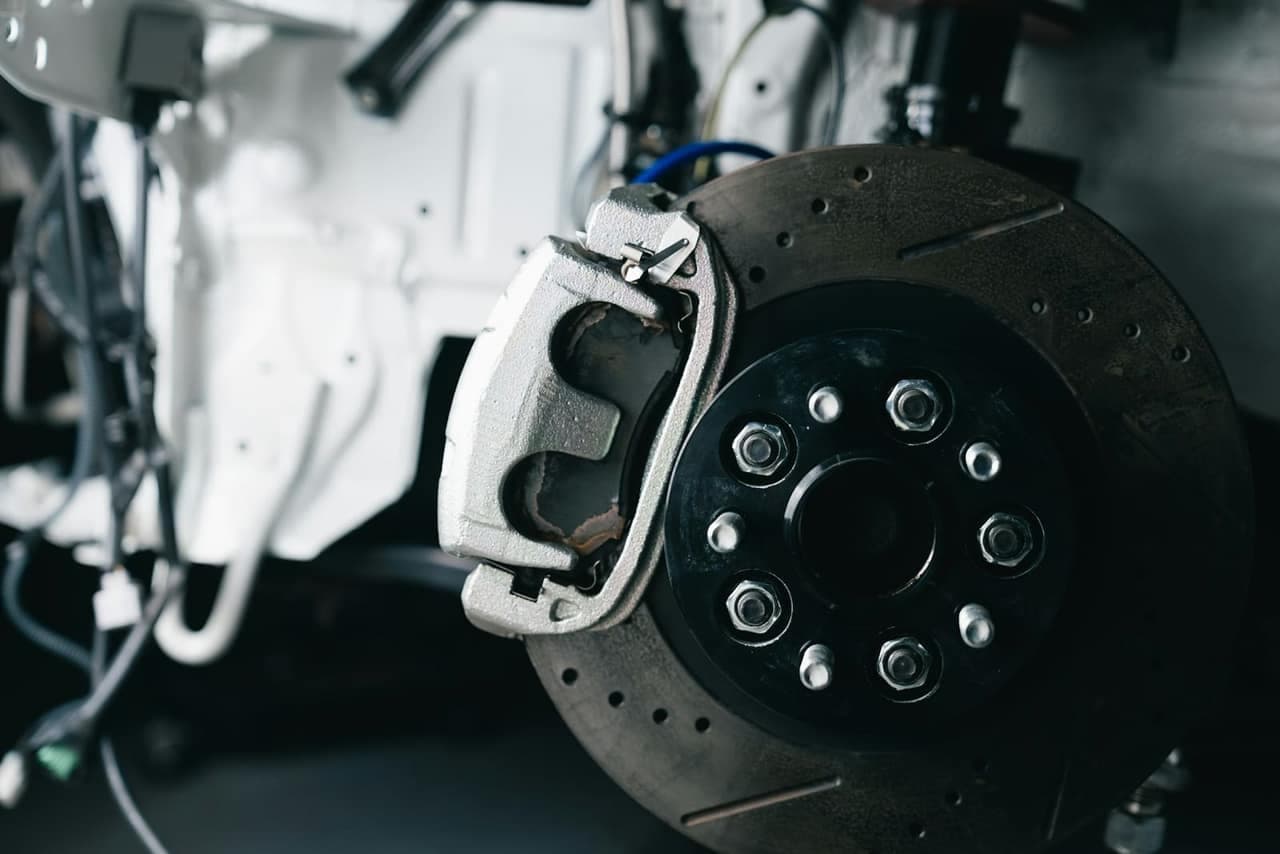
Tie rods and ball joints: small parts that keep your car on the road
Steering tie rods and suspension ball joints fall into the group of parts most drivers cannot even name, let alone find on the car. But these small joints are absolutely critical for steering and the safety of your vehicle. They link the wheels to the rest of the suspension and steering system, letting you turn when you move the wheel and keeping the wheels in the right position while you drive.
When a tie rod or ball joint wears out, the consequences can range from mild (the wheel shakes, the car pulls to one side) to catastrophic (loss of control of the vehicle). And that is exactly why buying used tie rods and ball joints is a topic that calls for a careful approach. It is not all black and white, so let's break down the different sides of this story.
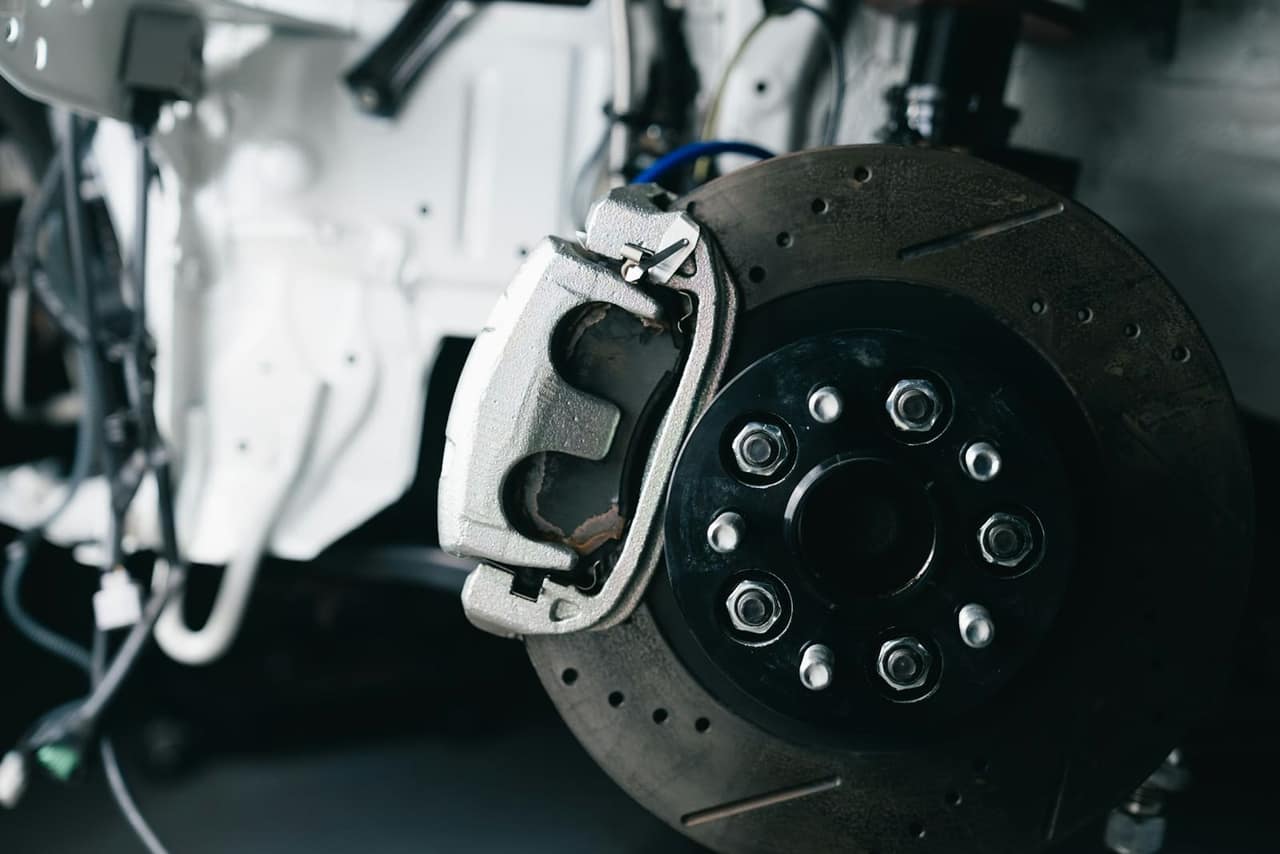
Understanding: what are tie rods, and what are ball joints
Before we get into the detail of buying used parts, we need to clear up the terminology because these terms often get mixed up.
Steering tie rods
Steering tie rods are the bars that link the steering rack to the wheels. They consist of an inner tie rod (which attaches to the rack) and an outer tie rod, also known as a "tie rod end" (which attaches to the wheel knuckle). Between them sits an adjustable rod that lets you set the wheel alignment (toe-in/toe-out).
The tie rod end has a ball joint on the top that allows movement in several directions. That joint is protected by a rubber boot that keeps grease inside and stops dirt getting in. Once the boot splits, the joint wears out quickly.
Suspension ball joints
Suspension ball joints are spherical joints that link the suspension arms to the wheel knuckle. They let the wheel move up and down (over bumps) and left and right (when steering) at the same time. Most cars have at least one ball joint per wheel, and many have two or more.
Suspension ball joints carry huge loads because they hold part of the vehicle's weight, while still allowing smooth turning. That makes them one of the most heavily loaded parts of the suspension.
Signs of worn tie rods and ball joints
Worn joints on tie rods and ball joints give fairly clear signals, if you know what to look for:
- Knocking when crossing bumps - especially noticeable at low speeds, such as driving over speed humps or tram tracks
- The wheel has "dead play" - you turn the wheel a small amount but nothing happens before the wheels start to react
- The car pulls to one side - a worn tie rod changes the wheel alignment
- Uneven tyre wear - especially on the inner or outer edge of the tyre
- Vibrations in the steering wheel - especially at certain speeds
- Squeaking when turning the steering wheel - a dry joint without grease
- Instability under braking - the car "wallows" when braking from higher speeds
If you notice any of these symptoms, do not put off an inspection. A fully worn ball joint can come apart while you drive, leading to total loss of control of the wheel. That is a scenario you do not want to experience, especially on the motorway.
Used tie rods and ball joints: a realistic look at the situation
Let us be completely honest: tie rods and ball joints sit among the parts where buying used is risky. The reason is simple. These parts are under constant load, exposed to water, mud, salt and dirt, and wear out relatively fast. The average life of a ball joint is 80,000 to 120,000 km, and steering tie rods last about the same or slightly longer.
That means a used tie rod or ball joint with 60,000 km on it may have only 30 to 40 percent of its life left. Is that enough? For some drivers yes, for others no.
When buying used CAN make sense
If you have an older car that is not worth much and you need to pass a technical inspection, used tie rods and ball joints in good condition can be a solution. The key is the phrase "in good condition". Likewise, if you need specific parts for a rare car model that is no longer made new, used parts are the only option.
There are also cases where you can get parts from a scrapyard that came off a car that was lightly driven or was in a crash on the opposite side from the part you need. A ball joint from a car that has done 20,000 km and was in a rear-end shunt is practically new.
When buying used does NOT make sense
For an everyday car you drive often, new aftermarket parts are so cheap that buying used has no economic logic. A new ball joint for a VW Golf costs from 15 to 35 euros (aftermarket), while a used one runs from 10 to 20 euros. A difference of 5 to 15 euros does not justify the risk of fitting a part of unknown condition.
Similarly, a new tie rod end for most popular models costs 10 to 25 euros. At those prices, buying used is an unnecessary risk.
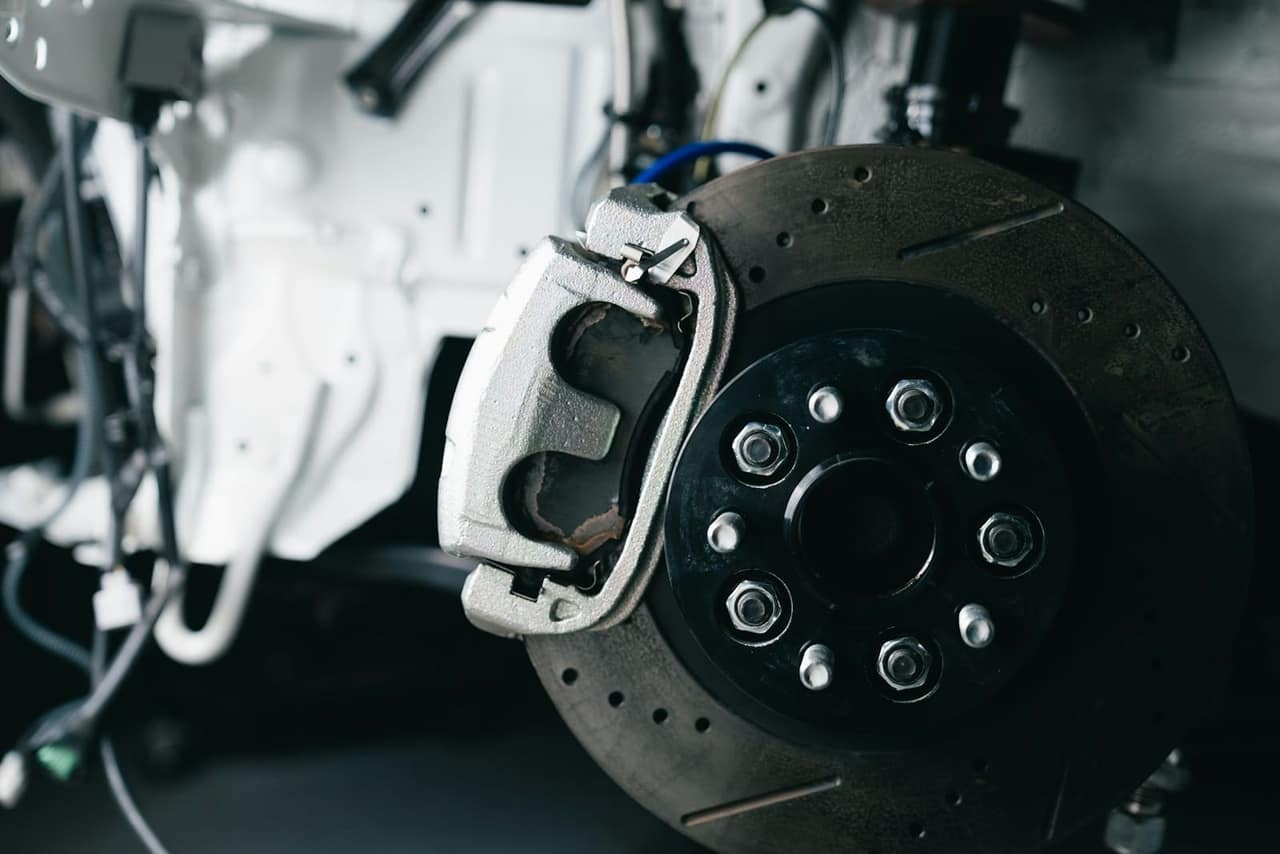
How to check the condition of a used tie rod or ball joint
If you have still decided to buy used, here is how to check the condition:
Checking the boot
The boot (the rubber cover on the joint) must be completely intact. No cracks, no holes, no signs of drying out. If the boot is damaged, the joint has been exposed to dirt and water, and its life is drastically shortened, even if it was lightly used.
Checking for play
Grab the tie rod or ball joint and try to move it in every direction. The joint should have a smooth, controlled motion without any dead play or looseness. If you feel a "click" or any looseness, the part is worn out.
Checking for corrosion
Surface rust on the metal parts is normal and acceptable. But heavy corrosion on the taper (the cone-shaped part that goes into the wheel knuckle) can cause problems during fitting or even fail under load.
Checking the threads
On steering tie rods, check the condition of the threads on the adjustable rod. Damaged threads make it impossible to set the wheel alignment properly.
Prices: used vs new aftermarket vs OEM
Here is a price comparison for the most common models:
- Tie rod end - used 8-20 EUR, new aftermarket 12-30 EUR, OEM new 25-60 EUR
- Inner tie rod - used 10-25 EUR, new aftermarket 15-35 EUR, OEM new 30-70 EUR
- Ball joint - used 10-30 EUR, new aftermarket 15-40 EUR, OEM new 30-80 EUR
- Tie rod set (pair) - used 25-50 EUR, new aftermarket 30-60 EUR, OEM new 60-120 EUR
As you can see, the gap between used and new aftermarket parts is small. Unlike shocks or springs, where the saving can run into hundreds of euros, with tie rods and ball joints we are talking about a difference of 10 to 20 euros per piece. That is why for these parts we usually suggest new aftermarket parts rather than used.
Fitting and alignment
Replacing tie rods and ball joints is a fairly simple job for an experienced mechanic. It typically takes 30 to 60 minutes per side and costs 30 to 60 euros in labour. But here is the key point many people forget: after replacing any part of the steering system, a wheel alignment is mandatory.
Alignment costs 30 to 50 euros and makes sure the wheels are aligned correctly. Without alignment, the tyres will wear unevenly and the car may pull to one side. Saving a few euros on used parts makes no sense if bad alignment is going to destroy a set of 400 euro tyres in a couple of months.
Replacement tip
When you replace tie rods or ball joints, always replace both sides (left and right). If one side is worn, the other is probably close. Plus, different tie rods on the left and right can cause uneven behaviour of the car.
Also take the chance to check the other suspension parts while the car is on the lift. Steering rack boots, anti-roll bars, control arms and wheel bearings can all be checked at the same time without any extra cost.
How often you need to replace tie rods and ball joints
There is no fixed replacement interval because wear depends on many factors: the quality of the roads you drive, your driving style, the climate (road salt accelerates corrosion), and the quality of the original parts.
As a rough guide:
- Ball joints: 80,000-120,000 km or 6-8 years
- Tie rod ends: 80,000-130,000 km or 6-8 years
- Inner tie rods: 100,000-150,000 km or 8-10 years
A regular suspension inspection (once a year or every 20,000 km) will catch problems before they become dangerous. Most mechanics check the suspension during a routine service, but it does not hurt to specifically ask for an inspection if the car has higher mileage.
Find the right parts for your car
Whether you decide on used or new parts, what matters is getting exactly the right part for your car model. Tie rods and ball joints vary in size, threads and shape even between different model years of the same car.
On the PoDi platform you can send a request for tie rods, ball joints or any other suspension parts. Provide the exact model, year, engine type and ideally the VIN, and we connect you with suppliers who can offer parts that reliably fit your vehicle. That is the safest way to avoid buying the wrong part.