
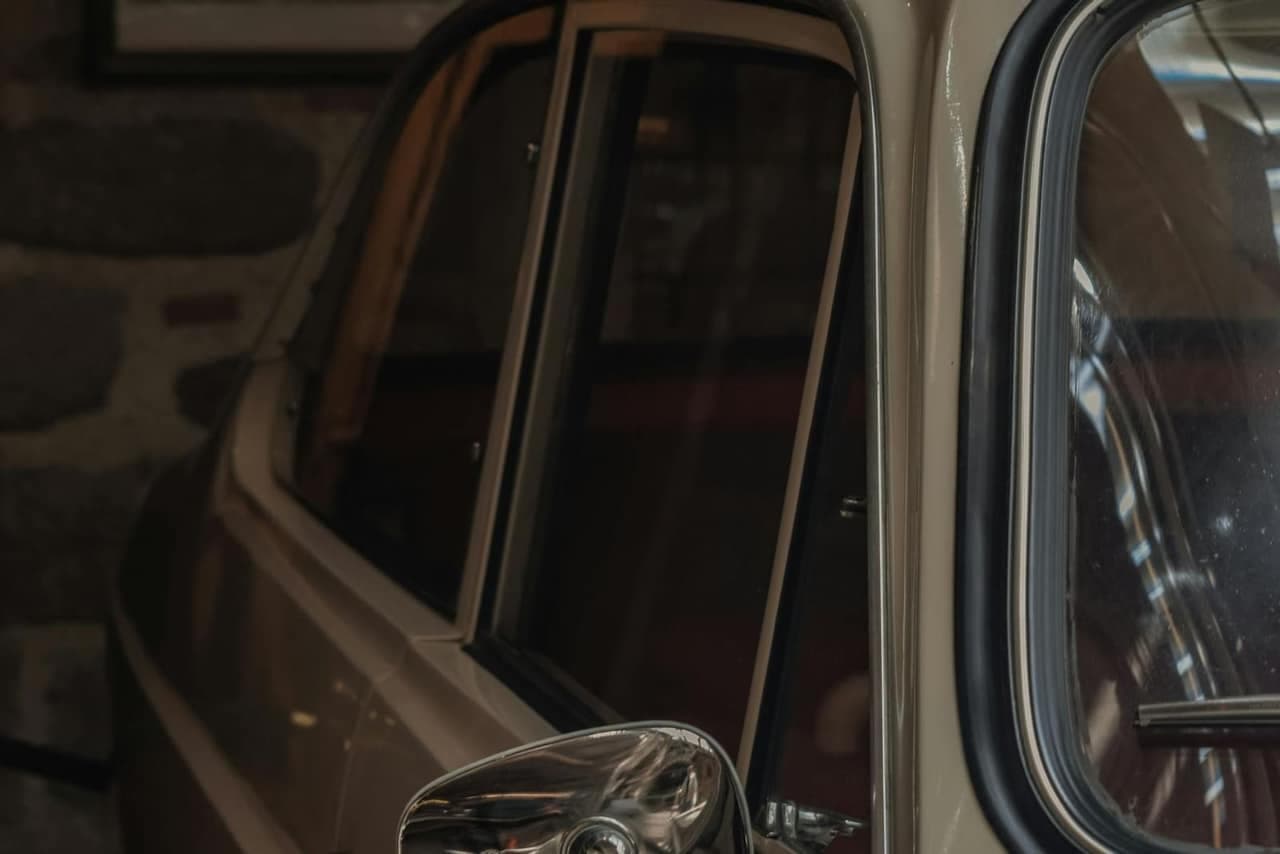
The love for old cars never dies
There is something special about seeing a perfectly restored Mercedes W123, a shiny VW Beetle from the sixties or a Fiat 500 that looks like it just rolled out of the factory. Classic cars are not just cars. They are a piece of history, a work of art on wheels, and a passion that connects people around the world.
But every classic car owner knows one harsh truth: finding parts is half the job. Factories stopped producing most of these components long ago, authorised dealers do not know what to do with your car, and generic aftermarket parts often do not exist for vehicles that are 40, 50 years old or more.
That is why used original parts are gold to every classic car enthusiast. Every scrapyard, every garage, every fair may hide exactly the part you have been searching for months. Let's map out that world, where to look, how to check authenticity and how much you can realistically expect to pay.
What makes a classic special when it comes to parts
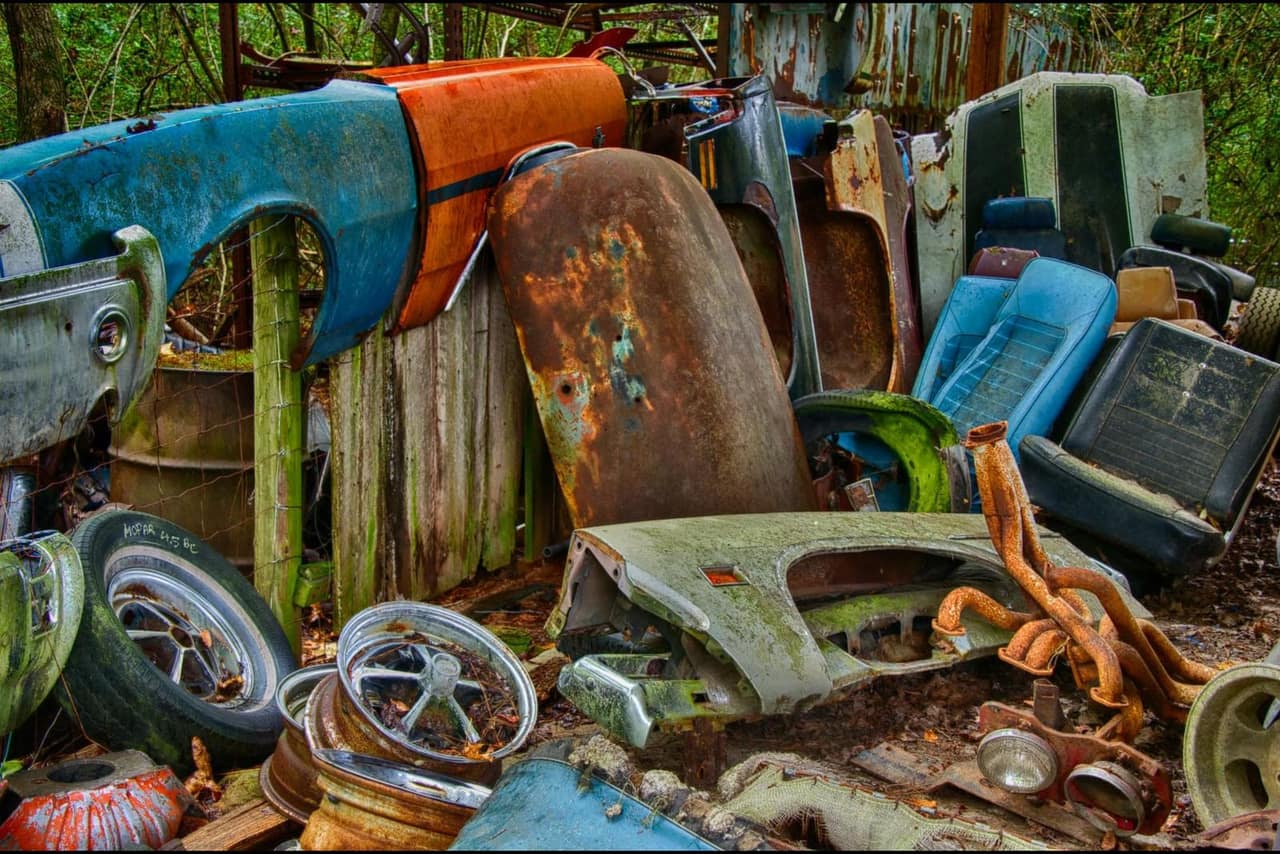
Parts for classic cars differ from parts for modern vehicles in a few key ways, and understanding those differences is the first thing you need to master.
Originality is everything. With a modern car, an aftermarket bumper of the same quality is perfectly acceptable. With a classic, an original part can be worth 10 times more than a reproduction. Why? Because authenticity affects the value of the vehicle. A classic with all-original parts is worth significantly more than one with reproductions, especially at competitions and shows.
Rarity dictates price. For a Golf 5 you can find hundreds of alternatives for every part. For a 1965 Citroën DS or a 1950s Porsche 356? There may be one on the entire market, and the price is whatever the seller says. Supply and demand in their purest form.
The quality of older parts. Interestingly, many parts from the sixties and seventies were made with greater tolerances and thicker material than their modern equivalents. A metal bumper from a Mercedes W108 is almost indestructible compared with the plastic bumpers of today's cars. That means used parts for classic cars can be in surprisingly good condition even after decades.
The most popular classics in Croatia and their parts availability
Here is an overview of the most popular classics on our market and how easy (or hard) it is to find parts for them:
Volkswagen Beetle (Käfer)
The most-produced car in history. Over 21 million units means there really is no shortage of parts. There are specialist companies that make almost every Beetle part, and used original parts regularly turn up at fairs and online. Availability: excellent.
Fiat 500 (original)
An icon of Italian design. There is a huge community and industry around this little car in Italy, so parts can be sourced relatively easily, especially if you have contacts there. In Croatia the supply is smaller, but via the internet almost anything can be found. Availability: good.
Mercedes-Benz W123 and W124
Perhaps the most common classics on our roads. The W123 (1976-1985) and W124 (1984-1997) were extremely popular, and their legendary durability means many are still on the road. Plenty of parts, both original and aftermarket. Availability: very good.
BMW E30
The cult BMW 3 Series of the eighties. Its popularity is rising, prices are going up, and with them demand for parts. Parts are available, but specific bits for the sport versions (325is, M3) can be expensive and hard to find. Availability: good.
Zastava 750 (Fićo)
Our domestic classic. The Fićo is a special case because it is based on the Fiat 600, so many parts come from Italy. There is an active community in Croatia and Serbia of people who specialise in these vehicles. Availability: moderate to good, depending on the part.
Citroën 2CV
A French classic with a huge fan base. Reproductions of almost every part are made in France. Availability in Croatia: moderate, but online sourcing from France works well.
Where to look for classic car parts
Finding parts for classics requires a different approach from searching for parts for modern cars. Here are the first five places you should look:
1. Classic car and parts fairs
This is the traditional and still one of the best ways. At fairs you can see the part in person, talk to the seller, find out the history of the part. There are several fairs a year in Croatia, and the biggest fairs in the region are in Austria (Graz), Italy (Padova) and Germany (Techno Classica Essen). It is worth going at least once a year to a bigger fair because you will find things you would never see online.
2. Specialist online sellers
For popular classics there are web shops that sell only parts for that model or brand. For example, for the VW Beetle there are dozens of online shops with thousands of parts in stock. The same goes for the Mercedes W123. A Google search for "[your model] parts shop" will reveal these sources.
3. Online communities and forums
Forums like oldtimer-forum.de, thesamba.com (for VW), benzworld.org (for Mercedes) and many others are priceless resources. Members often sell parts to each other, and they can also point you to sources for specific components. In Croatia, Facebook groups like "Oldtimer Hrvatska" are active and helpful.
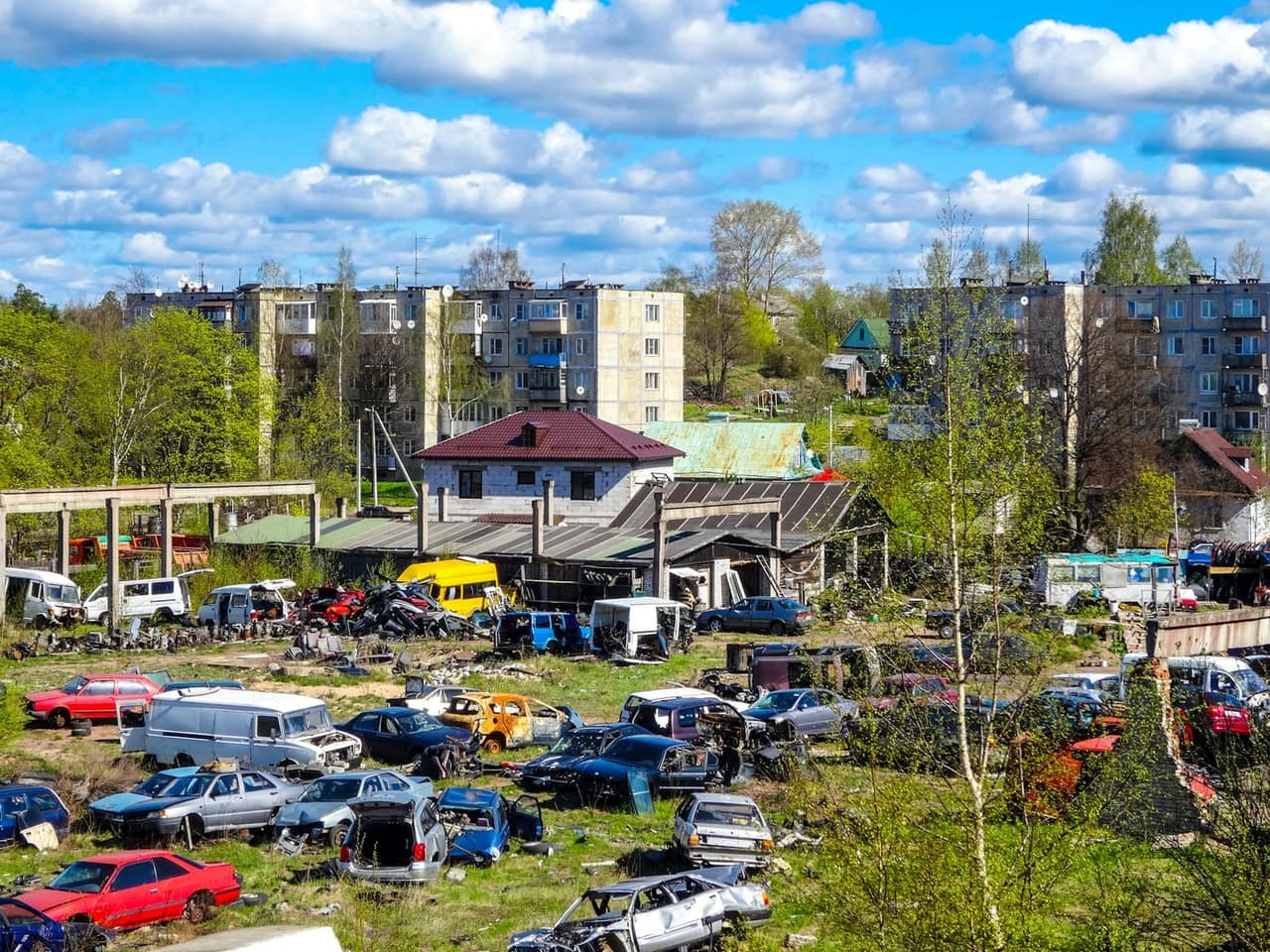
4. Classic-friendly scrapyards
Some scrapyards specialise in older vehicles or at least have a section with classic car parts. Visit local yards and ask if they have older vehicles. Sometimes you will find real treasure hidden behind a pile of modern cars.
5. Private collections and garages
In every town there is "that guy" who has a garage full of old parts. Ask at the local car club, at fairs or at workshops that work on classics. Networking is the key in this hobby.
How to check the authenticity of parts
When you buy parts for a classic, authenticity is critical. Here is how to check whether you have an original or a reproduction:
- Manufacturer markings - Original parts have OEM manufacturer markings (Bosch, Hella, VDO, etc.) with the correct font, logo and format used in that period.
- Part numbers - Every original part has a number that can be verified in parts catalogues for that model. Online catalogues and parts number books are available for most popular classics.
- Material and workmanship - Original parts from the sixties and seventies often have a characteristic way of being made that differs from modern reproductions. An experienced eye can spot the difference.
- Date codes - Many parts (especially electrical components, glass and tyres) have date codes. A part with a date from the correct period is almost certainly original.
- Patina - An original 50-year-old part has a distinctive patina that is hard to fake. If a part looks "too old" or "too new" for its claimed age, be cautious.
NOS parts: the holy grail of the classic car world
NOS stands for "New Old Stock", meaning new, unused parts that were produced in the original period but never installed. Picture a new air filter for a Mercedes W123 in its original box from 1980. That is a NOS part and to collectors it is worth significantly more than any used or reproduction part.
NOS parts appear when old auto parts shops close, when warehouses are cleared, or when someone finds forgotten stock. Prices can be high, but for a serious restoration aiming for maximum authenticity, NOS parts are priceless.
Reproductions: when they are acceptable
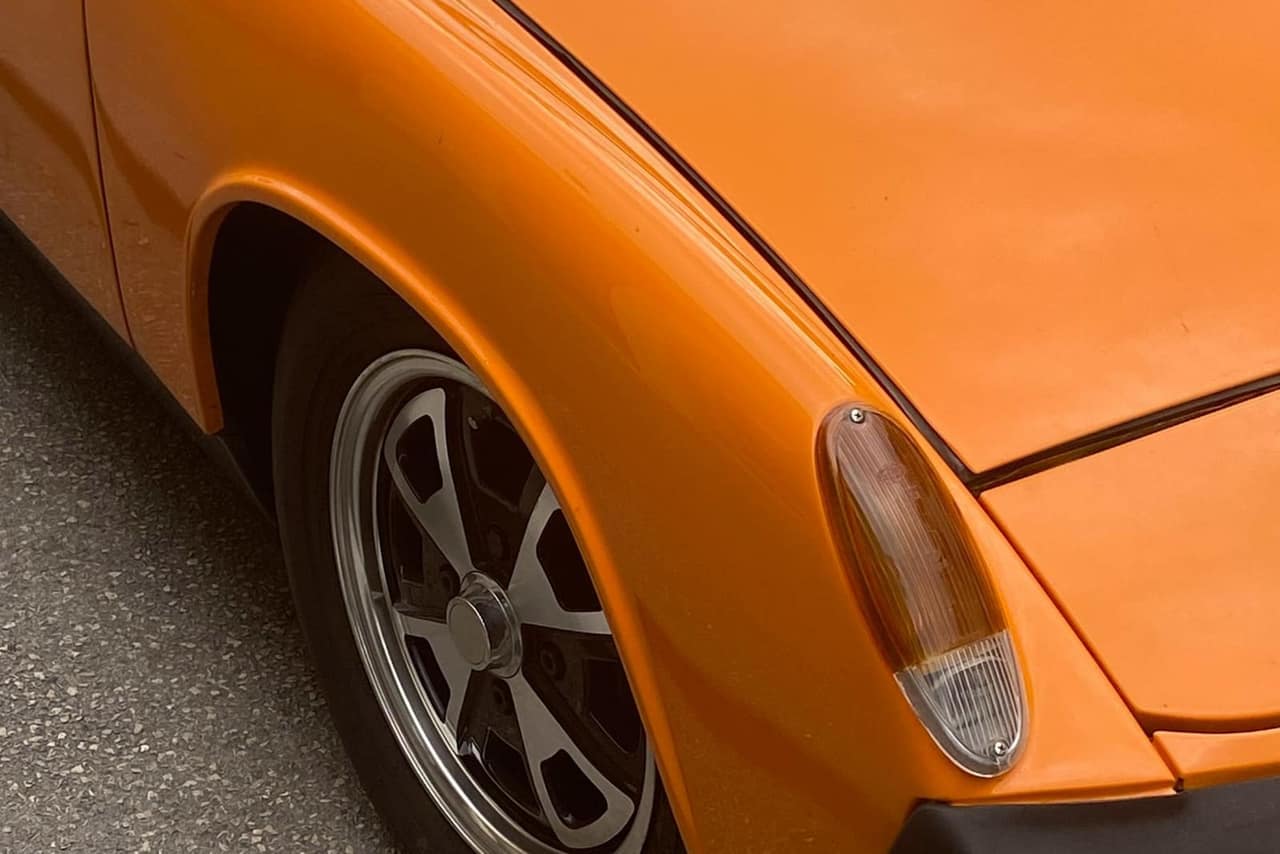
You do not have to be a purist. For many parts, a quality reproduction is perfectly acceptable, especially for wear parts (gaskets, rubber parts, bearings) or for components that are not visible (mechanical parts inside the engine or gearbox).
For visible parts that define the character of the vehicle (bumpers, badges, instruments, lights), original or NOS parts are preferred, especially if you plan to show the car at competitions or sell it as a restored classic.
How much do classic car parts cost
Be ready for sticker shock. Parts for classics do not follow the same pricing logic as parts for modern cars. A part for a 50-year-old car can cost more than the equivalent part for a new car. Why? Because it is rare, because it is in demand, and because buyers are willing to pay for authenticity.
A few examples of real prices:
- Original bumper for a VW Beetle: 100 to 300 EUR (depending on condition and year)
- Instrument cluster for a Mercedes W123: 150 to 500 EUR
- Complete engine for a Fiat 500: 500 to 2,000 EUR
- Original seats for a BMW E30: 200 to 800 EUR per piece
- NOS headlight for a Zastava 101: 50 to 150 EUR
In general, budget 30 to 50% more than you would expect for parts for a modern vehicle of similar complexity.
Tips for a successful restoration
To finish, here are a few practical tips from experienced restorers:
- Start sourcing parts before you start dismantling. There is nothing worse than a stripped car and parts you cannot find.
- Keep a detailed list of every part you need, with numbers and photos.
- Be patient. The right part will turn up, but maybe not today or tomorrow.
- Build contacts in the classic car community. Connections are the most valuable resource in this hobby.
- When you find a rare part at a good price, buy it straight away. It will not be there tomorrow.
- Photograph everything before dismantling. Details that seem obvious today will not be obvious in six months when you put it all back together.
Restoring a classic is a marathon, not a sprint. But the end result, driving a perfectly restored classic, is priceless. And for all the parts you need on that journey, send a request on the PoDi platform and see what our network can offer.