
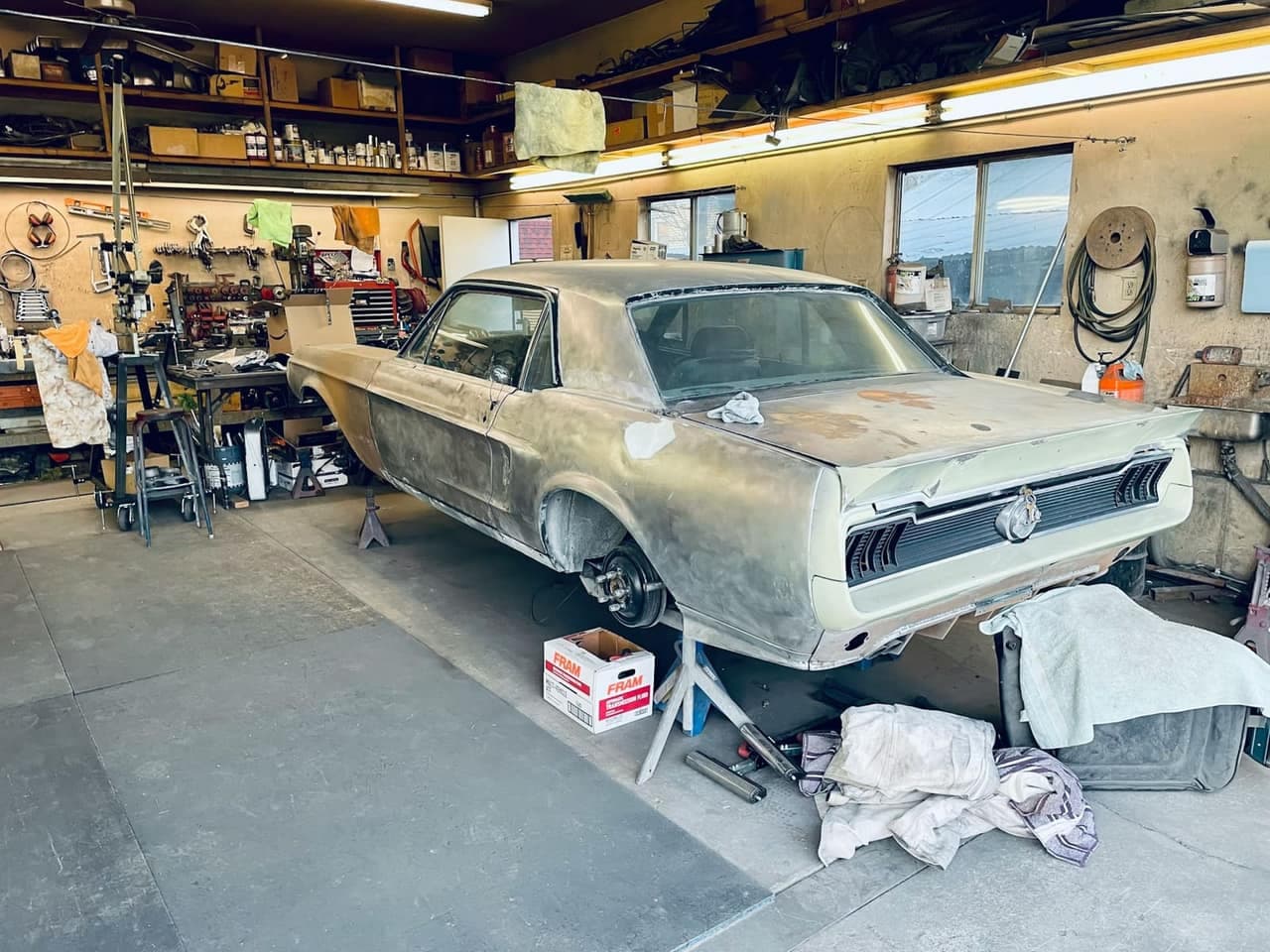
Your old car is a gold mine you are not using
Got a car you no longer drive? Or did you replace a part and the old one sits in the garage? Maybe you bought a car for parts or simply have surplus parts after some project? Whatever the situation, used car parts have value and someone is looking for them somewhere right now.
Selling used parts can be an excellent source of income, whether as a one-off or as a regular business. People who deal in buying and selling used parts earn decently because demand is constant and large. But even if you just want to sell a few parts from the garage, this guide will help you do it quickly, simply and at the best possible price.
In what follows we will go through every step of the process: from preparing parts for sale, through pricing and photography, to choosing a platform and legal aspects. Let's get into it.
Which parts sell best?
The first question to ask yourself is: which parts actually have market value? The answer is: almost all, but some sell faster and at better prices than others.
Parts with the highest value:
- Engines and gearboxes are the most expensive used parts. A complete engine for a popular model can sell for EUR 500 to 2000, depending on condition and mileage. Gearboxes go from EUR 200 to 800.
- Turbochargers are extremely sought-after and hold their price. A working used turbocharger for popular diesels sells for EUR 150 to 400.
- Headlights, especially xenon and LED, hold a high price. A complete original headlight for a newer model can go from EUR 100 to 500 used.
- Infotainment systems and navigation are expensive new and constantly sought used. Prices from EUR 100 to 600 for popular systems.
- Airbag systems (steering wheel airbag, side airbags, sensors) are extremely expensive new and sought-after used. Caution: selling airbags has legal restrictions in some countries.
Parts that sell fastest:
- Bumpers, especially in popular colours, sell very quickly because demand is constant.
- Mirrors are small, easy to ship and constantly in demand.
- Alternators and starters have constant demand.
- Instrument clusters and switches for popular models.
- Glass (windscreen, side) is sought after but fragile for transport.
Parts with lower value but constant demand:
- Plastic interior trim
- Handles and locks
- Small electric motors (window lifters, wipers)
- Cables and connectors
- Various covers and trim strips
How to set the right price?
Setting the price is the most important step in selling. Overprice the part and no one will buy it. Underprice it and you lose money. Here is how to arrive at the right price:
1. Research the market. Before you set a price, look at what the same or similar part sells for on classifieds, eBay and specialist platforms. Write down the price range and take the middle as a starting point.
2. Consider the condition of the part. A part in excellent condition can go at the top of the price range. A part with visible signs of use goes in the middle. A part that requires reconditioning or small repairs goes at the bottom.
3. Think about model popularity. Parts for VW Golf, Passat, Opel Astra or BMW 3 Series sell faster because more people are looking for them. For rarer models you may need to drop the price a little to attract a buyer or be patient.
4. Factor in delivery costs. If you plan to ship the part by post, think about who bears delivery costs. Many buyers prefer the "price with delivery included" option because they can see the total. If you offer free delivery, include that cost in the part price.
5. Leave room for negotiation. Most buyers will try to lower the price. If your minimum acceptable price is EUR 100, list it at EUR 120. That gives you room for a discount and the buyer feels they got a good deal.
Photographing parts - the key to successful selling
Photo quality directly affects how fast it sells and the price you can get. Bad photos signal unprofessionalism and reduce buyer trust. Here is how to take good photos of car parts:
Use good lighting. Natural daylight is best. Photograph outside on an overcast day or in a well-lit room. Avoid direct sun because it creates harsh shadows and glare.
Use a neutral background. White or grey is ideal. If you do not have a professional backdrop, a white wall or even a white sheet on the floor works fine. The goal is for the part to be in focus, not the surroundings.
Photograph from multiple angles. At least 4-5 photos: front, back, sides and details. If the part has damage, photograph the damage too because transparency builds trust.
Show the OEM number. If the OEM number is visible on the part, photograph it close up. That immediately tells the buyer the part is original and allows compatibility checks.
Photograph with a tape measure or a familiar object. For smaller parts, place something of known dimensions next to it (matchbox, pen) so the buyer gets a sense of size.

Where to sell used parts?
The choice of sales platform depends on what you are selling, how many parts you have and how much time you are willing to invest in the sales process.
Online classifieds
Classic classifieds are still a popular channel for selling used parts in the region. The advantage is that they are free (or very cheap) to post on, have a large user base and are easy to use.
The downside is that you are responsible for buyer communication, arranging delivery and solving any problems. Also, classifieds attract plenty of haggling and "tyre-kickers" who ask about price with no real intention to buy.
Facebook groups
There are many Facebook groups dedicated to selling car parts in the region. Some are general, some are specialised for specific brands (e.g. "VW parts Croatia", "BMW parts HR" and the like). The advantage is direct contact with the target audience, the downside is informality and lack of protection for sellers and buyers.
eBay and international platforms
If you have parts for popular models, eBay opens access to the European market for you. Especially for rare parts or models more popular in western Europe, eBay can be an excellent option. The downside is the commission (around 10-13%) and the need to arrange international delivery.
PoDi platform
PoDi connects used parts sellers with buyers who are actively looking for specific parts. The advantage is that you do not have to wait for someone to stumble on your ad, you get enquiries from buyers who are looking right now for the part you have. That means faster sales and less wasted time on serious-sounding buyers who never close.
Legal aspects of selling used parts
If you sell parts occasionally, as a private person, you do not need special permits or registrations. However, if you regularly sell parts and it becomes a source of income, you must think about legal and tax aspects.
Sole trader or company: If you regularly buy and sell car parts, the tax office may treat that as a business activity. In that case you need to register as a sole trader or company and pay income or profit tax. The line between "occasional sale" and "regular activity" is not precisely defined, but if you sell more than 10 or so parts a month, it is advisable to consult an accountant.
Warranty: If you sell as a private person, you are not obliged to give a warranty. If you sell as a trader (sole trader/company), the law obliges you to give a warranty on the goods sold.
Liability: If you sell a faulty part that causes damage, you may be liable. That is why it is important to be honest about the condition of the part and any defects. Transparency protects you from legal problems.
Parts with a VIN: Some parts (engine, body, ECU) have identification markings linked to the vehicle. When selling such parts, it is advisable to have documentation of origin (purchase receipt, de-registration certificate and the like) to prove legal provenance.
Tips for faster and better selling
Here are a few extra tips that will help you sell parts faster and at a better price:
- Clean the part before photographing and selling. A dirty part looks worse than it is. Simple washing and wiping can significantly improve the impression and justify a higher price.
- Write a detailed description. List the make, model, year, OEM number, condition, mileage of the donor vehicle, and all relevant information. The more detailed the description, the fewer questions you will get and the more serious the buyers who reply.
- Reply quickly to enquiries. A buyer interested now may not be interested tomorrow. A quick reply boosts the chance of a sale.
- Offer bundles. If you have several parts for the same model, offer them as a bundle at a reduced price. Buyers love quantity discounts, and you clear out several parts at once.
- Be flexible with delivery. Offer several options: in-person collection, postal delivery, courier delivery. The more options you give the buyer, the better the chance of a sale.
- Use keywords in the ad title. List the make, model, type of part and condition. For example: "VW Golf 7 front bumper original, excellent condition" is a far better title than "Bumper for sale".
Selling a complete car for parts
If you have a car that is no longer worth repairing, selling for parts can bring in more money than selling the complete vehicle. A car worth EUR 500 as a whole can have parts totalling EUR 2000 to 3000.
Of course, dismantling a car takes time, tools and knowledge. If that is not for you, you can sell the car to a scrapyard or a person who deals with dismantling. The price will be lower than selling all the parts yourself, but you will save time and effort.
Before dismantling or selling for parts, be sure to de-register the vehicle. A car in your name, even if it is not driven, generates obligations (registration, insurance) and potential problems if it ends up in unauthorised hands.
If you have parts to sell or a car to dismantle, get in touch with PoDi. We will help you reach buyers quickly and simply.