
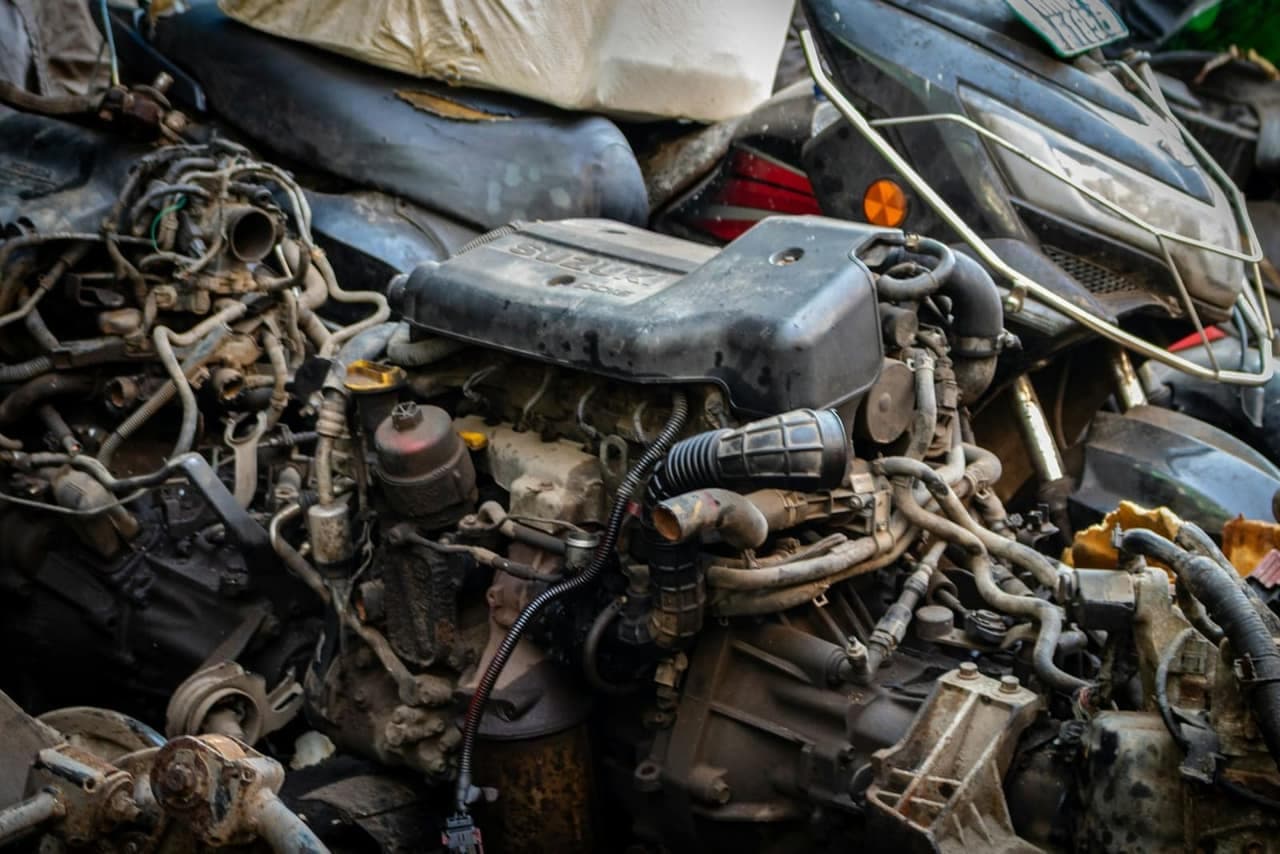
Finding the right part is like looking for a needle in a haystack
You know the feeling? You need a part for the car, but when you type in "water pump Golf 5" you get 47 different results and have no idea which one fits your car. Is your engine BKC or BXE? Is the pump with a metal or plastic housing? Has it got 6 or 8 bolts? And why does the same part cost 25 euros from one maker and 85 euros from another?
Systems like TecDoc and the concept of cross-reference exist precisely to solve this chaos. Let's break them down into concrete steps so you always find the right part, whether you are buying new or used.
What is TecDoc?
TecDoc is a European database that links car parts with vehicles. Think of it as a huge table that says which part goes on which car, with which engine, which year of production and in which variant. The database is maintained by TecAlliance and is used by almost all car shops and online parts shops in Europe.
When you go to a car shop and say "I need an oil filter for a Peugeot 308 1.6 HDi from 2012", the seller enters your details into the TecDoc system and gets a list of all compatible filters from different makers. Each filter has its TecDoc number (or article number), OEM number (number of the original part) and a list of vehicles it fits.
Why is TecDoc important for used parts?
When you buy a used part, the seller usually tells you which car it came off. But that does not necessarily mean the part will fit your car. Even the same model with the same engine can have different part variants depending on year of production, market (European vs. American model) or trim level.
TecDoc lets you check compatibility before buying. If you know the OEM number of the part you need and the OEM number of the part on sale, you can check whether they are compatible.
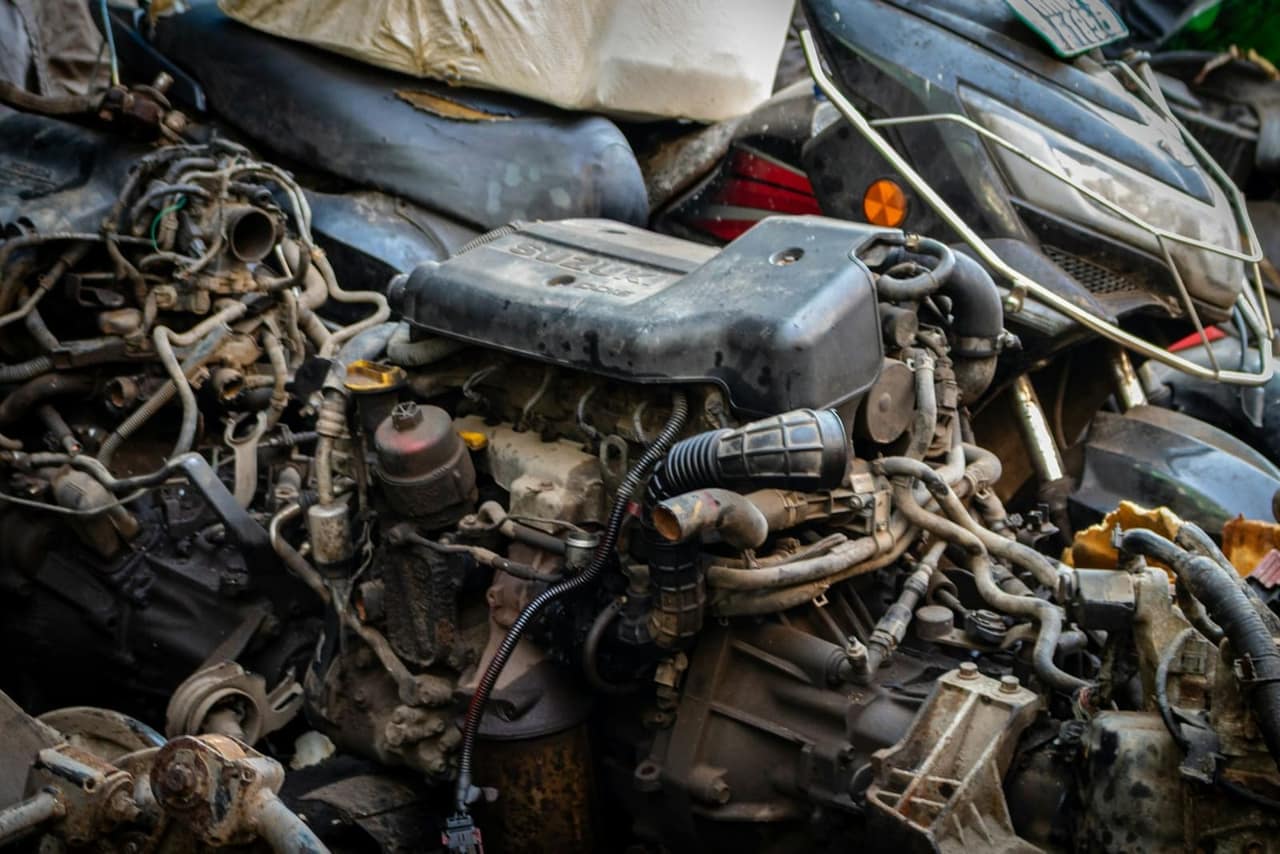
What is an OEM number and why is it so important?
OEM stands for Original Equipment Manufacturer. The OEM number is a unique identification number that the car maker assigns to each part. It is like a personal ID for car parts.
For example, VW/Audi uses a format like 03L 115 562 for an oil filter. This number is the same whether you buy the part at a VW dealer, in a car shop or used from someone. The number guarantees that it is exactly that part.
You can find the OEM number:
- On the part itself - often stamped or on a label
- In the service book - parts list with numbers
- In the ETKA or EPC system - electronic parts catalogue for your make
- Online - type in make, model, engine and part name
- At a shop - the mechanic can check the system
What is cross-reference?
Cross-reference is a system that links OEM numbers with aftermarket (replacement) maker numbers. Example: a VW oil filter with OEM number 03L 115 562 is also made by Mann, Mahle, Bosch, Filtron and others. Each of them has its own number for the same filter:
- Mann: HU 719/7 x
- Mahle: OX 188D
- Bosch: F 026 407 023
- Filtron: OE 682/2
All these filters do the same thing and fit in the same place. Cross-reference tells you these numbers are equivalent. That is immensely useful because:
- A used part may not have a VW label but has a Mann number that is equivalent
- You can find a cheaper alternative of the same quality
- You can check compatibility of parts from different makers
How to use TecDoc in practice
There are several ways to access the TecDoc database. Here are the most common:
Car shop online catalogues
Most online car shops (Autodoc, Rockauto and others) use the TecDoc database. You enter make, model, year and engine, and the system shows all compatible parts. This is the easiest way to use TecDoc because you do not need any special knowledge.
TecDoc web catalogue
At web.tecalliance.net you can access the TecDoc catalogue directly. The free version is limited but sufficient for basic compatibility checks. Enter a part number or pick a vehicle and a part category.
ETKA / EPC for specific makes
Every maker has its own electronic parts catalogue. VW/Audi has ETKA, BMW has ETK/EPC, Mercedes has EPC. These systems show exploded diagrams with OEM numbers for each part. They can be found online (some are free, some require a subscription).
Cross-reference websites
Sites like partsfinder.com, cross-references.net and similar let you enter one part number and show all equivalent numbers from other makers. Extremely useful when you have a number from a used part and want to check whether it fits your car.
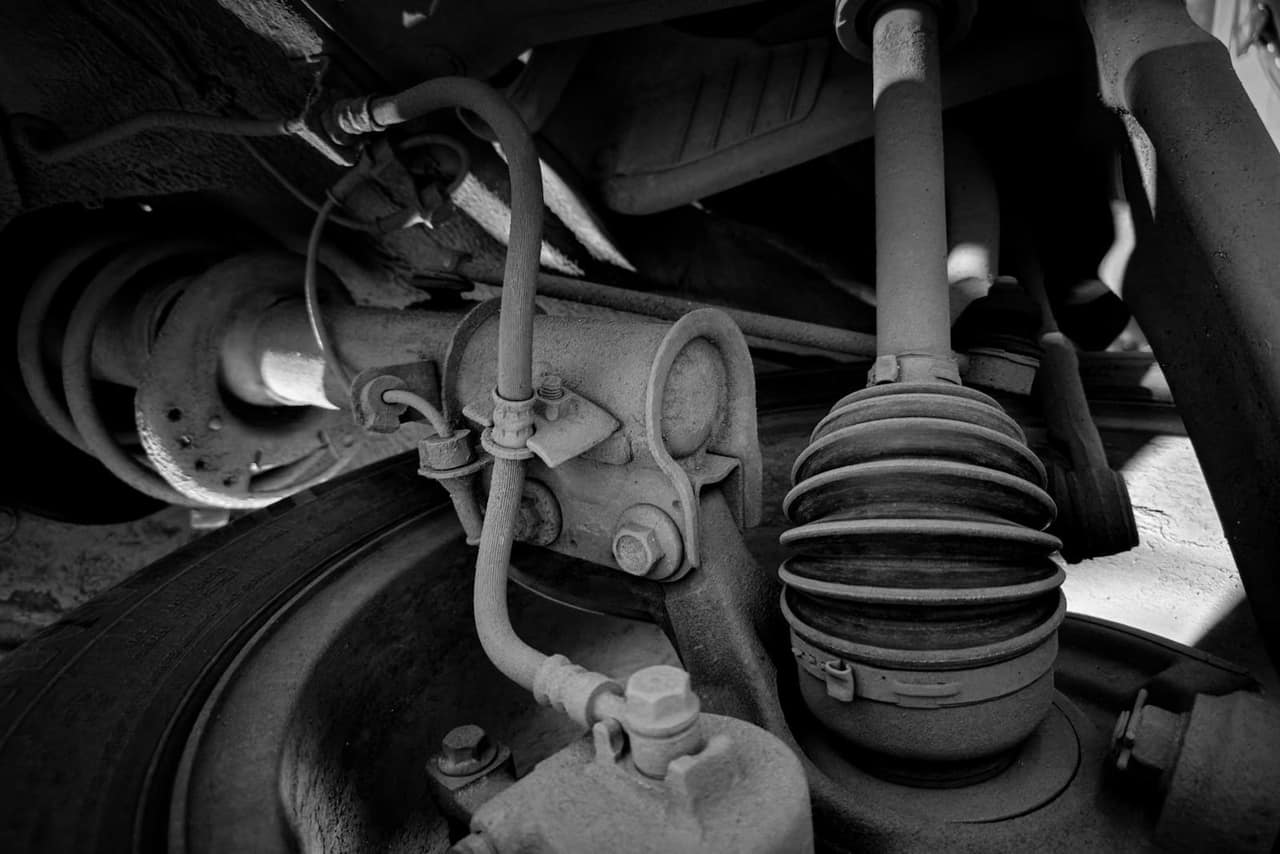
A practical example: finding a used part step by step
Let's say you need a water pump for a Škoda Octavia 2 with a 1.9 TDI engine (BXE, 2007). Here is how you would go about it:
Step 1: Find the OEM number
You go to an online catalogue (e.g. Autodoc), enter the vehicle details and find the water pump. You see that the OEM number is 038 121 011A (or variant 038 121 011C, depending on the sub-variant).
Step 2: Check the cross-reference
You enter the OEM number on a cross-reference site and get equivalent numbers: SKF VKPC 81623, INA 538 0089 10, Hepu P657, etc.
Step 3: Search for a used part
Now that you know the OEM number and all the equivalents, you can search for a used part with any of those numbers. On the PoDi platform you send a request with the OEM number and vehicle details, and we connect you with suppliers who send you offers for compatible parts.
Step 4: Verification
When you get an offer for a used part, check the number on the part. Compare it with your OEM number or the cross-reference list. If they match, the part is compatible.
Traps and common mistakes
Using TecDoc and cross-references is not always straightforward. Here is what to watch out for:
Same model, different parts
A Golf 5 with 1.9 TDI exists with BKC, BXE, BLS and BRU engines. Some parts are the same across all variants, but some are not. Always check the engine code, not just the capacity.
Facelift vs. pre-facelift
Many models went through a facelift mid-cycle and some parts changed. E.g. an Audi A4 B8 from 2008 and from 2013 look similar but many parts are different.
Market variants
A car built for one market can have different parts from the same model built for another market. This is especially common for lights, bumpers and electronics.
Superseded numbers
Manufacturers sometimes replace an old part with a new one with an improved design and a new number. The old number gets "superseded" by the new one. Cross-reference systems usually show both old and new numbers, but be aware that the old part may be replaced by an improved version.
VIN number: your best friend
The VIN (Vehicle Identification Number) is a 17-digit number that uniquely identifies your car. With the VIN, a dealer or supplier can precisely determine which parts are fitted to your car, including all options and variants.
You can find the VIN:
- On the plate under the windscreen (driver's side)
- On the sticker on the B-pillar (open the driver's door)
- In the registration document
When you send a used part request on the PoDi platform, include the VIN. Suppliers can use the VIN for precise part identification and you reduce the risk of ordering the wrong part to a minimum.
Useful links and tools
Here is a list of free tools for finding parts:
- Autodoc - TecDoc catalogue integrated into the web shop
- parts-catalogs.com - free EPC catalogues for various makes
- 7zap.com - free parts catalogues with diagrams
- partsouq.com - OEM catalogue for Asian and European makes
- realoem.com - excellent free catalogue for BMW
- etka.cc - ETKA catalogue for the VW group
How does all this help when buying used parts?
When you know exactly which part you need (with the OEM number), buying a used part becomes much safer. Instead of relying on "I think this is the one", you have a concrete number you can check. And when you sell a used part, an OEM number in the listing attracts serious buyers who know what they are looking for.
On the PoDi platform you can send a request with an OEM number, VIN or a description of the part and the vehicle. Suppliers on the PoDi platform use TecDoc and cross-reference systems to find a compatible part. You get offers, compare them and pick the one that suits you best, without guessing or buying the wrong part.
Invest 10 minutes in the OEM number
TecDoc and cross-reference systems sound complicated, but in practice they are easy to use. The key is knowing the OEM number of the part you need. With that number you can check compatibility, find alternative makers and buy a used part with confidence that it is the right part for your car.
Invest 10 minutes in research before buying and you will save hours of frustration and the money you would have spent on the wrong part. And if you need help, send a request on PoDi and leave the searching to us. We are here to find you the right part at the right price.