
20 years in the workshop taught me one thing
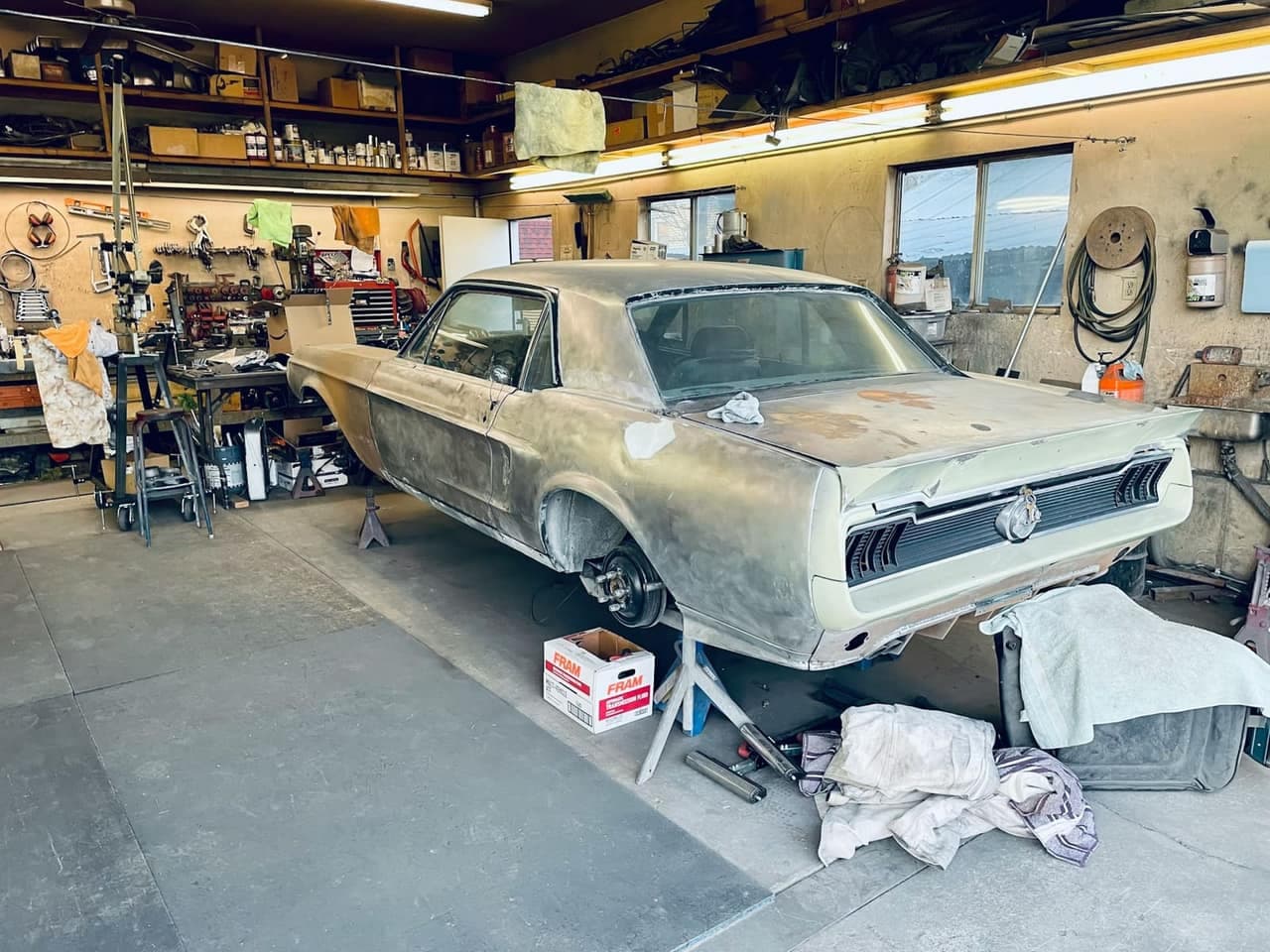
I have worked in a car workshop for two decades. Thousands of cars have passed through my hands, from old Zastavas to the latest BMWs. I have seen cars that fell apart because owners saved on the wrong parts. And I have seen cars that work perfectly with used parts that are 10 years old. The difference? Knowledge. Knowing what to buy used, and what never.
This is a summary of what I have learned about used parts. No marketing fluff, no theorising. Just pure practice from the workshop. Which parts do I recommend buyers buy used? Which do I steer them away from? And why? Let's go in order.
The golden rule: lasting vs wear parts
Before I get into the specific categories, I have to explain one fundamental rule I use when advising customers.
Car parts fall into two big categories: lasting and wear. Lasting parts are designed to last as long as the car itself (or at least most of its life). Wear parts are designed to wear out and be replaced at regular intervals.
Lasting parts are worth buying used. If a part is designed to last 300,000 km, and was taken off a car that did 150,000 km, it has another 150,000 km of life ahead. That is plenty.
Buy wear parts new. If a part is designed to last 30,000 km, and was taken off a car with unknown mileage, you do not know how much it has left. Maybe 20,000, maybe 2,000. The risk is not worth the saving.
Sounds simple? It is. But it is surprising how many people buy used brake pads (a wear item) and pay for new calipers (a lasting part). It should be the other way around.
Parts I ALWAYS recommend buying used
Here is my list of parts for which I always tell customers: "Get a used one, no point paying for new."
1. Body panels
Bumpers, fenders, doors, bonnets, boot lids, sills. These are pieces of metal or plastic that do not "work" mechanically. They are either intact or they are not. A used bumper with no damage is identical to a new one, only cheaper.
The only thing I watch for: corrosion on metal parts and colour change on plastic ones (from UV exposure). And colour, of course. If you can find a part in your car's colour, you save on painting too.
Saving: 50 to 80% compared to new parts.
2. Glass and mirrors
Original glass is expensive. Very expensive. A windscreen for a newer BMW or Mercedes can cost 500 to 1,000 euros with heating, rain sensor and camera. Used, with no scratches: 100 to 300 euros. Glass is glass. If it is not cracked or scratched, used is perfect.
Mirrors are a special category because they often include heating, electric adjustment, auto-dim and an LED indicator. New original mirror: 300 to 800 euros. Used: 50 to 200 euros.
3. Interior
Seats, door cards, instrument cluster, steering wheel, gear lever, console. All of these are parts that do not wear mechanically. The leather on the seats can be worn, but if you find seats in good condition, the job is done. It is especially worth buying a used leather interior to replace fabric. You can completely change the character of the car for a few hundred euros.
4. Engines and gearboxes
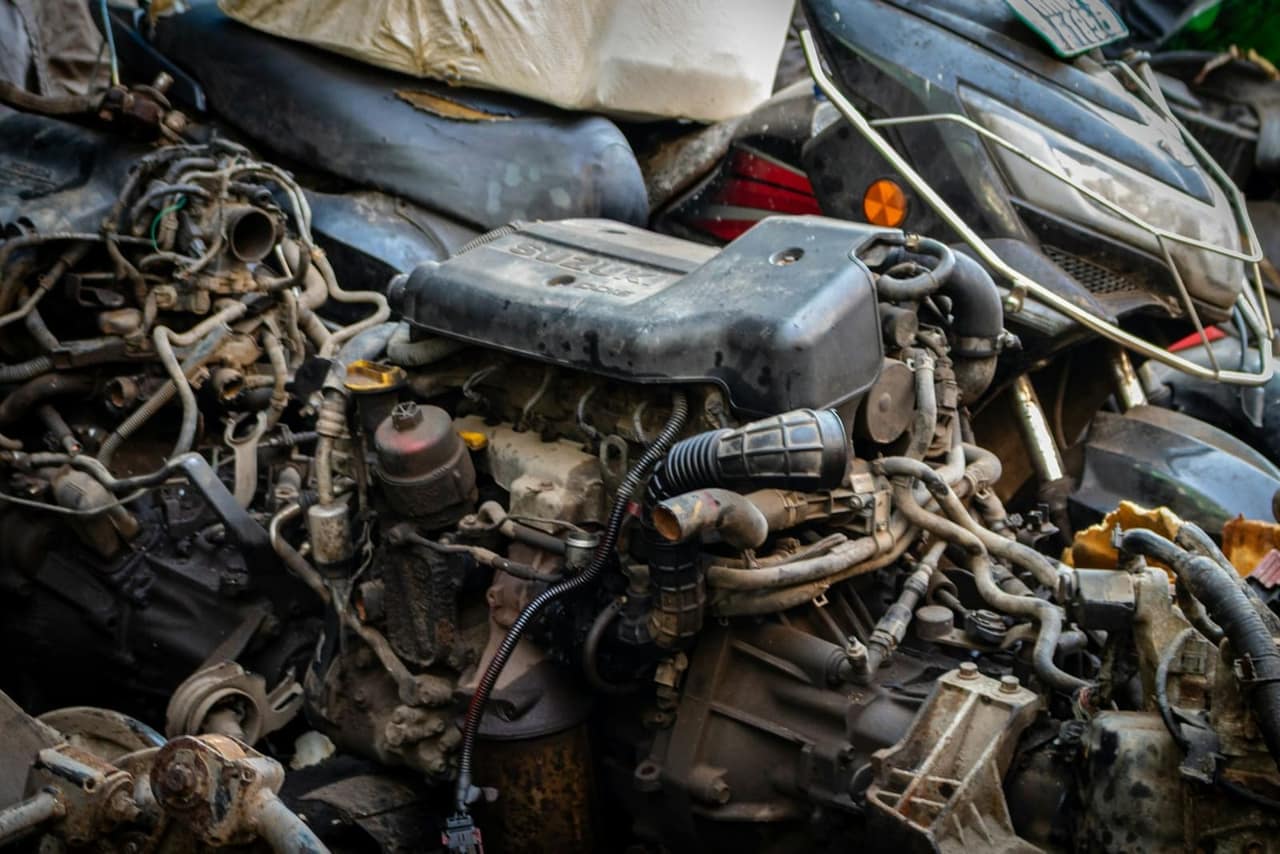
Yes, you heard right. A used engine is one of the best buys you can make. Sounds counter-intuitive? It is not, when you think about it. Modern engines are designed for 300,000+ km. An engine from a car that has done 150,000 km and has been serviced regularly has a long life still ahead of it.
The key thing: buy an engine that has documented service history or at least from a seller who can guarantee the mileage. An engine with unknown history is a gamble.
The same goes for gearboxes, both manual and automatic. Manual gearboxes are nearly indestructible if used normally. Automatics are more sensitive, but with proper maintenance (regular oil change) they last a very long time.
5. Alternators and starters
These are electromechanical parts that last a very long time. A used alternator or starter with 150,000 km is usually in excellent condition. New original alternator: 200 to 500 euros. Used: 50 to 150 euros. And often a used OEM is better than a new cheap aftermarket.
6. Brake calipers
As I have said many times to customers in the workshop, calipers are a lasting part. The body of the caliper does not wear. The seals and rubber parts can be replaced for 20 to 30 euros (rebuild kit). Buy a used caliper, rebuild it and you have a part that will last another 100,000+ km.
7. Steering racks
The steering rack is an expensive component. New original: 400 to 1,200 euros. Used: 100 to 400 euros. These components are sturdy and rarely fail. When they do fail, it is usually just a seal that can be replaced. A used rack in working condition is an excellent buy.
8. Electronic modules
ECU (engine control unit), BCM (body control module), instrument cluster, navigation, multimedia. Electronics do not wear in the classic sense. They either work or they do not. A used ECU that works is identical to a new one. Just watch for compatibility and any required coding to your vehicle.
9. AC compressors
New original AC compressor: 300 to 800 euros. Used: 80 to 200 euros. AC compressors last a long time and used ones are often in perfect condition. Check that it turns freely and that there is no knocking.
10. Headlights and rear lights
Especially for newer cars with LED or Xenon headlights, which can cost 500 to 2,000 euros each new. Used: 150 to 500 euros. Check that there is no moisture inside and that all the elements work.
Parts I NEVER recommend buying used
Now the other side of the coin. Here are parts for which I always say: "Buy new, do not save on this."
1. Brake pads and discs
These are wear parts with a limited lifespan. You do not know how worn used pads or discs are. Measuring thickness is possible, but even if they are thick enough, they could have been overheated or worn unevenly. New pads are cheap (20 to 60 euros for a set), discs as well (30 to 100 euros per disc). Not worth risking.
2. Belts (timing, V-belts, ribbed)
Rubber belts lose elasticity with age and can snap. A timing belt that snaps can destroy the engine (on interference engines). Cost of a new belt: 20 to 50 euros. Cost of a new engine: 2,000 to 5,000 euros. The maths is clear.
3. Water pump
If you are already changing the timing belt, change the water pump too. Always new. The bearing in the pump wears, and when it fails, the engine overheats. New water pump: 30 to 80 euros. Too cheap to risk with a used one.
4. Rubber suspension parts
Silent blocks, anti-roll bar bushes, control arm bushes, rubber bearings. Rubber ages and hardens. Used rubber parts are almost certainly harder than new ones, and you do not know how much life they have left. New ones are cheap, and replacing rubber suspension parts can dramatically improve how the car handles.
5. Brake hoses
Rubber brake hoses weaken with age and can burst under pressure. When a brake hose bursts, you lose brake fluid and the ability to stop. New hoses: 10 to 30 euros each. Buy new only.
6. Filters (oil, fuel, air, cabin)
Filters are the cheapest wear parts on the car. There is absolutely no point buying used filters. Always new.
7. Gaskets and seals
Cylinder head gaskets, crankshaft and camshaft seals, rocker cover gaskets. When the engine is stripped for a repair, all gaskets must be new. No exceptions.
8. Thermostat
A small and cheap part (10 to 30 euros), but key for proper engine temperature regulation. A used thermostat can fail at any moment. Always new.
The grey zone: parts that depend on the situation
There are parts that can be bought used in some situations, but not in all. Here is that "grey zone":
Shock absorbers
Shocks wear gradually and their life depends on driving conditions. A used shock with 50,000 km is probably OK. With 150,000 km? Probably not. The problem is you cannot easily test a shock outside the vehicle. My advice: if quality aftermarket shocks are available at a reasonable price (Bilstein, Monroe, KYB), buy new. If OEM shocks are unreasonably expensive, used ones with low mileage are acceptable.
Turbochargers
A turbo can last 200,000+ km, but it can also fail at 100,000 km if the oil has not been changed regularly. Used turbo with documented history: yes. Used turbo with unknown history: carefully. If you are buying, check axial and radial play on the shaft and the condition of the blades.
Springs
Suspension springs can be bought used if they are not broken and have not sagged too much (lost height). The problem: it is hard to visually judge how much height a spring has lost. For sport springs or springs with specific specifications, used can make sense because those springs are expensive new.
Clutch (kit)
The clutch disc is a wear part and I would not buy it used. But the pressure plate and the flywheel can be OK used if they are in good condition. A dual-mass flywheel is particularly interesting because new it is extremely expensive (400 to 1,000 euros), while a used one in good condition can be found for 150 to 350 euros.
Practical workshop tips
To finish, here is a collection of tips I give customers every day:
- Always ask for the OEM number - when buying a used part, ask for the original part number. That is the only way to be 100% sure of compatibility.
- Photos are not enough - if possible, see the part in person before buying. A photo can hide a crack, corrosion or wear.
- Ask for the mileage and year - how many kilometres has the car done and how old is it? Those are the two most important pieces of information for judging the condition of a part.
- A used OEM is better than a new cheap aftermarket - I cannot stress this enough. An original part with 150,000 km is almost always better than a new part from China for 15 euros.
- Warranty matters - buy from sellers who give at least a minimal warranty (7 to 30 days). That shows they stand behind what they sell.
- Do not skimp on fitting - even the best used part is useless if it is fitted badly. Have it fitted by someone who knows what they are doing.
- Keep your old parts - when you replace a part, do not throw the old one away immediately. You may be able to sell it to someone or return it as a core charge.
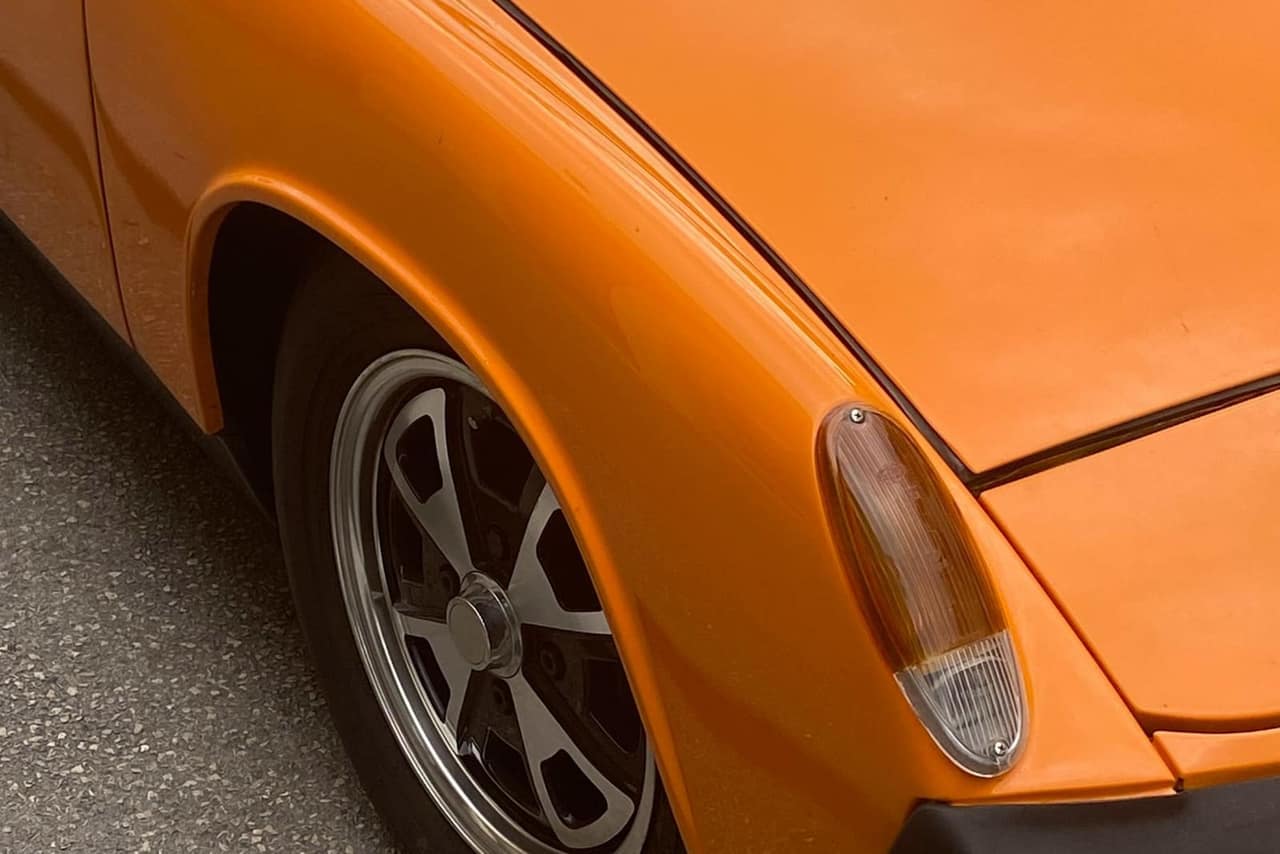
The lasting vs wear rule
Used parts are not a compromise. They are a smart decision, if you know what you are doing. Buy lasting parts used, buy wear parts new, and when in doubt, ask a mechanic you trust.
And if you need a specific used part, send a request on the PoDi platform. Describe what you need, state the model and year of the vehicle, and our suppliers will offer you verified used parts at fair prices. That is how smart car owners save money without sacrificing quality and safety.