

A market changing faster than ever
The used car parts market is going through the biggest transformation in its history. Digitalisation, electrification of vehicles, stricter environmental rules and shifts in buyer habits are changing the rules of the game. What worked ten years ago does not work today. And what works today may not work in five years.
There are six key trends reshaping the used parts market right now, from digitalisation to electric vehicles. Each one has a concrete impact on what you search for, what you offer, and how much you pay.

Trend 1: Digitalisation of buying and selling
The days when you had to visit scrapyards and dismantlers in person are slowly fading. Online platforms like PoDi let you find used parts from your armchair, compare offers from several suppliers and order with home delivery.
And this is just the start. Here is what we can expect over the next 5 to 10 years:
AI parts search
Instead of typing the make, model and part name manually, you will be able to simply photograph the broken part with your phone, and an AI system will identify it, find the OEM number and suggest compatible used replacements. This technology already exists in early form, and in a few years it will be standard.
Predictive analytics
Platforms will use data on which parts most often fail on which models and at what mileage, so they can offer parts before you even need them. Imagine a notification saying: "Your Golf 7 has 180,000 km. The water pump on this model typically lasts up to 200,000 km. Here are offers for a used water pump."
Virtual part inspection
3D scanning and AR (augmented reality) will let buyers "inspect" a used part in 3D on their screen, rotate it, zoom in on details and check its condition before buying. This will cut returns significantly and build trust in online buying of used parts.
Blockchain for tracking origin
Blockchain technology can enable tracking of a part's full lifecycle, from manufacture, through installation on a vehicle, removal, sale and reinstallation. The buyer could see the full history of the part, including which car it was taken from, how many kilometres it has covered and when it was last serviced.
Trend 2: Electric cars are changing the game
Electric cars have a fundamentally different design from conventional vehicles. That means the used parts market has to adapt.
What electric cars do not have (or have less of):
- An internal combustion engine (replaced by electric motors that rarely fail)
- A gearbox (most EVs have a single-speed reducer)
- An exhaust system (does not exist)
- A fuel system (pumps, injectors, fuel filters)
- Timing belts and drive belts
- A clutch
- An alternator and starter
- Spark plugs and glow plugs
All of these parts make up a significant share of today's used parts market. As the share of EVs grows, demand for these parts will gradually drop.
What electric cars do have (and what will be in demand):
- Battery packs - the most expensive and most important part of an EV. Used batteries with degraded capacity are already a sought-after item
- Electric motors - although they rarely fail, when they do, replacement is expensive
- Inverters and controllers - complex electronics that manage the motor
- Battery management systems (BMS) - a critical component for battery safety and performance
- Onboard chargers - the built-in charger that converts AC into DC for the battery
- High-voltage cables - special cables for transferring electrical power
The transition period
Do not worry, conventional cars will not vanish overnight. It is estimated that even in 2035, more than 60% of cars on the road will still have internal combustion engines. That means demand for classic used parts will stay significant for at least another 15 to 20 years. But smart sellers are already starting to learn about EV parts and prepare for the future.
Trend 3: Refurbished parts
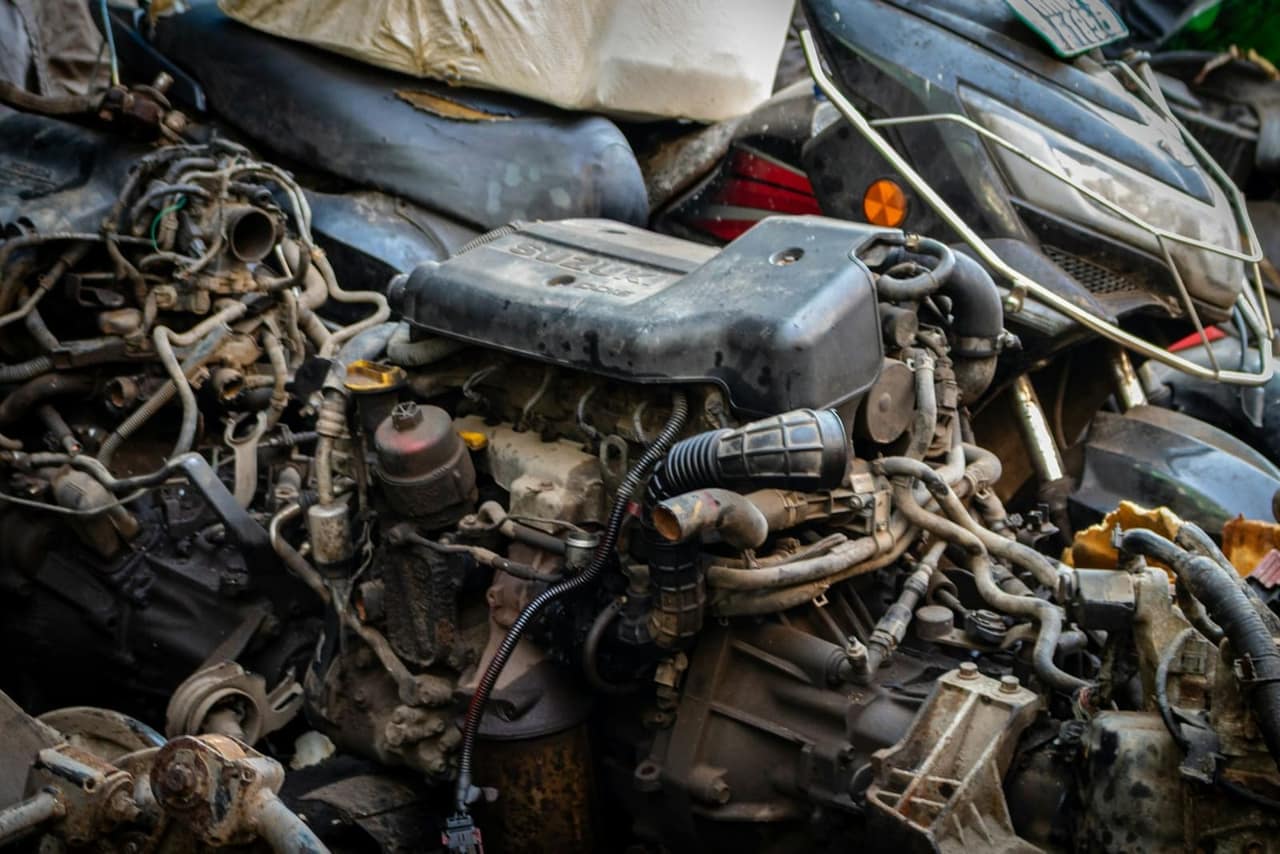
Between new and used there is a middle category: refurbished parts. These are used parts that have been professionally disassembled, cleaned, repaired and tested. Examples include refurbished turbos, alternators, starters, injectors and control units.
The market for refurbished parts is growing because:
- The price is 30 to 60% lower than new original parts
- Quality is close to original because original housings and components are used
- They come with a warranty (usually 6 to 24 months)
- They are more environmentally friendly than new parts
We expect the refurbished parts market to keep growing and become a mainstream option for more and more buyers. On the PoDi platform you can already find refurbished parts from verified suppliers.
Trend 4: Changes in regulation
The European Union is regulating the used parts market more and more, and mostly in a positive direction:
Right to Repair
The EU is increasingly pushing manufacturers to give independent workshops and owners access to repair information, diagnostic tools and spare parts. This is good news for the used parts market because it means more repair options outside authorised dealers.
Extended product lifespan
New EU directives encourage product design that can be repaired and recycled. For cars, that means parts should be easier to replace and more compatible, which favours the used parts market.
Digital product passport
The EU plans to introduce digital passports for products, including car parts. Each part would have a digital record with data on materials, manufacturer, compatibility and recycling instructions. This would make identifying and verifying used parts much easier.
Trend 5: Globalisation of the market
The used parts market is becoming more global. A part removed from a car in Germany may end up on a car in Croatia, Serbia or Turkey. Online platforms enable cross-border trading that was previously impossible or impractical.
This brings benefits:
- A wider selection of parts for buyers
- A bigger market for sellers
- More competitive prices
- Parts for rare models become more accessible
But it also brings challenges:
- Logistics of cross-border shipping
- Different quality standards between countries
- Language barriers
- Warranty and complaints across borders
Trend 6: Specialisation and niche platforms
Instead of one big platform for everything, we see a trend of specialisation. Platforms for specific brands (BMW only, VW only), specific categories (body parts only, electronics only) or specific markets (Croatia only, Balkans only) offer better service to their niches.
PoDi positions itself as a regional platform focused on service quality and verified suppliers, an approach that is proving successful in markets of our size.
What does this mean for buyers?
The future looks good for buyers of used parts:
- More choice and easier searching thanks to digitalisation
- Better information about the condition and origin of parts
- More competitive prices because of greater market transparency
- Safer buying thanks to review systems, warranties and authenticity checks
- Faster delivery as logistics becomes more efficient
What does this mean for sellers?
For sellers, the future brings both opportunities and challenges:
- Opportunities: Bigger market, access to buyers outside the local region, room to specialise
- Challenges: More competition, the need to digitalise, pressure on margins because of price transparency
Sellers who adapt, invest in quality photos and descriptions, build a reputation and use platforms like PoDi, will have a significant advantage over those who stick to old ways of doing business.
Adapt or fall behind
The used car parts market is changing, and changing fast. But one thing stays the same: the need for affordable, quality car parts. Cars will keep breaking down, parts will keep wearing out, and people will keep looking for ways to save on repairs.
Technology is changing how used parts are searched for, bought and traded, but the basic principle stays the same: reusing a working part is a smart, economical and environmentally responsible choice. And platforms like PoDi are here to make that process as simple and safe as possible for everyone involved.
The future of the used parts market is bright. The only question is who will adapt and seize the opportunities, and who will fall behind. We vote for adapting. What about you?