
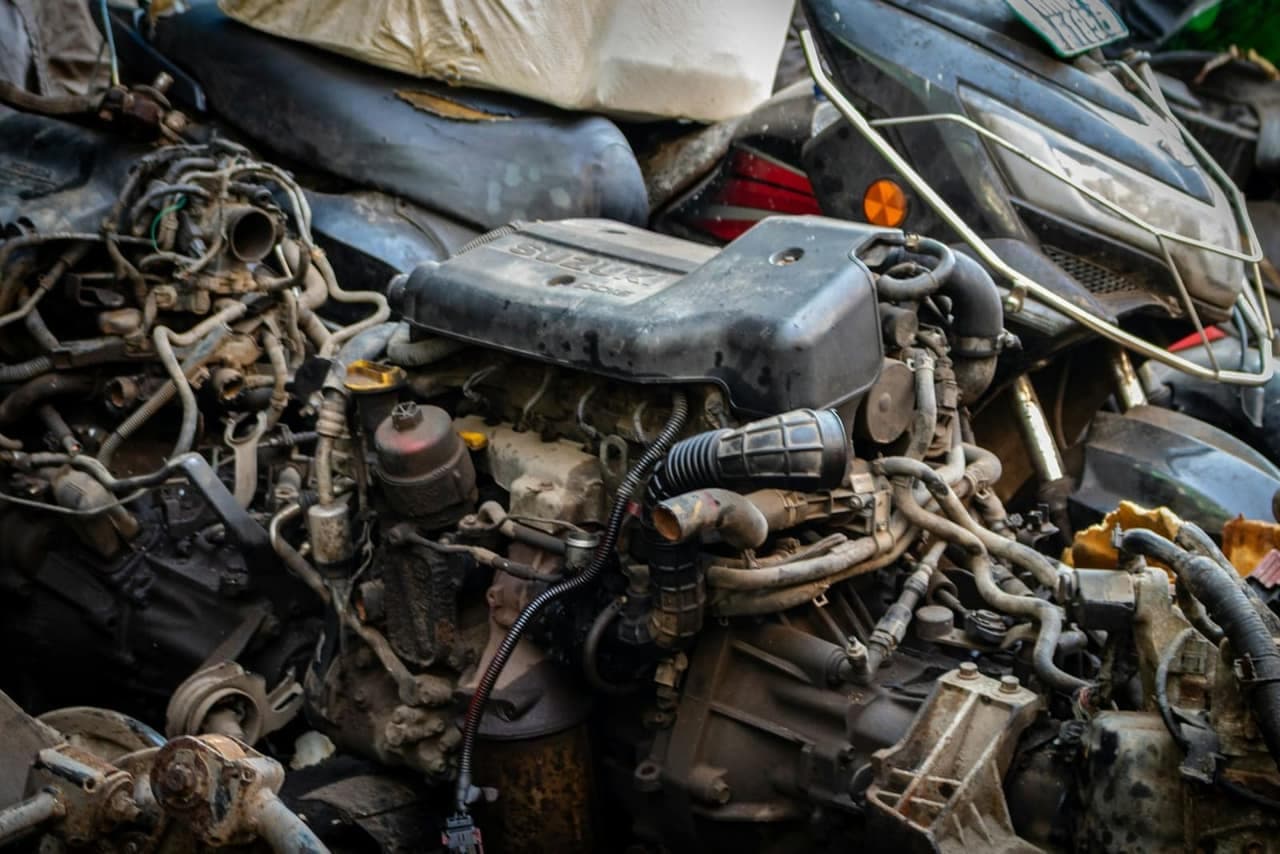
Engine mounts: small parts with a big impact
Engine and gearbox mounts are among those parts no one thinks about until they start causing problems. And when they do, the problems can be quite unpleasant. Vibrations felt throughout the car, strange noises when starting or shutting off the engine, jerks when changing gears, and even gear engagement trouble on a manual.
Most cars have three to four mounts that hold the engine and gearbox and link them to the body. Their job is twofold: hold the engine in place and isolate engine vibrations from the cabin. And it is that second function that is the reason worn mounts have such a dramatic effect on driving comfort.
Replacing the mounts is not an excessively expensive operation in terms of labour, but new original mounts can cost from 50 to 200 euros apiece, depending on the car model. For premium vehicles, prices go much higher. And that raises the question: are used mounts a sensible alternative?
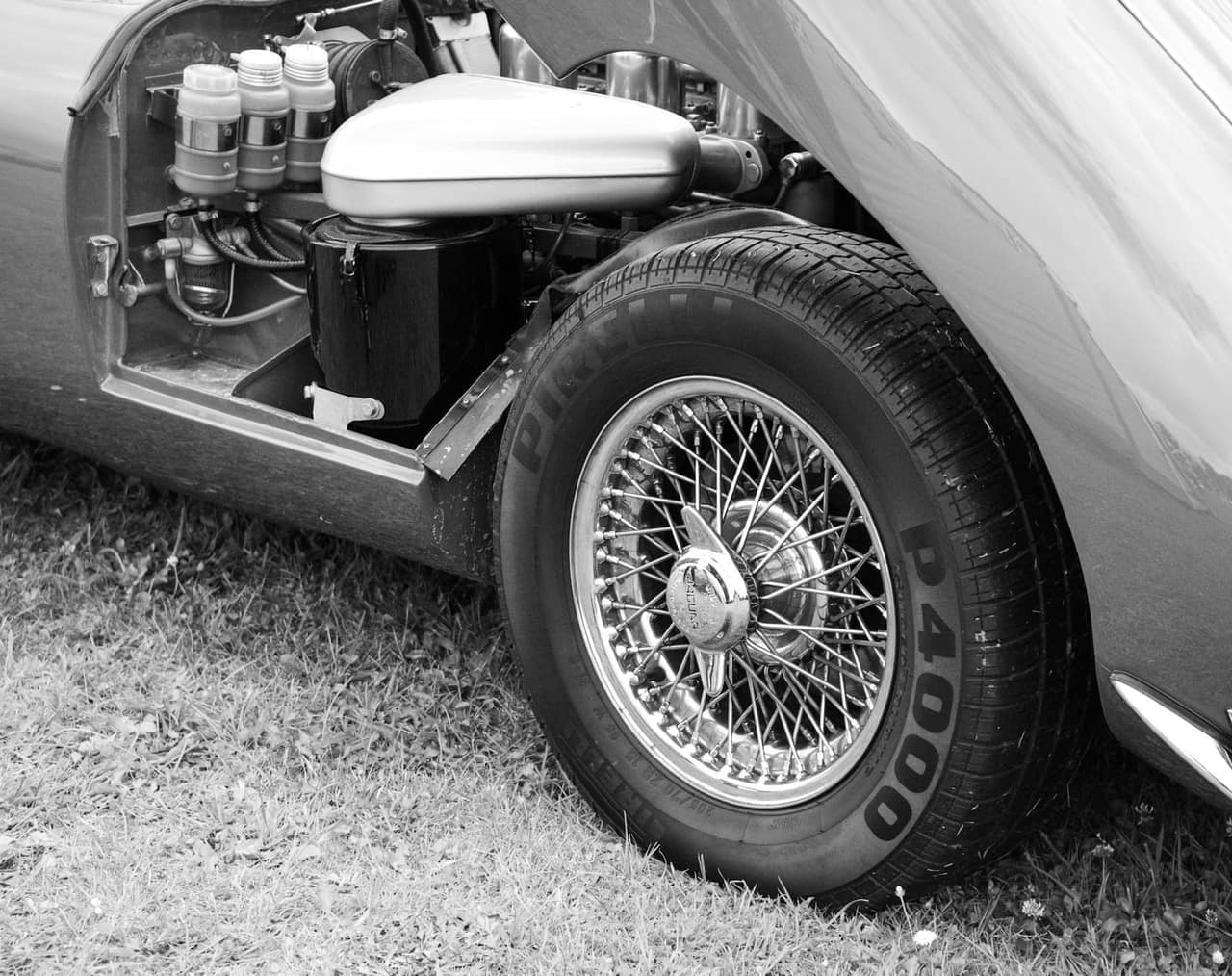
How engine and gearbox mounts work
To work out whether buying used mounts makes sense, we first have to understand how they work and what happens to them over time.
Most engine mounts consist of two metal parts joined by a rubber block (which is why they are often called "silent blocks"). The upper metal part is bolted to the engine or gearbox, the lower to the body or subframe, and the rubber part between them absorbs vibrations and prevents direct metal-to-metal contact.
On some models, the mounts are filled with fluid (hydraulic mounts) which further dampens vibrations. These are more advanced and more expensive, but also more effective at vibration isolation.
Over time, the rubber dries out, cracks and loses elasticity. On hydraulic mounts, the fluid can leak. When that happens, the mount can no longer effectively isolate vibrations, so the engine starts to "wander" in the engine bay and the vibrations transfer to the body.
Signs of worn mounts
Spotting worn mounts is not always easy because the symptoms can resemble other problems. But here are the most common signs:
- Vibrations at idle - you feel vibrations through the steering wheel, seat or pedal when the car is standing with the engine running
- Thumps on engine start or shutdown - the engine "jerks" when you start or stop it
- Jerks when changing gears - especially pronounced on automatic gearboxes
- Banging when crossing potholes - the engine moves and hits surrounding parts
- Visible cracks on the mount rubber - if you can see the mount, cracks are a clear sign
- The engine sits visibly off-centre - in extreme cases, the engine leans to one side
One simple test: open the bonnet, start the car and put it in gear while holding the brake. Watch the engine. If the engine visibly rises or shifts when you give it throttle, the mounts are most likely worn.
Used engine mounts: does it pay off?
Honest answer: it depends on the mount type. And this is the key distinction many people miss.
Simple rubber-metal mounts
On simple mounts made only of metal and rubber, buying used can make sense, but only if the mounts are fairly new (less than 5 years old and less than 80,000 km). Rubber wears out with time, not just with mileage, so even a mount from a small car that has not driven much can be dry and cracked if it is 10 years old.
The advantage of these mounts is that the condition is easy to check. The rubber part is visible, so you can see cracks, deformation or the rubber separating from the metal with the naked eye.
Hydraulic mounts
With hydraulic mounts, the situation is more complicated. The state of the fluid inside the mount cannot be checked visually. The mount can look perfect from the outside, while the fluid may have leaked out or lost its properties. Used hydraulic mounts are therefore a riskier buy.
On the other hand, hydraulic mounts are significantly more expensive new (100 to 300 euros versus 40 to 80 euros for simple ones), so the saving is bigger and the motivation to buy used is stronger.
How to check a used engine mount
Here is a detailed guide for assessing a used mount's condition:
Visual inspection of the rubber
Inspect the rubber part of the mount from every side. Look for:
- Cracks of any size (even small cracks are a bad sign)
- The rubber separating from the metal part
- Rubber deformation (the rubber should be uniform, without bulges or dents)
- Traces of oil (on hydraulic mounts, oil on the surface means a leak)
- Rubber hardness (press with your thumb, the rubber should be elastic, not hard as stone)
Compression test
Place the mount on a flat surface and try to squeeze it with your hand. A good mount will give an elastic resistance and return to its original shape. If the rubber deforms permanently or you hear cracking, the mount is done.
Test for hydraulic mounts
Shake the mount. If you hear fluid inside, that is a good sign because it means the fluid has not leaked. If you hear nothing, that does not necessarily mean it is empty, because some designs do not allow audible fluid movement. But in combination with other signs, it can be an indicator.
Prices of used engine and gearbox mounts
Used mounts are generally affordable. Here are rough prices:
- Simple rubber-metal mounts - 15 to 40 euros each
- Hydraulic mounts - 30 to 80 euros each
- Mounts for premium vehicles (BMW, Audi, Mercedes) - 50 to 150 euros
- Mount kit (3 to 4 pieces) - 60 to 200 euros
For comparison, a new original mount for a VW Golf costs around 80 to 120 euros, while a used one can be found for 20 to 40 euros. A new mount for a BMW 3 Series can cost 150 to 250 euros, and a used one 50 to 80 euros.
Mount replacement: what you need to know
Replacing engine mounts sounds simple, but in practice it can be a challenge because the engine has to be supported while the mount is being changed. Without the right equipment (an engine jack or hydraulic post), the job is risky.
Here is the basic procedure:
- Support the engine with a jack or a hydraulic post from underneath
- Undo the mount bolts from the engine and the body/subframe
- Remove the old mount
- Put in the new (or used) mount
- Tighten the bolts to the specified torque
- Lower the engine onto the mount and remove the support
The labour cost at a mechanic is usually 30 to 80 euros per mount, depending on accessibility. Some mounts (especially lower or rear ones) can be in hard-to-reach spots, which extends the job.
How many mounts to replace at once?
This is a common dilemma. If only one mount is visibly damaged, do you need to replace them all? The answer depends on the car's mileage and age. If the car has done more than 150,000 km or is older than 10 years, it makes sense to replace all the mounts at once. The reason is simple: if one has given out, the others are likely close.
Replacing all the mounts at once is also more economical because it avoids repeat diagnosis and dismantling a few months later when the next mount lets go.
An alternative to used mounts: aftermarket options
On the market there are many aftermarket mounts that are significantly cheaper than originals. Makers such as Lemforder, Febi Bilstein and Meyle offer mounts for most popular models at prices that are often lower than used originals.
Aftermarket mount quality varies enormously. Cheap Chinese mounts for 10 to 15 euros can be made of poor rubber that gives out after a year. Reputable aftermarket makers offer quality on par with the original for 50 to 70 percent of the price.
For some models, aftermarket mounts are even better than the originals because the makers fixed flaws in the original design. For example, some aftermarket mounts for the BMW E46 have reinforced rubber that lasts longer than the original.
A special case: mounts for sports and tuning vehicles
If you have a car with an uprated engine or a sports car, standard mounts may not be enough. Higher engine power creates higher forces that standard mounts struggle to handle. For such applications there are uprated mounts (polyurethane inserts or full polyurethane mounts) which are stiffer but transfer more vibration into the cabin.
Used uprated mounts are rare on the market, but when they show up they can be an excellent buy because polyurethane lasts much longer than rubber.
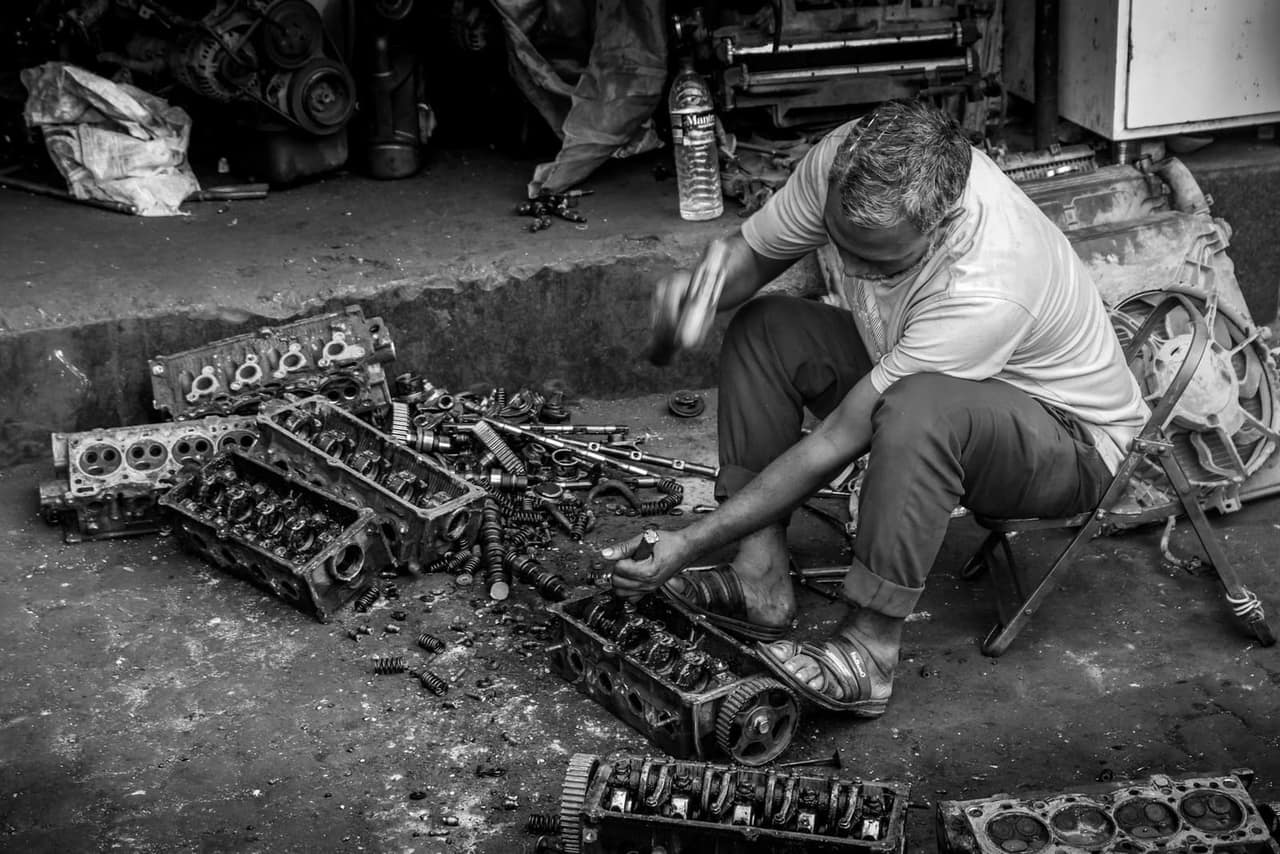
Where to buy used engine and gearbox mounts
Engine mounts are a part that is rarely removed from cars at breakers' yards "ahead of time", so you usually need to order them and wait until they are removed. Online classifieds offer used mounts, but availability is limited for rarer models.
On the PoDi platform you can send a request for used engine or gearbox mounts with the exact details of your vehicle. Suppliers on the PoDi platform will check availability and send you options with prices and condition notes. That saves you time and helps you get the part that fits your car.
Whether you buy used or new mounts, do not put off the replacement. Worn mounts not only reduce driving comfort, they can also damage other parts of the car because the engine "wanders" and hits surrounding components. Better to swap a mount for 30 euros than wait for the engine to damage an air-con pipe for 300 euros.