
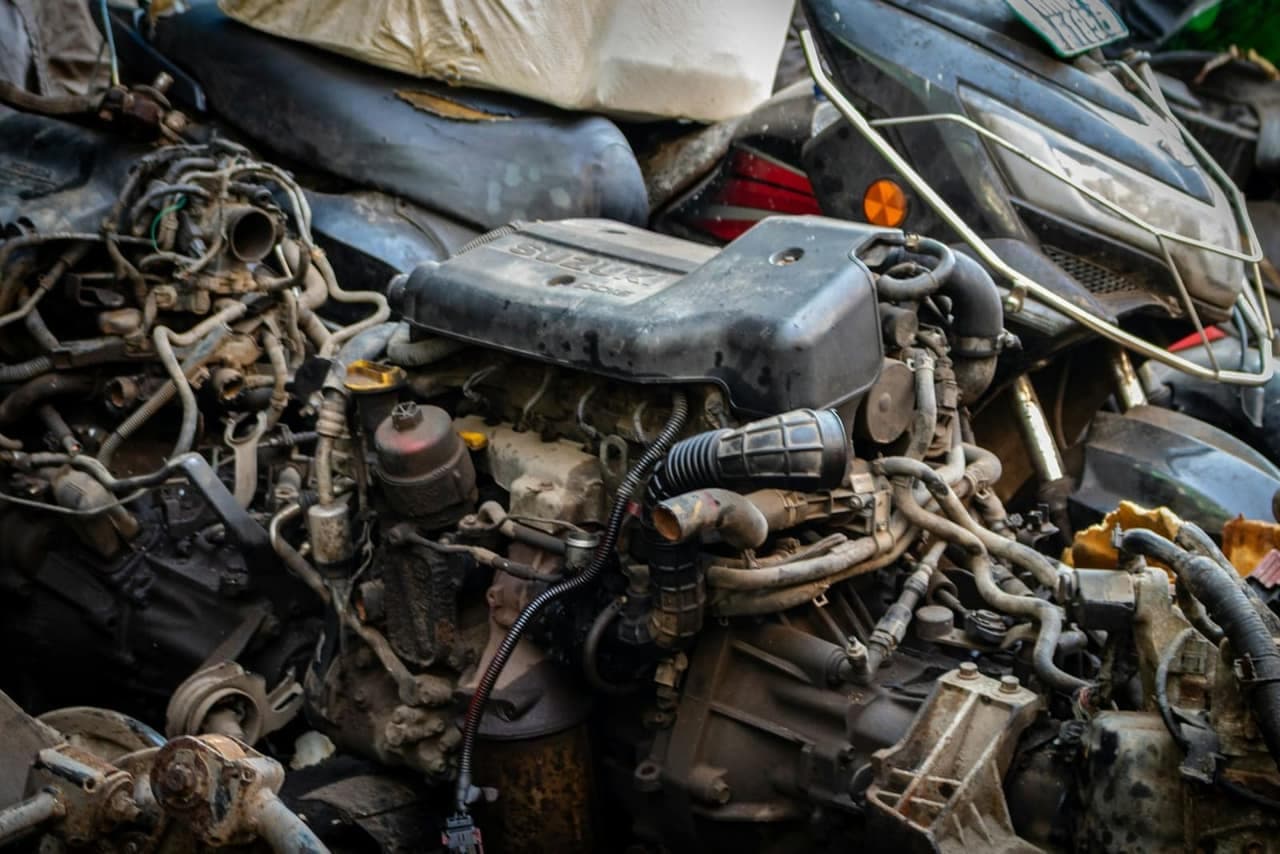
An engine swap is not the end of the world
Let's be honest. When the mechanic tells you "the engine is finished", it feels like someone has just dropped the worst news in the world on you. Then comes the magic sentence: "We can fit a new one, but it costs..." and what follows is usually a number that makes you start thinking about selling the car.
But hold on. There is an option many people do not consider enough, and it could save you thousands of euros. A used engine. Yes, an engine that has already been in someone else's car, but still has life left in it. And no, it is not a lottery if you know what you are doing.
The engine is the heart of the car, so it makes sense that people choose one with a slightly shaky hand. But the process is no mystery. There are clear checks you carry out before purchase, a realistic price range for every popular engine, and rules for fitting it correctly. No rushing, no fear, just concrete information.
Why even buy a used engine?
Let's answer the obvious question first. Why would anyone buy a used engine when they can buy a new one? The answer is simple: money.
A new engine for an average car costs between EUR 3,000 and 8,000, depending on the model. For some premium cars that figure can be over EUR 15,000. Add installation on top, and you are looking at a bill that is often higher than the car itself is worth.
A used engine? You are talking EUR 500 to 2,500 for most popular models. That is a huge difference. And if the engine is in good shape, it can serve you for years to come without trouble.
Here are a few more reasons why a used engine makes sense:
- Environmental angle - recycling an engine is far better for the environment than producing a new one
- Availability - used engines are available for older models that are no longer in production
- Speed - you can source and fit a used engine faster than waiting for a new one from the factory
- Proven technology - you know that engine works because it has already been in service
Where do used engines come from?
Before we get into checking an engine, it is worth knowing where these engines come from in the first place. There are a few sources, each with its own advantages and risks.
Scrapyards (vehicle dismantlers)
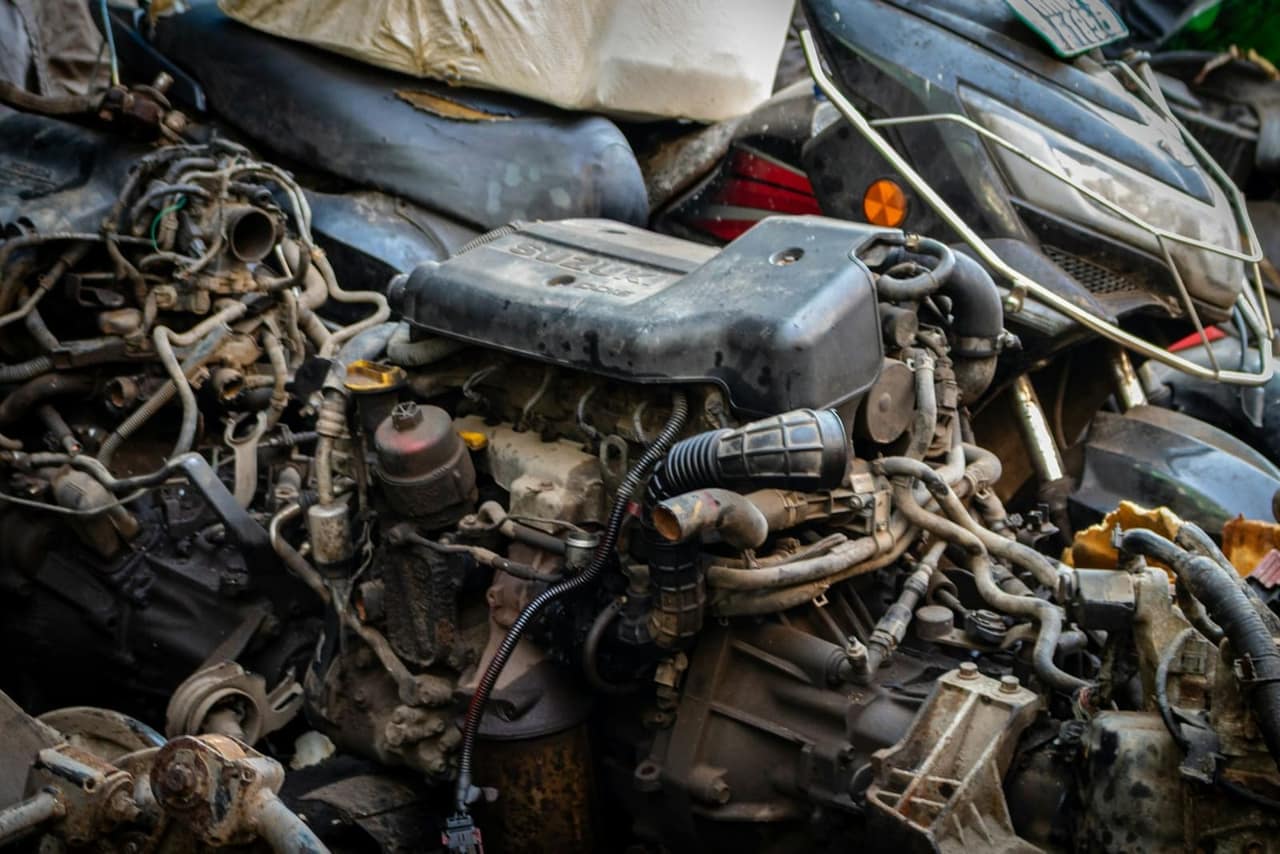
This is the most common source. When a car ends up at a scrapyard, whether through a crash, age or some other reason, the engine is taken out and sold separately. Scrapyards across the region have huge stocks of engines for all the popular brands.
The benefit of buying from a scrapyard is that you can come in person, see the engine, and sometimes even hear it run before you buy it. The price is usually lower because there is no middleman.
Imports from Germany and western Europe
Germany is a gold mine for used car parts. Scrapyards there have strict standards, so engines are often in better condition. Many traders import engines from Germany, Austria and the Netherlands.
The price is a bit higher because of transport, but the quality is often better. Plus, you can get paperwork on the engine's origin.
Private sellers
Sometimes people sell engines from their own cars. Maybe they have upgraded the engine, or their car was damaged in a crash but the engine survived. This is where you need to be most careful, because you have no guarantee other than the seller's word.
What to check before buying a used engine
Now we come to the part you are most interested in. How do you know if an engine is good or you are throwing money to the wind? There are a few things you absolutely must check.
1. Mileage and age
This is the first and most important piece of data. An engine with 80,000 kilometres is in a completely different state to one with 300,000 kilometres. But careful: mileage alone does not tell the whole story.
Petrol engines can usually last 200,000 to 300,000 km with regular maintenance. Diesel engines are even tougher and can cover 400,000 km or more. But that only holds if the engine has been serviced regularly.
Ask the seller for a service book or any maintenance documentation. If there is none, that is not automatically a dealbreaker, but it should be a warning that you need to check the engine even more carefully.
2. Visual inspection
You can see a lot with the naked eye, even if you are not a mechanic:
- Oil on the dipstick - pull out the dipstick. The oil should be brown or dark brown. If it is milky white, that means coolant is mixing with the oil, which points to a blown head gasket. This is a big problem.
- Colour of exhaust gases - if you can start the engine, watch the smoke from the exhaust. White smoke means coolant in the cylinder, blue smoke means the engine is burning oil, black smoke on a diesel can mean injection problems.
- Leaks - look at the engine from all sides. Traces of oil or coolant around the gaskets are a bad sign.
- State of belts and hoses - cracked, hardened or damaged hoses and belts show the engine has not been maintained.
- Corrosion - a bit of surface rust is normal on an older engine, but serious corrosion on bolts and connectors can point to neglect.
3. Cylinder compression
This is the test that gives you the most reliable picture of the engine's state. Measuring compression shows how well the cylinders hold pressure, which speaks directly to the condition of the pistons, piston rings and valves.
For this test you need a compression tester, or better yet, have a mechanic do it. The difference in compression between cylinders should not exceed 10%. If the difference is greater, it points to uneven wear and potential problems.
Typical compression values:
- Petrol engines: 10 to 14 bar
- Diesel engines: 20 to 35 bar
4. Engine noises
If you have a chance to hear the engine running, pay attention to unusual noises. The engine should run smoothly and evenly. Here is what to listen for:
- Knocking - can point to worn crankshaft or camshaft bearings
- Whistling - often a sign of a turbo problem or air leaks in the intake
- Ticking - can be normal on a cold start (hydraulic valve lifters), but if it does not stop after warming up, there is a problem
- Uneven running - the engine "shudders" or misfires, which can point to issues with spark plugs, coils or compression
5. Engine code and compatibility
This is something many people forget to check, and it is extremely important. Every engine has its own code (e.g. N47D20 on a BMW, or 1.9 TDI BXE on a Volkswagen). Before buying, you have to be 100% sure the engine is compatible with your car.
Even with the same engine type, different generations can have differences in electronics, connectors or software. Check with a mechanic before buying.
How much do used engines cost?
The price of a used engine depends on many factors, but here are ballpark prices for the most popular engines on the regional market:
- 1.6 TDI (VW/Skoda/Seat): EUR 800 to 1,500
- 2.0 TDI (VW/Audi): EUR 1,000 to 2,000
- 1.5 dCi (Renault/Dacia): EUR 600 to 1,200
- 2.0 HDi (Peugeot/Citroen): EUR 700 to 1,400
- N47/N57 (BMW): EUR 1,200 to 2,500
- OM651 (Mercedes): EUR 1,500 to 3,000
- 1.4 TSI (VW group): EUR 800 to 1,600
On top of these prices, add EUR 500 to 1,500 for installation, depending on the complexity of the job and the mechanic.
Installing a used engine
Buying the engine is only half the job. Installation is just as important, and this is definitely not the place to cut corners.
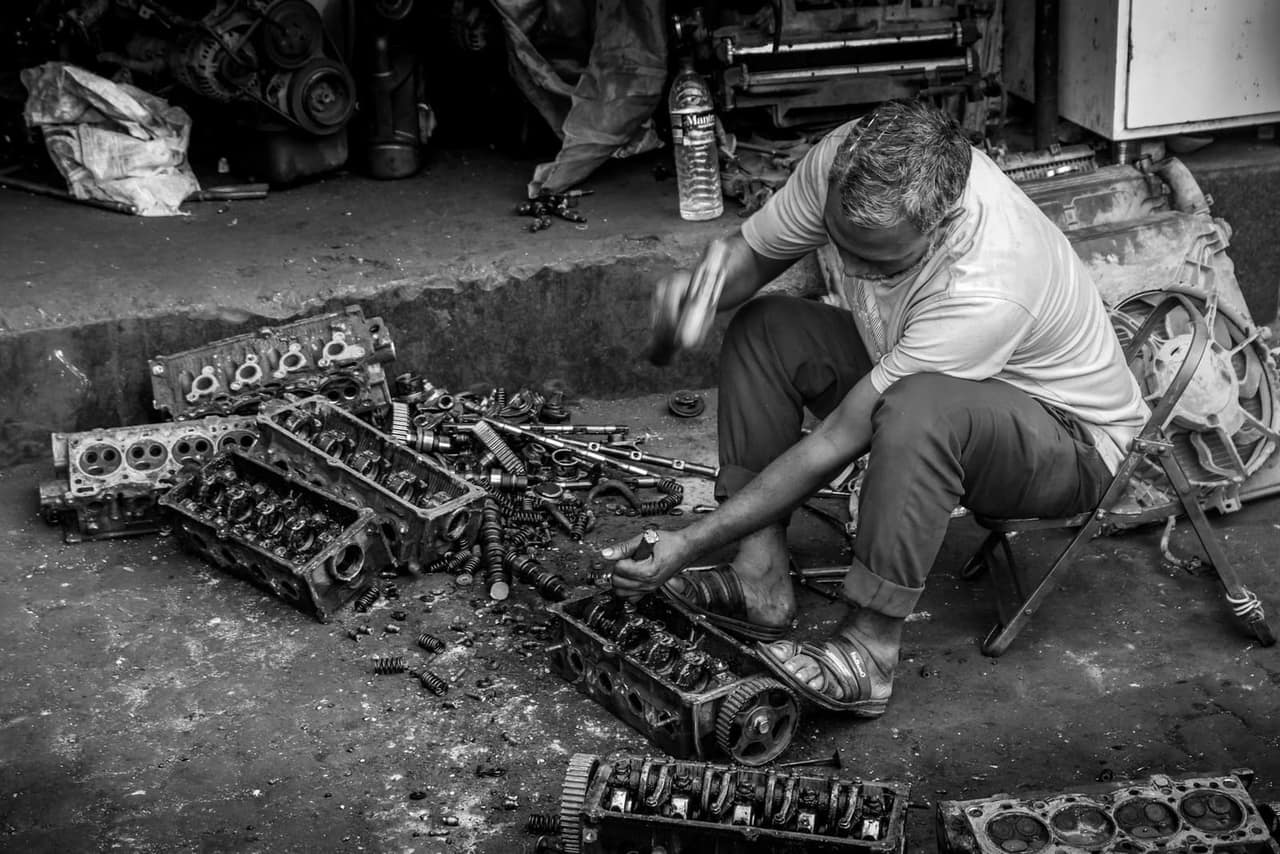
Professional engine installation usually takes 1 to 3 days, depending on the model. On some modern cars with lots of electronics, the work can take longer because programming and coding are required.
Here is what a good mechanic should do when swapping an engine:
- Replace all gaskets (head gasket, valve cover gaskets, crankshaft seals)
- Replace the timing belt or chain if needed
- Replace the water pump
- Replace the thermostat
- Put in fresh oil and a new filter
- Check and if needed replace the clutch (on manuals)
- Code the engine into the ECU if required
Warranty on a used engine
Many used engine sellers offer some kind of warranty. Usually it is 30 to 90 days, or up to a certain mileage. This is an important factor when picking a seller.
If someone is selling you an engine with no warranty whatsoever, that does not necessarily mean the engine is bad, but it is an extra risk. Prefer sellers who offer at least a basic warranty.
On the PoDi platform you can send a request for a used engine and compare offers from several suppliers, including information on warranty and engine origin. You agree the condition and warranty directly with the supplier.
Most common mistakes when buying a used engine
To save you time and stress, here are the mistakes people most often make:
- Picking an engine purely on the lowest price - yes, price matters, but the cheapest engine is usually the cheapest for a reason. Better to pay a little more for an engine with a proven history.
- Ignoring compatibility - "it is the same engine, just a different version" is a sentence that has cost many people hundreds of euros in adaptation work.
- Installation by amateurs - swapping an engine is not a weekend hobbyist's job. A sensor wired wrong or a gasket torqued badly can destroy even the best engine.
- Skipping accompanying parts - if you are swapping the engine anyway, replace all the accompanying parts (gaskets, belt, pump). You will thank yourself later.
- Buying without inspection - avoid buying an engine purely on photos and description. If you cannot inspect it in person, have someone you trust do it.
Alternative: a full engine rebuild
Sometimes a full rebuild of your existing engine is a better option than buying a used one. A full rebuild (overhaul) involves stripping the engine, replacing worn parts, honing the cylinders and reassembling it.
The price of a full rebuild is usually EUR 1,500 to 3,500, but you get a practically new engine with a known history. This option is particularly good for engines that are mechanically healthy but have one specific problem.
Buy a used engine or walk away
Buying a used engine is a smart decision if you approach it with the right knowledge and care. The key is to check, check, and check again. Do not rush, compare offers, and hire a reliable mechanic for the installation.
If you are looking for a used engine for your car, send a request through PoDi and compare competitive offers from several suppliers. You arrange the purchase and delivery directly with the supplier.