
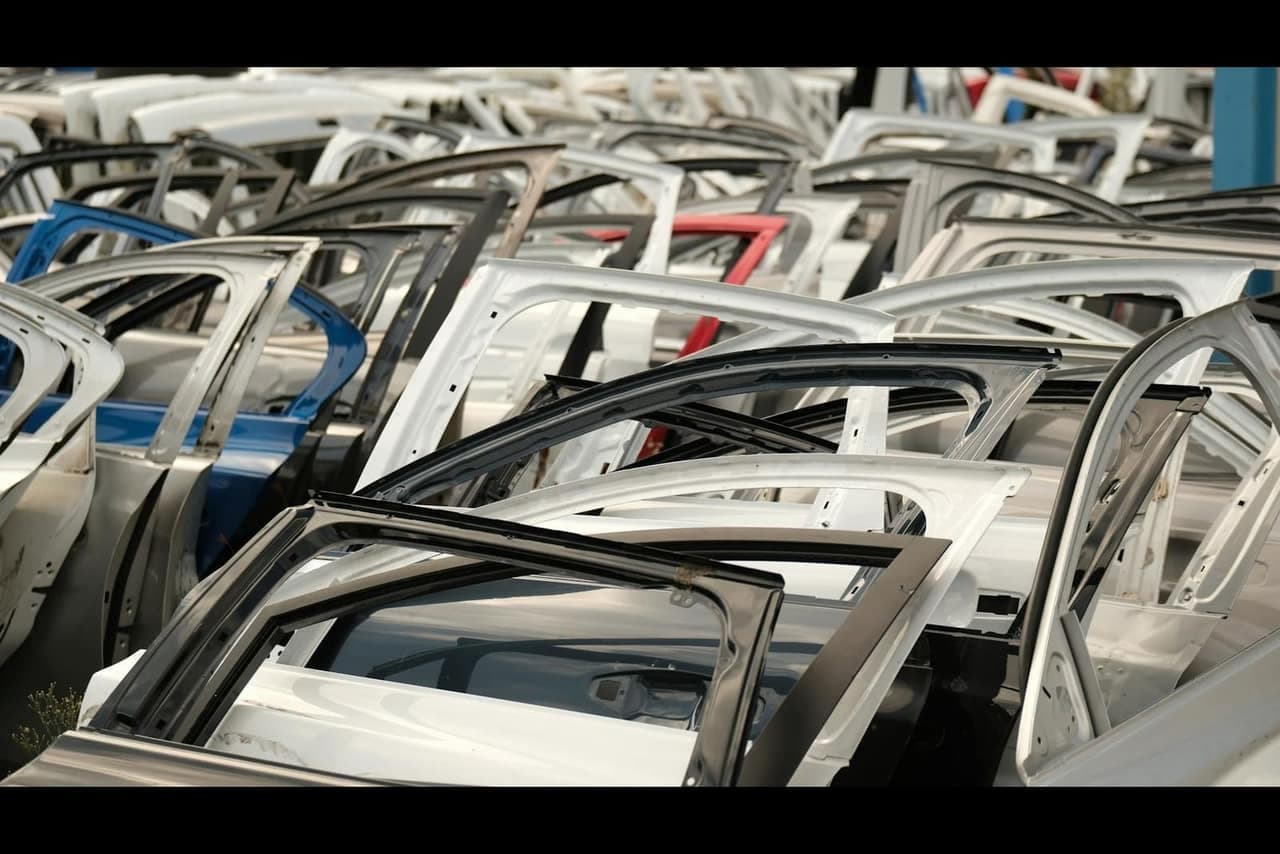
When the window will not go up: A frustration we all know
Few things on a car are as frustrating as a window that will not go up. You are driving in the rain and the window is down. You park the car and you cannot close the window. You go to the car wash and have to hold the glass with your hand because it keeps sliding down. Sound familiar? If so, you have a problem with the window regulator or the regulator motor, and you are not alone. This is one of the most common faults on cars, especially those older than 7 to 8 years.
A new window regulator with motor from the manufacturer costs from 80 to 400 euros, depending on the brand. Aftermarket replacements are cheaper (40 to 150 euros), but quality can vary. A used original window regulator? From 20 to 100 euros, and if it is in good condition, it will serve you just as well as new.
How a window regulator works
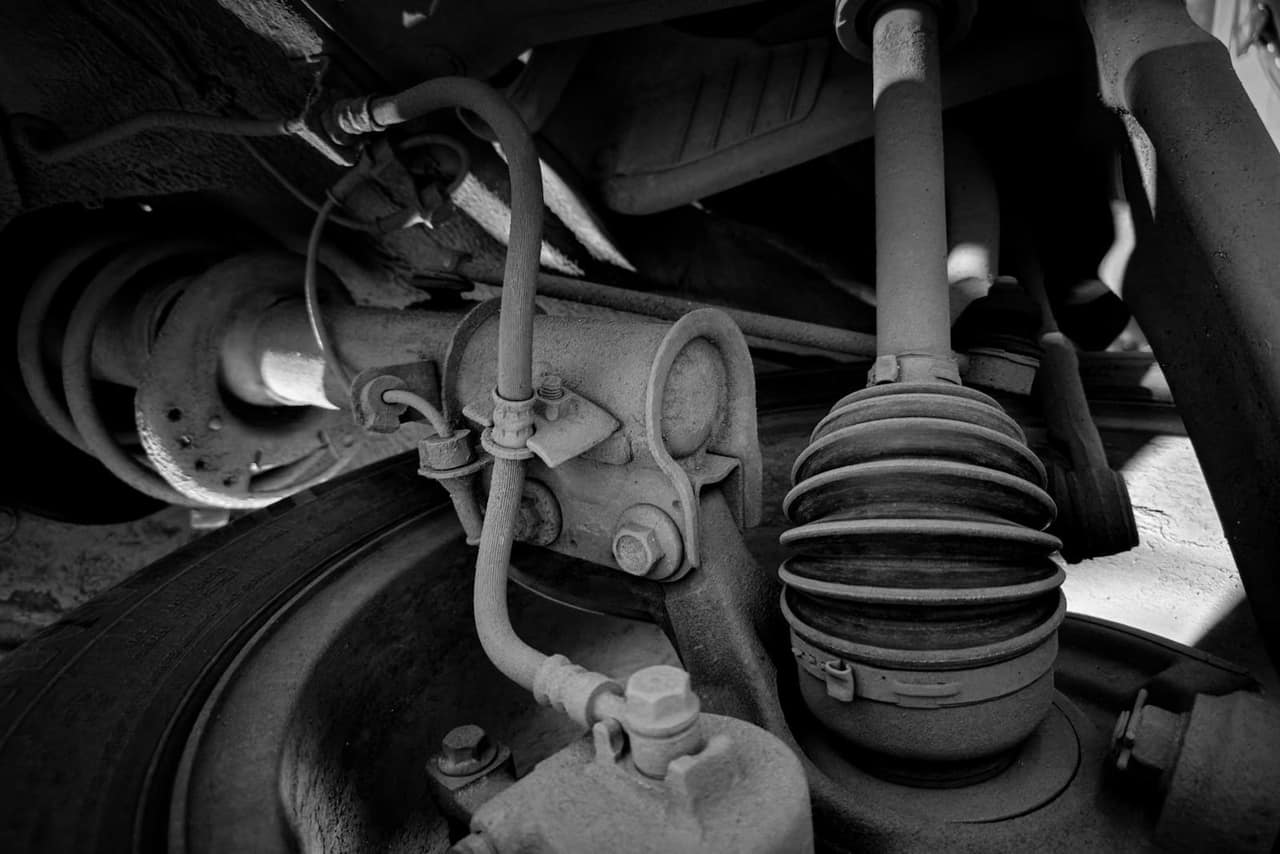
Before we talk about replacement, let's understand how this system actually works. The window regulator is a mechanism inside the door that raises and lowers the glass. It is made of two main parts: the mechanical regulator and the electric motor that drives it.
Types of mechanical regulators
There are two main types of mechanical window regulators. The first is the scissor type, which uses metal arms that open and close like scissors to raise and lower the glass. This type is common on older cars and is simpler in construction. The second is the cable type (or Bowden), which uses a steel cable wrapped around a pulley to move the glass up and down. The cable type is lighter and takes up less space, so it is used by most modern cars.
Scissor regulators are more durable and fail less often, but when they do, it is usually a worn plastic guide or a broken metal arm. Cable regulators are more sensitive because the steel cable can snap or jump out of the pulley, and the plastic guides wear faster.
The electric motor
The window regulator motor is a small electric motor with a gearbox that converts the motor's fast rotation into slow but strong movement of the regulator. The motor can fail for several reasons: worn brushes, a burnt-out winding, or a faulty reduction gear. Sometimes the problem is simply poor contact at the motor connector, which can be fixed by cleaning without replacement.
Interestingly, on many cars the motor and regulator come as one unit, so if only the motor fails, you have to replace the entire regulator. But on some models the motor can be replaced separately, which is cheaper.
How to identify what is broken
When the window does not work, the problem can lie in several places, and it is important to diagnose the real cause before buying a replacement part.
The motor does not work at all
When you press the switch and hear nothing, neither the sound of the motor nor a relay click, the problem can be in the switch, the wiring, the fuse, or the motor itself. First, check the fuse for the windows (usually in the cabin fuse box). If the fuse is fine, check the switch by connecting the motor directly to the battery (two wires). If the motor runs when you connect it directly, the problem is in the switch or wiring, not the motor.
The motor runs but the glass does not move
If you hear the motor's sound but the glass does not move, the problem is in the mechanical part of the regulator. On cable regulators, the most common cause is a snapped cable or a cable that has jumped off the pulley. On scissor types, it can be a broken plastic guide or gear. In both cases, you have to replace the regulator (or repair it if the issue is simple).
The glass moves up slowly or sticks
If the glass goes up but slowly or with difficulty, the problem may be in worn window guides (rubber or plastic strips the glass slides in), dirty or dry regulator mechanism, or a motor that is weakening. Sometimes simply lubricating the guides with silicone spray solves the problem without replacing a single part.
The glass drops on its own
This is a common and extremely annoying problem. You raise the glass, release the switch, and the glass slowly slides back down. The cause is usually a worn reduction gear in the motor that no longer holds position, or a broken plastic clip that holds the glass on the regulator. On some cars (Ford Focus, Volkswagen Polo, and others), this is such a common problem that there are specialist repair kits for the clips for just 5 to 10 euros.

Choosing the right used window regulator
When buying a used regulator, you have to be precise in specification because regulators are specific to each door.
Side and position
The window regulator for the front left door is not the same as for the front right. And they are not the same as for the rear doors. Each position has its specific regulator that differs in shape, cable length and mounting points. When ordering, always state the exact position: front left, front right, rear left or rear right.
Model and year
As with all parts, the regulator must match your car's model and year. Even within the same model generation, there can be differences if the car had a facelift. The OEM part number is the safest way to get exactly the right regulator.
With or without motor
Some used regulators come with a motor, some without. If your motor is working but the mechanical part is broken, you can buy just the regulator without a motor and transfer your motor to it. The reverse applies if your motor is broken but the regulator is fine. Of course, the simplest is to buy a complete assembly (regulator plus motor) because fitting is faster and simpler.
Replacing the window regulator: the procedure
Replacing the window regulator is a job of medium difficulty. Not overly complicated, but it requires patience and care. Here is the basic procedure:
- Remove the door card (procedure described in our article on door cards)
- Secure the glass - put tape on the outside of the glass so you can hold it in the up position while you work
- Disconnect the motor connector
- Separate the glass from the regulator - usually two screws that hold the glass on the regulator carrier
- Undo the regulator bolts - usually three to four bolts holding the regulator to the door frame
- Remove the old regulator through the service opening in the metal part of the door (this requires a bit of manoeuvring)
- Insert the new regulator and tighten the bolts
- Connect the glass to the new regulator
- Connect the motor connector
- Test before refitting the card
- Refit the door card
The whole job takes one to two hours per door, depending on the model and your experience. The biggest challenge is usually manoeuvring the regulator through the service opening in the metal door because the opening is smaller than the regulator and you have to turn it at the right angle to get it through.
Prices of used window regulators
- Regulator without motor: 15 to 50 euros
- Motor separately: 15 to 40 euros
- Complete assembly (regulator + motor): 25 to 100 euros
- Premium brands: 40 to 150 euros
A new original regulator with motor costs 100 to 400 euros, so the saving with used is significant, especially if you have to replace regulators on more than one door.
Preventive maintenance
You can extend the life of your window regulator with simple maintenance. Once a year, lubricate the window guides with silicone spray. That reduces friction and load on the motor and mechanism. In winter, do not force a frozen window because that can snap the cable or burn out the motor. Instead, switch on the heating and wait for the ice to melt.
Also, do not hold the window switch longer than necessary. When the glass reaches the end of its travel (up or down), release the switch. Holding the switch when the glass is already at the end loads the motor and reduction gear, shortening their life.
A window that listens again
A used window regulator is a practical and economical choice for solving one of the most common car faults. The price is significantly lower than new, and an original used regulator in good condition will serve you just as reliably. Just make sure to order the right part for the right door, check the condition of the cables and motor, and the swap will be quick and painless. Need a used window regulator? Send a request to PoDi and suppliers on the platform will send you offers for the part you need.