
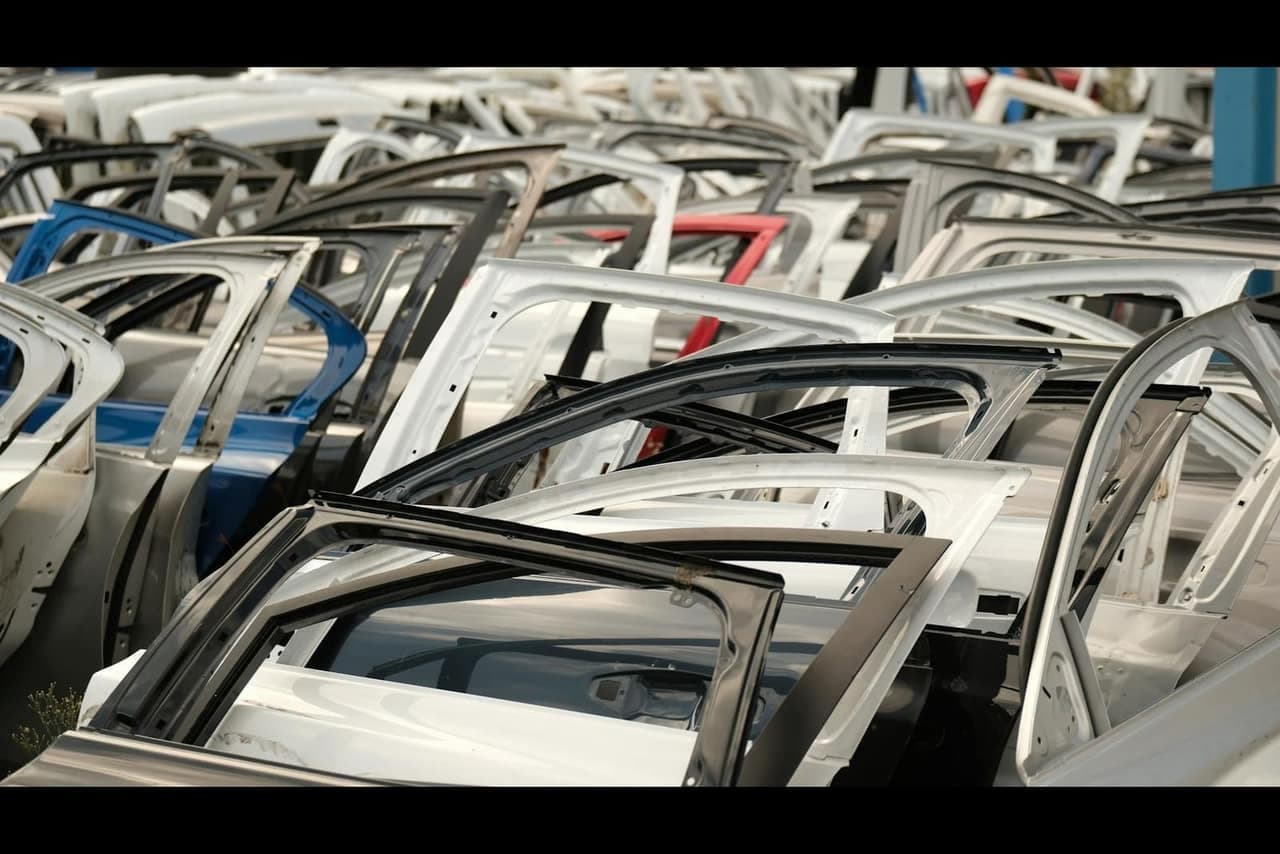
Sills and floor panels: parts you do not see, but that hold the car together
When we talk about a car's bodywork, most people think of bumpers, fenders, the bonnet and the doors. Those are the visible parts, the ones you look at every day. But beneath all of that there is something far more important: structural parts that literally hold your car together. And among them, sills and floor panels are some of the most critical.
A car sill (also called a rocker panel) is a metal structure that runs along the lower edge of the body, between the front and rear wheels. It connects the front and rear of the vehicle and forms the foundation on which the doors, fenders and other panels are mounted. The floor panel is the metal surface that forms the floor of the cabin.
These parts are extremely important for safety. In a side impact, the sill absorbs crash energy and protects the occupants. If the sill is rusted or damaged, that protection is significantly reduced. The same goes for the floor panels that provide the structural integrity of the lower part of the vehicle.
And because these parts are so important, their condition is critical for safety and for passing the technical inspection. A car with rusted sills will not pass an MOT, and for good reason.
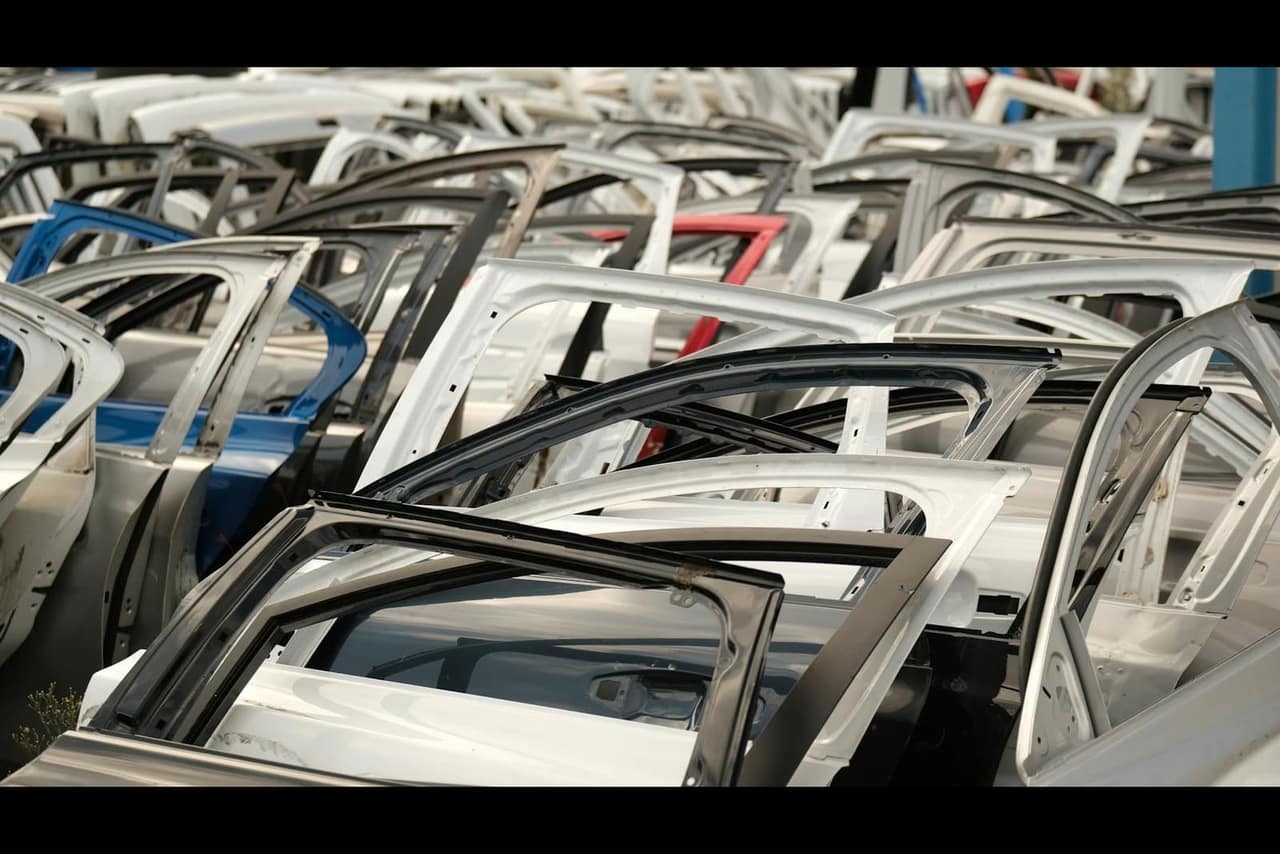
Why sills and floor panels rust
Sills and floor panels are among the most exposed body parts when it comes to corrosion. The reasons are:
- Position on the vehicle - they sit at the lowest part of the body, close to the road, exposed to everything the wheels throw up: water, mud, stones, salt.
- Road salt - winter salt is a killer for metal parts, especially for sills that are in direct contact with salty spray.
- Trapped moisture - sills are hollow profiles and moisture can collect inside. If the drainage holes at the bottom of the sill get blocked, water sits inside and rust spreads from the inside out.
- Mechanical damage - stones from the road hit the sills and damage the protective layer, opening the door to corrosion.
- Poor original protection - some manufacturers in the past used inadequate anti-corrosion protection on sills, which led to premature rusting.
How to spot damaged sills
The problem with sills is that corrosion usually starts on the inside and spreads outwards. By the time you see rust on the outer surface of the sill, the inside is often already significantly damaged. Here are the signs to watch for:
- Bubbles under the paint - this is an early sign of corrosion below the surface. The paint lifts because the rust beneath it expands the volume of the metal.
- Holes in the metal - advanced corrosion that has eaten through the metal. If you see holes, replacement is unavoidable.
- Softness under pressure - press the sill with your finger. If the metal flexes or feels "soft", corrosion has weakened the structure.
- Rust patches - obvious signs of corrosion on the surface.
- Uneven door gaps - if the sills have warped from corrosion, the doors will not close properly and the gaps will be uneven.
For a more detailed check, you can use a small hammer or a screwdriver to lightly tap the sill. Healthy metal gives a clean, ringing sound. Rusted metal gives a dull, muted sound. That is a simple but effective test.
Used sills vs. repair panels
When sill replacement is essential, you have two options: a used sill (taken from a donor vehicle) or a repair panel (a new piece of metal manufactured for the purpose).
Used sills
A used sill is an original part removed from another vehicle. The advantage is that it is OEM quality, with exact dimensions and properties. The disadvantage is that it is used, so it can itself have early-stage corrosion or damage that is not immediately visible.
Used sill price: EUR 30 to 100, depending on the model.
Repair panels
Repair panels are new pieces of metal cut in the shape of a sill (or part of a sill) and intended for welding onto the body. They come as aftermarket parts and usually cover the lower half of the sill (the most commonly damaged part).
The advantage of repair panels is that they are new, corrosion-free, and relatively cheap (EUR 20 to 60). The disadvantage is that they require skilled welding and usually cover only part of the sill, not the full profile.
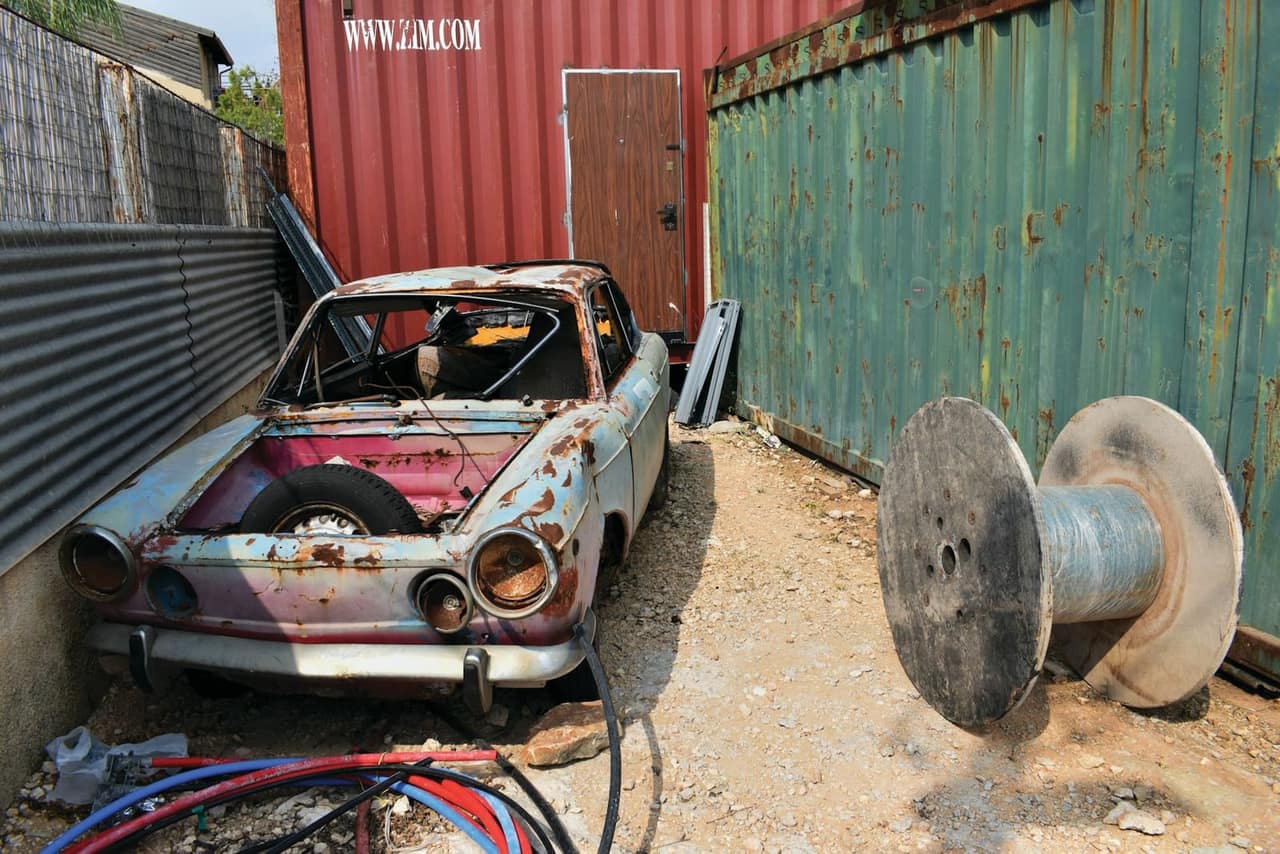
Sill replacement process
Sill replacement is a serious body job that requires experience, equipment and skill. This is not a weekend DIY job. The process briefly looks like this:
- The car is raised on a lift or on a body bench
- The doors, fenders and other parts blocking access to the sill are removed
- The old sill is cut out with grinders and saws
- The surface is cleaned of rust and prepared for welding
- The new sill (used or repair panel) is positioned and held with clamps
- The sill is welded onto the body (spot or continuous welding)
- The welds are ground and smoothed
- Anti-corrosion protection is applied
- The surface is filled, sanded and prepared for paint
- Painting
- Refitting all the removed parts
The whole process takes one to three days, depending on the scope of work. Labour cost (without the part) is usually EUR 300 to 800 per sill, including paint.
Floor panels: when your car's floor has holes
Floor panels are the metal surfaces that form the cabin floor. Like sills, they are vulnerable to corrosion, especially in the driver and passenger footwells, under the rear bench, and around the seatbelt mounting points.
Replacing a floor panel is an even more demanding job than replacing a sill because it requires access from inside (from the cabin) and from outside (under the car). The process includes: removing the seats, carpet and trim, cutting out the damaged section, preparing the surface, welding in new metal, sanding, anti-corrosion protection and refitting the interior.
Used floor panels are rarely bought as such. More commonly, repair panels are used that are cut to size and welded into the damaged spot. The cost depends on the size of the damage, but expect EUR 200 to 600 to repair one area.
Prevention: how to protect sills and floor panels
Replacing sills and floor panels is an expensive and time-consuming job. That is why prevention is absolutely key. Here is what you can do:
- Anti-corrosion coating - regularly apply an anti-corrosion coating to the underbody, especially the sills. There are various wax- or bitumen-based products that create a protective layer against moisture and salt.
- Cleaning the underbody - after winter, thoroughly wash the underside of the car to remove salt and mud. Many car washes offer an underbody wash option.
- Cleaning drainage holes - sills have small holes at the lower edge for water drainage. Check that they are open and clean. Blocked holes mean water sits inside the sill and causes corrosion.
- Repairing scratches - repair any scratch or paint damage on the sill as soon as possible. Exposed metal starts rusting within a few days, especially in damp conditions.
- Regular inspection - at least once a year, raise the car and inspect the sills and floor panels. Early detection of corrosion allows for simpler and cheaper repair.

How important is sill condition when buying a used car
If you are buying a used car, the condition of the sills is one of the most important indicators of the overall condition of the vehicle. A car with rusted sills is a car that has been neglected, and it probably has problems elsewhere too.
Before buying, always inspect both sills along their full length. Tap with a hammer, look for bubbles under the paint, check the door gaps. If the sills show signs of corrosion, that is either a reason to walk away from the purchase or to significantly reduce the price, because an expensive repair awaits.
Prevention is cheaper than replacement
Sills and floor panels are not glamorous car parts, but they are among the most important for safety and structural integrity. If you need replacement parts, used sills and repair panels are available options that can significantly save money compared with new original parts.
But the most important message of this article is: prevention is cheaper than repair. Protect the sills and floor panels with anti-corrosion coatings, clean them regularly, and react to the first signs of corrosion. And when you do need a replacement part, PoDi connects you with suppliers.