
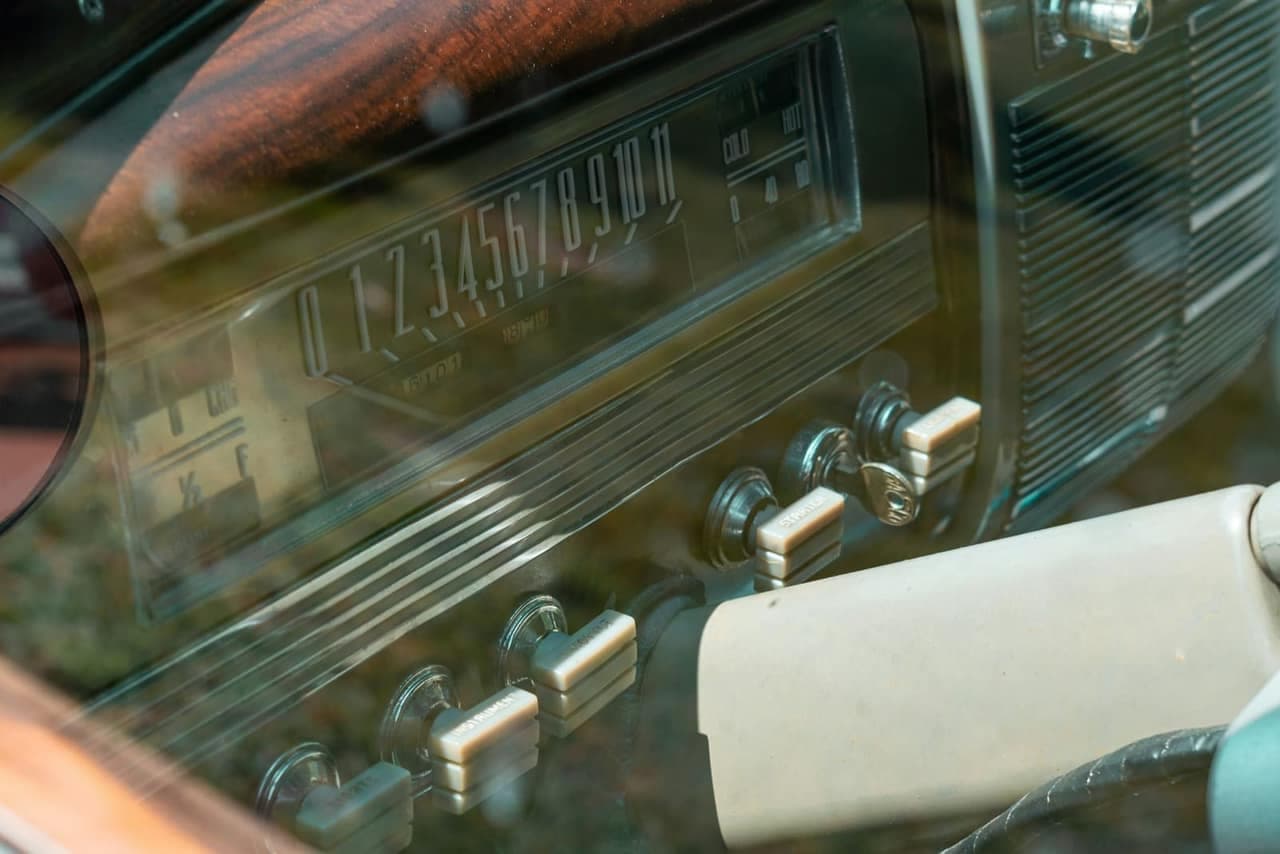
The instrument cluster: A window into your car's soul
The instrument cluster, or what many people call the "dashboard" or "gauge cluster", that piece of plastic and electronics in front of you while you drive, is actually one of the most important parts of the car. It tells you at any moment how fast you are going, how high the engine revs are, how much fuel you have, whether the engine is overheating, and warns you with lights when something is wrong.
And like any electronic device, the instrument cluster can fail. Display pixelation, dead gauges, lights that do not work or that stay on for no reason, backlighting that has died. All of these are common problems, especially on cars older than 10 years.
A new instrument panel from the manufacturer can cost anywhere from 300 to as much as 2,000 euros, depending on the car model and the cluster's complexity. A used instrument cluster? From 50 to 300 euros. The difference is huge, and if you know what to look for, the quality can be identical.
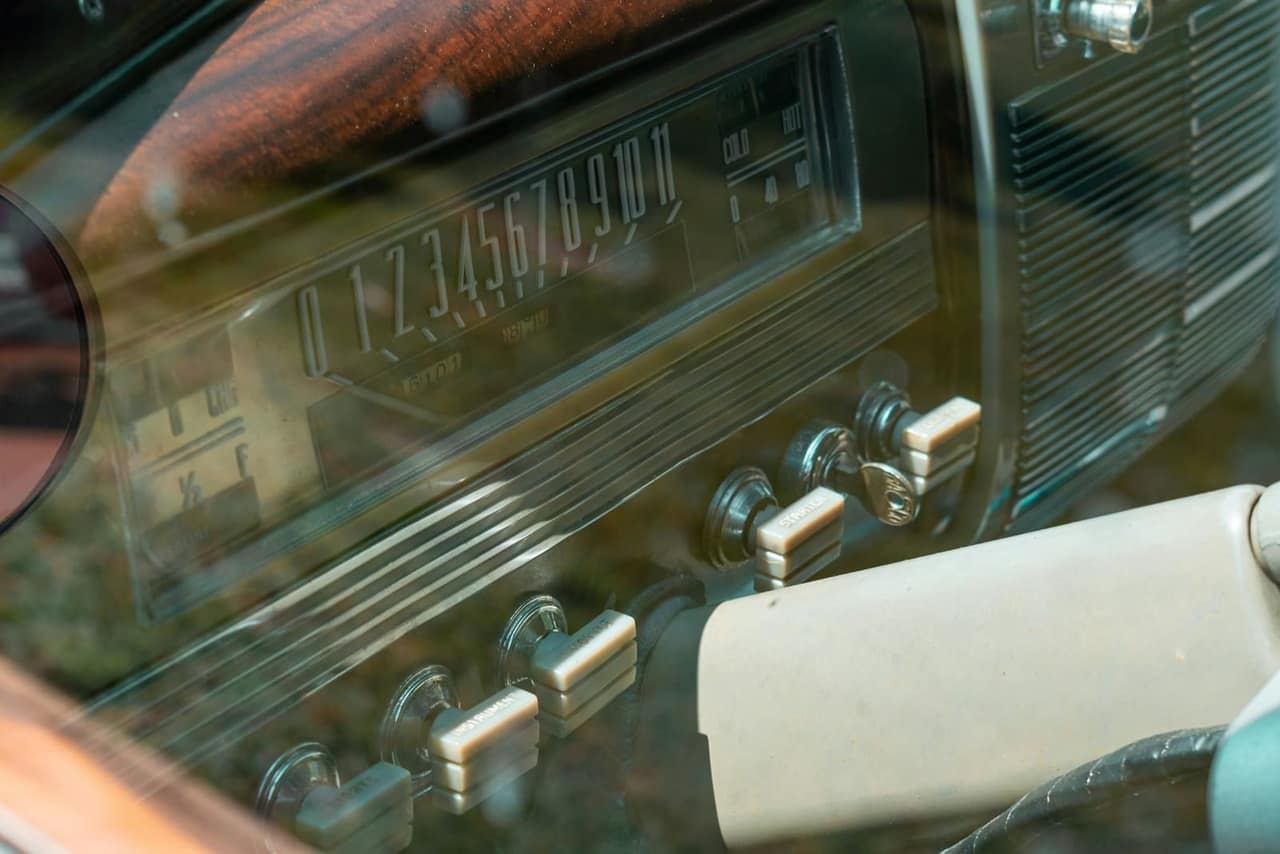
The most common problems with instrument clusters
Before we talk about buying a used cluster, let's go through the most common problems that lead you to need a replacement in the first place. Maybe your problem has a simpler solution than full replacement.
LCD pixelation
This is by far the most common problem, especially with German cars from the 2000s. BMW E39, E46, E53 are notorious for it. Mercedes W203, W211 the same. Volkswagen, Audi, all of them have this issue to some degree. The LCD in the middle of the cluster that shows mileage, temperature, trip computer info, starts losing pixels until in the end you cannot read anything.
The cause is a poor connection between the LCD and the circuit board. Over time, the solder joints fail due to thermal expansion and contraction, and contact is lost. This can actually be fixed without replacing the whole cluster. There are services that for 30 to 80 euros will resolder the screen or replace the entire LCD module. But if you have other issues besides the screen, replacing the whole cluster is the more practical option.
Dead gauges
A speedometer, tachometer, temperature or fuel gauge that stops moving or shows the wrong value. The cause may be a faulty stepper motor that drives the needle, or a problem in the electronics that sends the signal to that motor. Replacing a stepper motor costs about 10 euros for the part and an hour of work, but it requires soldering on the circuit board, which is not for everyone.
Backlighting
Older clusters use ordinary bulbs for backlighting and they burn out over time. The result is a dark instrument panel that you cannot see at night. Replacing the bulbs is a simple job if you can remove the cluster, but on some models access to the bulbs is complicated.
Warning lights
Lights that stay on constantly or do not come on at all. This can be a cluster issue (a burnt-out LED or bulb) or a problem in the system the light monitors. Before replacing the cluster, check with a diagnostic tool whether there is an actual fault in the system or whether the failure is only in the light itself.
Mileage: The elephant in the room with used clusters
Let's talk about something everyone knows but nobody likes to mention. When you swap an instrument cluster, the new cluster has the mileage of the car it was pulled from. That means your car suddenly "has" a different reading on the odometer. And that, understandably, is a big concern for many buyers.
But let's be clear about one thing: swapping a cluster with the intent of misleading a buyer about real mileage is illegal. It is a criminal offence in Croatia and most EU countries. If you are swapping a cluster because the old one is broken, that is entirely legitimate, but you have to document the swap.
How to handle mileage correctly
There are several options when it comes to mileage on a used cluster:
- Mileage adjustment - many specialist services can programmatically set the mileage on a used cluster to match your car's actual mileage. This is legal if done with the intent of displaying real mileage.
- Documentation - keep receipts and documentation of the cluster replacement. If you ever sell the car, you will be able to prove why the mileage differs from the service book.
- Diagnostics - on newer cars, the real mileage is also stored in other modules (ECU, key, gearbox), so it can be verified independently of the instrument cluster.

How to choose the right used instrument cluster
Picking the right cluster takes a bit of research, but it is not too complicated if you know what you are looking for. Here are the key factors:
OEM part number
Every instrument cluster has an OEM part number that is usually printed on a label on the back. This number tells you exactly which model, year and engine type the cluster was made for. The safest way to get the right cluster is to find the part number of your existing cluster and look for an identical one.
But careful: even within the same model and year, there can be different cluster variants. For example, a diesel engine has a tachometer with a different scale than a petrol. A car with an automatic gearbox may have a different cluster from one with a manual. A cluster for a car with cruise control has different software from one without.
Engine and gearbox type
This is key. A cluster for a diesel car typically has a tachometer with a red zone at lower revs than a petrol. If you put a petrol cluster in a diesel car, the tachometer may show wrong revs, or the red zone will be in the wrong place. Technically it will work, but it will not be accurate.
Similarly, a cluster for a car with an automatic gearbox may have a gear indicator (P, R, N, D, S) that does not exist on a cluster for a manual. If you have an automatic and fit a cluster from a manual, it will not show you which gear you are in.
Equipment and features
Clusters come with different equipment levels. A basic cluster may have only a speedometer, tachometer and a couple of lights. A cluster from a better-equipped model can have a trip computer, oil temperature gauge, boost gauge, and so on. Ideally you take a cluster with the same or higher equipment level than your existing one.
Replacing the instrument cluster: What to expect
The physical replacement of a cluster is usually straightforward. On most cars, the cluster comes out by undoing two to four screws behind the trim surround and pulling it towards you. The connector on the back unplugs, the new cluster plugs in and screws back in. The whole job takes 30 to 60 minutes.
But after the physical swap comes the software part, which can be more complicated. On newer cars (roughly from 2005 onwards), the instrument cluster must be coded to your specific car. That means using a diagnostic tool to enter your car's parameters into the new cluster: engine type, equipment, VIN, and of course mileage.
Without coding, the cluster may run in basic mode or display errors. On some brands (especially BMW and Mercedes), an uncoded cluster will not work at all and the car may refuse to start for security reasons.
Prices of used instrument clusters
As with all used parts, the price depends on the car model and the cluster's complexity. Here are rough prices:
- Basic clusters (older cars, analogue): 30 to 80 euros
- Mid-range (digital display, trip computer): 60 to 150 euros
- Premium clusters (BMW, Mercedes, Audi): 100 to 300 euros
- Fully digital clusters (Virtual Cockpit and similar): 200 to 600 euros
Add 30 to 100 euros for coding if needed. Still significantly less than a new cluster that can cost 500 to 2,000 euros.
Where to source a used instrument cluster
The instrument cluster is a relatively often-requested part, so most scrapyards have it in stock for popular models. Online, you can find them on various classifieds, but watch the photos and descriptions because it is hard to verify a cluster's condition without fitting it.
A practical approach is to use the PoDi platform where you can specify the exact model of your car and the type of cluster you need. Suppliers on the PoDi platform usually know which cluster matches which car and only send compatible parts. You agree the condition and warranty directly with the supplier.
A cluster that works, a driver who knows
A used instrument cluster is a smart buy if your existing one is not working properly. The saving versus a new part is significant, and with proper coding and mileage adjustment, a used cluster will work just as well as new. Just watch the compatibility, check the OEM part number, and do not forget the coding after fitting. And of course, always document the swap for transparency with future buyers of your car.