
Flywheel: a part you don't think about until it starts knocking
If you have ever sat in a car, started it, and heard an unpleasant knocking or rattling at idle, there is a good chance the flywheel is to blame. More precisely, a dual-mass flywheel that has gone into well-earned retirement.
The flywheel is a heavy metal disc sitting between the engine and the gearbox. Its main job is to store rotational kinetic energy and smooth out engine operation. Without a flywheel, every power stroke would feel like a punch, and driving would be unbearable.
Trouble starts when the flywheel, particularly the dual-mass kind, begins showing signs of wear. And then you find out that a new dual-mass flywheel costs EUR 400 to 1,000. Plus a clutch. Plus fitting. You easily hit EUR 1,500 or more.
That is why many people turn to used flywheels. But is it a smart move? Let's dig in.
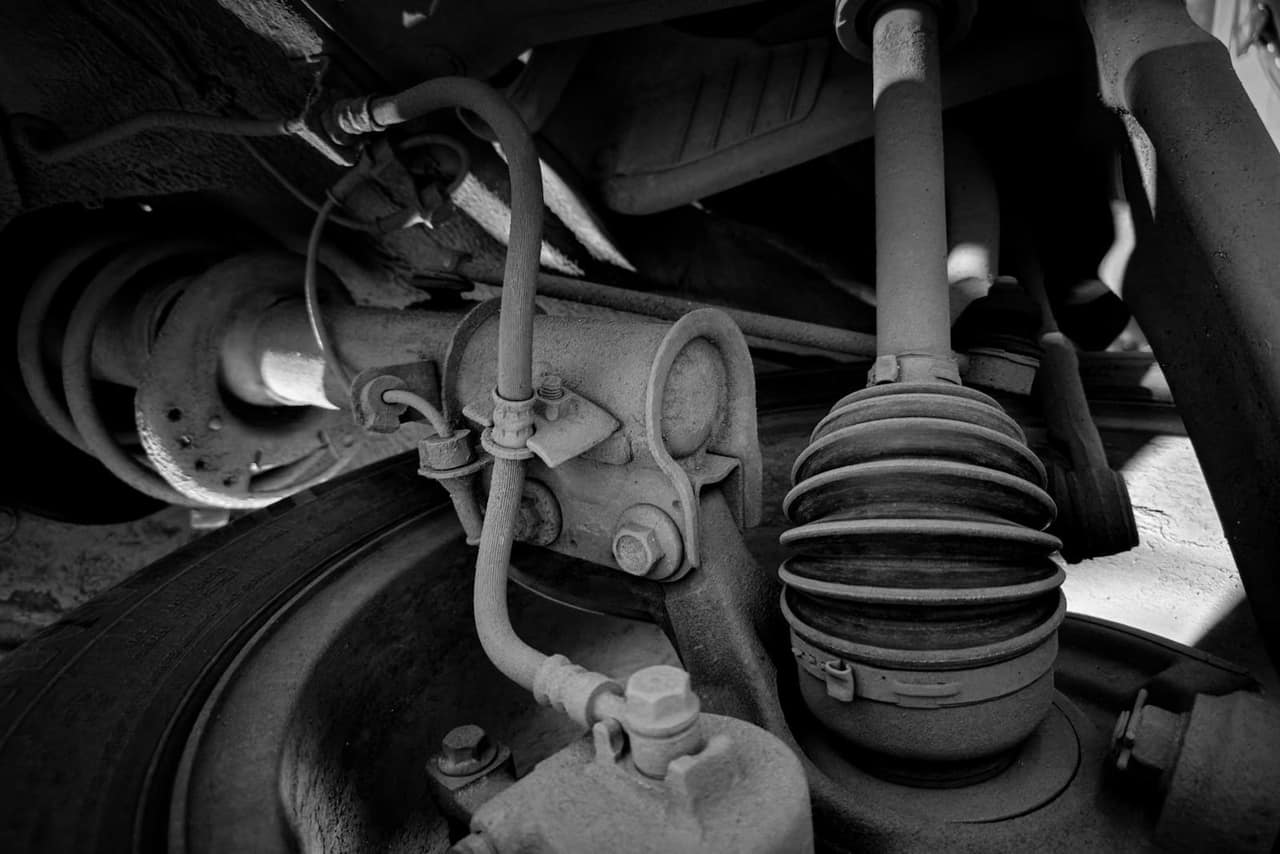
Single-mass vs dual-mass flywheel
First, let's clear up the difference between the two types, because it fundamentally shapes the decision to buy a used one.
Single-mass flywheel (SMF)
The classic flywheel is a single piece of solid metal (usually cast iron). Simple, tough and practically indestructible. Used in older cars and some simpler newer models.
Advantages of the single-mass flywheel:
- Practically cannot fail (unless you overheat it)
- Can be resurfaced (machined) and reused
- Cheap to buy, even new
- Does not need to be replaced when you change the clutch
The downside is that it transmits all engine vibrations to the gearbox, resulting in rougher running and more noise.
Dual-mass flywheel (DMF)
The dual-mass flywheel consists of two parts connected by springs and dampers. The primary part is bolted to the crankshaft, the secondary to the gearbox. The springs between them absorb engine vibrations and torsional shocks.
Advantages of the dual-mass flywheel:
- Significantly reduces vibrations and noise
- Protects the gearbox from torsional shocks
- Allows smooth gear changes
- Reduces fuel consumption (the engine can run at lower revs)
But here is the main weakness: the dual-mass flywheel wears out. Springs weaken, dampers degrade, and the flywheel starts to knock, shake and cause issues. And unlike the single-mass version, it cannot be repaired, only replaced.
Symptoms of a worn dual-mass flywheel
Here is how to spot a flywheel on its last legs:
- Vibrations at idle - the engine "shakes" while standing still, vibrations come through the steering wheel, clutch pedal or whole car
- Knocking on start-up and shut-down - characteristic metallic knock when you start or stop the engine
- Judder when pulling away - the car shudders when pulling off, especially in first gear
- Noise when changing gear - ticking or rattling during shifts
- Hard gear changes - the gearbox is reluctant to slot into gear, particularly first or reverse
- Vibrations under load - shakes that get worse when going uphill or towing a trailer
It is worth noting that many of these symptoms can have other causes (clutch, engine mounts, release bearing). That is why proper diagnosis matters before you decide to swap the flywheel.
Is buying a used flywheel a good idea?
And here is the million-euro question. Or rather, the few-hundred-euro question.
The answer depends on which type of flywheel we are talking about:
Used single-mass flywheel: YES
A single-mass flywheel is an excellent candidate for buying second-hand. Since it is a single piece of metal, the only things that can happen to it are surface wear or warping from excess heat. And that is easy to check visually.
Even a worn single-mass flywheel can be resurfaced (machined on a lathe) and end up as good as new. The cost of resurfacing is usually EUR 30 to 50.
Used dual-mass flywheel: CAUTION
This is where things get complicated. The dual-mass flywheel is a part that wears gradually, and it is impossible to know with certainty how much life it has left without specialist tools.
There are tools for measuring the angular play of a dual-mass flywheel (for example LuK Special Tools) that measure how worn the springs and dampers are. If the seller can show results of such a measurement, that is a good sign.
Realistically though, most used dual-mass flywheels are sold without any check, and that is where the risk lies. You can buy a flywheel that looks fine but is internally worn and will start causing problems in a few thousand kilometres.
Alternative: conversion to a single-mass flywheel
This option gets a lot of debate in car circles. Instead of replacing the dual-mass flywheel with a new (expensive) dual-mass one, you fit a single-mass flywheel with an uprated clutch.
Advantages of conversion:
- Single-mass flywheel is cheaper and lasts longer
- No future flywheel replacement costs
- A conversion kit (flywheel + clutch) costs EUR 200 to 400
Downsides of conversion:
- More vibration and noise, particularly at low revs
- Increased load on the gearbox
- Somewhat rougher engine operation at idle
- Possible issues with the technical inspection in some countries
For everyday driving, conversion is a perfectly workable option. Yes, you will feel a bit more vibration, but nothing dramatic. For new-car-level refinement, you will need a new dual-mass flywheel.
Flywheel prices
New dual-mass flywheel
- LuK/Sachs for VW 1.9 TDI: EUR 300 to 500
- LuK/Sachs for VW 2.0 TDI: EUR 350 to 600
- LuK for BMW N47: EUR 400 to 700
- Valeo for Renault 1.5 dCi: EUR 250 to 400
Used dual-mass flywheel
- VW 1.9/2.0 TDI: EUR 80 to 200
- BMW N47/N57: EUR 100 to 250
- Renault 1.5 dCi: EUR 60 to 150
- Mercedes OM651: EUR 100 to 250
Single-mass conversion kit
- Most popular models: EUR 200 to 400
On top of all these prices, add EUR 300 to 600 for fitting, since replacing a flywheel requires removing the gearbox.
When you change the flywheel, change the clutch too
This is a golden rule many people ignore and later regret. If you are already pulling the gearbox to change the flywheel, always replace the clutch too. The reason is simple: the labour (removing and refitting the gearbox) is the same, and a clutch kit costs EUR 100 to 250.
If you only swap the flywheel and the clutch goes a year later, you will have to drop the gearbox again and pay EUR 300 to 600 in labour. That is throwing money away.
The reverse is also true: if you are changing the clutch, think about the flywheel too, especially if it is a high-mileage dual-mass.
How to extend flywheel life
A few tips for a longer flywheel life, whether new or used:
- Don't ride the clutch - slipping the clutch for long periods generates heat that damages the flywheel
- Avoid hard starts - "burning rubber" is fun but expensive for the flywheel and clutch
- Don't lug the engine - driving at 1,200 rpm in fifth gear creates strong torsional shocks that kill a dual-mass flywheel
- Change gears smoothly - abrupt, rough shifts load the flywheel
- Don't tow heavy loads if the car isn't rated for it
Which flywheel you actually need
Buying a used flywheel makes sense for the single-mass versions which are almost indestructible. With dual-mass flywheels, the risk is higher and you need to weigh the saving against the risk carefully. Conversion to a single-mass flywheel is an option worth thinking about if you don't mind slightly more vibration.
Whatever you decide, always replace the flywheel and clutch together. Those extra EUR 100 to 200 for a clutch can save you EUR 500+ in labour for another removal later.
Need a used flywheel or clutch? Send a request to PoDi and get offers from vetted suppliers within a few hours.