
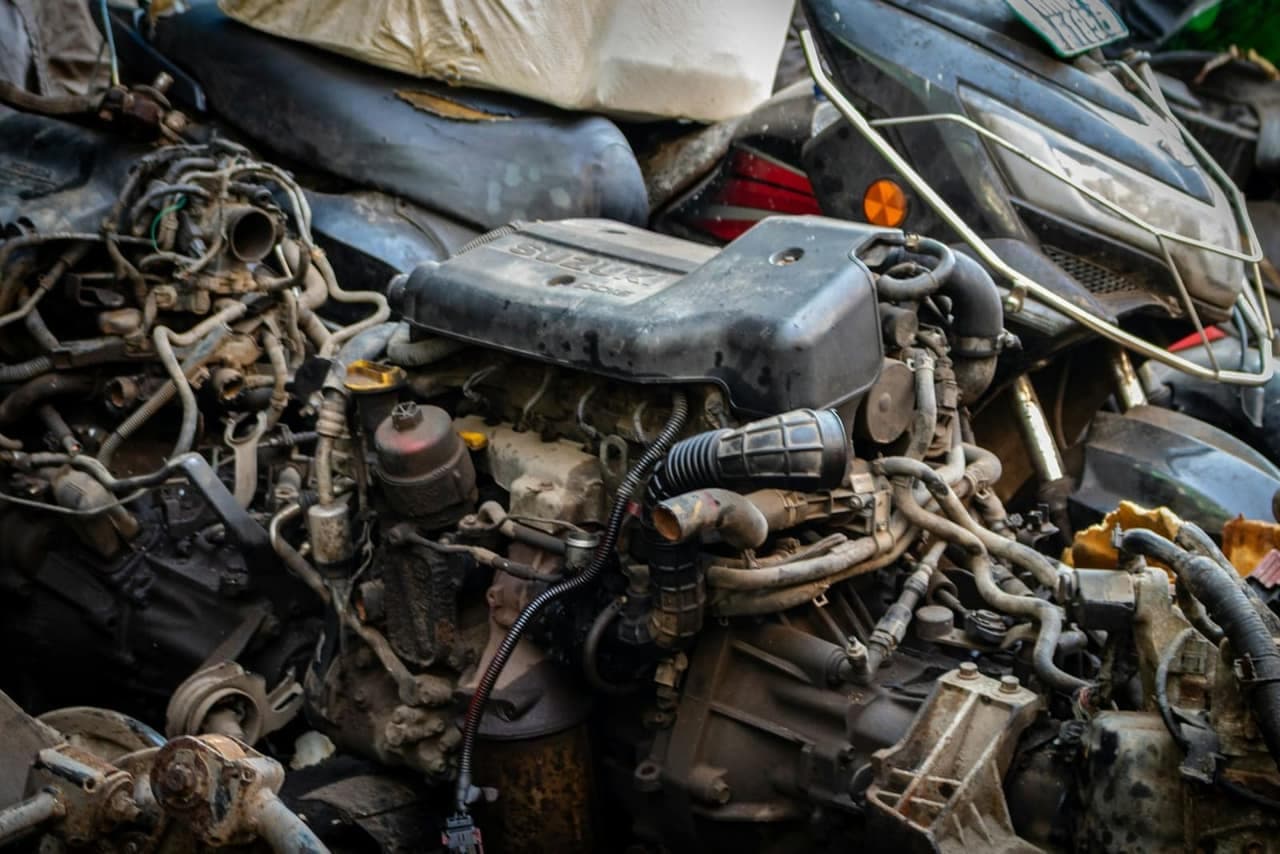
A turbocharger is a small but expensive part
When the turbo on your car gives up, you feel it straight away. The car loses power, smoke comes out of the exhaust, and in the worst case you hear that horrible metal-on-metal sound that tells you it is done. Then you go to the workshop and find out a new turbocharger costs EUR 1,000 to 3,000, plus fitting.
At that moment you start thinking about a used turbo. And that is a perfectly fair line of thinking. A used turbocharger can cost EUR 200 to 800, which is a serious saving. But the question is: is the risk worth it?
Honestly? It depends. And that is exactly what we are going to talk about in detail today. After this article, you will know everything you need to make a smart decision.
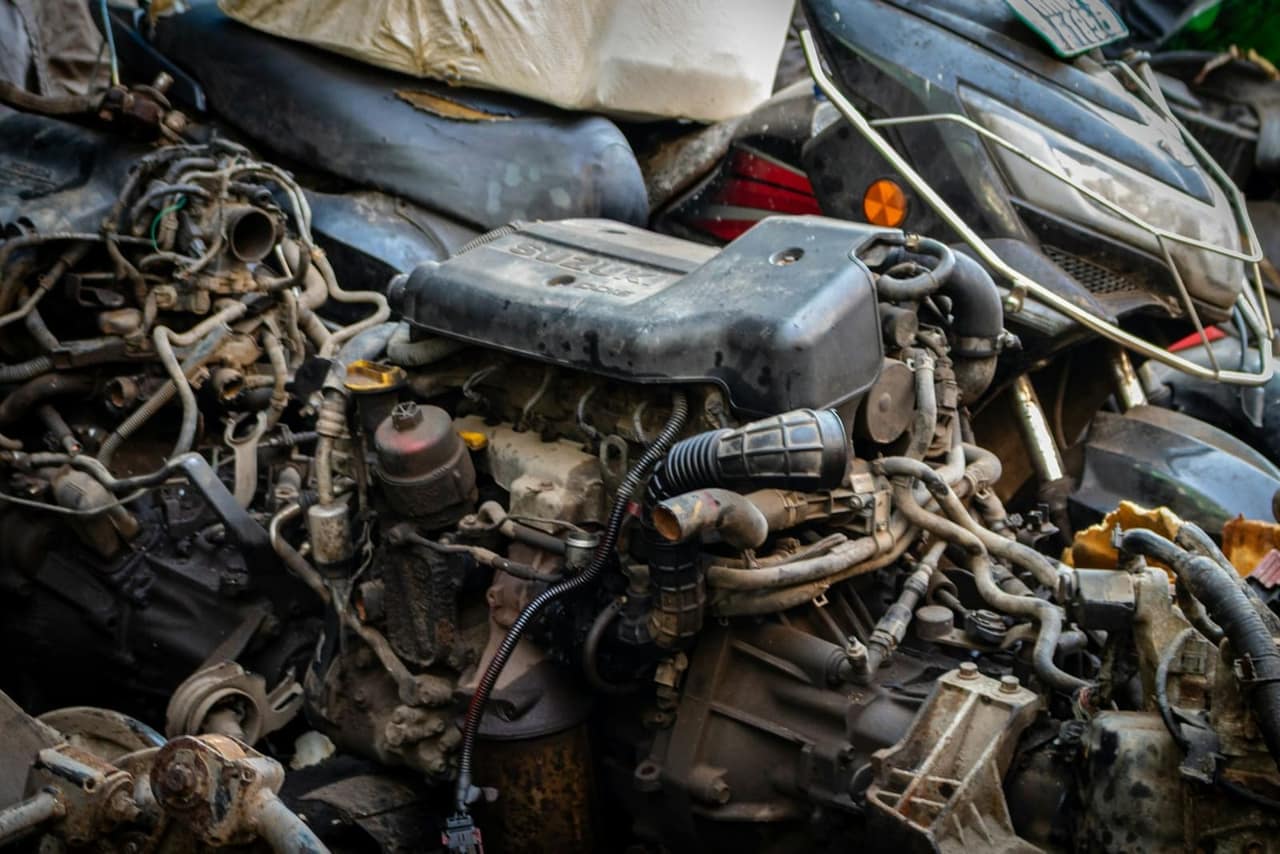
How does a turbocharger actually work?
To understand why buying a used turbo is a special case, you need to understand how a turbo works. At its core, a turbocharger is a device that uses the energy of exhaust gases to push more air into the engine. More air means more fuel, more fuel means more power.
A turbocharger has two main parts:
- Turbine wheel - sits in the exhaust side and is driven by the flow of hot exhaust gases. This wheel spins at 80,000 to as much as 250,000 revolutions per minute.
- Compressor wheel - connected to the same shaft as the turbine wheel and draws in and compresses fresh air going into the engine.
Between these two wheels sits the central part (CHRA - Center Housing Rotating Assembly) which contains the shaft and bearings. This part is lubricated by engine oil and cooled by coolant.
Once you take in that something is spinning 150,000 times a minute, you understand why precision and bearing condition matter so much. Even the smallest bearing damage or imbalance can lead to a catastrophic failure.
The most common reasons turbochargers fail
Before you buy a used turbo, it helps to know why turbochargers die in the first place. Because if the turbo on the car you are buying died for a reason that still exists, a new (or used) turbo will meet the same fate.
1. Lack of oil or poor oil
This is the number one killer of turbochargers. The turbo spins at enormous speed, and the only thing protecting it from self-destruction is a thin film of oil on the bearings. When there is not enough oil, or the oil is old and degraded, the bearings overheat and get destroyed.
Even a brief oil starvation, for example when starting the engine before oil has reached the turbo, can leave lasting damage.
2. Foreign objects in the intake or exhaust
A small piece of plastic, a screw, or even sand getting into the intake system can damage the compressor wheel blades. In the same way, broken pieces of the catalytic converter can damage the turbine wheel.
3. Overheating
If you shut the engine off right after intensive driving, the oil in the turbo can "cook" and create deposits that block oil flow. That is why it is important to let the engine run at idle for 30 to 60 seconds before shutting down, especially after faster driving.
4. Worn VGT mechanism
On variable geometry turbos (VGT/VNT), the mechanism that controls the vanes can seize up due to soot and deposits, especially on diesels that mostly do short city runs.
What to check on a used turbocharger
Here are the concrete steps for checking a used turbo:
Axial and radial play
This is the most important check. Grab the turbo shaft and try to move it up and down (radially) and side to side. Then try to move it forwards and backwards (axially).
- Radial play - a small movement is normal (up to 0.05 mm), but if the shaft moves noticeably, the bearings are worn
- Axial play - there should be almost no movement. If you feel axial play, the turbo is scrap.
Condition of the blades
Look at the compressor wheel blades (cold side). They should be clean, without damage, scratches or bent tips. Any scratch on the blades means something passed through the compressor, and that is never a good sign.
The turbine wheel (hot side) is harder to inspect because it is often covered in soot deposits, but look there too for visible damage or missing pieces of blade.
Housing
Check the turbo housing for cracks, especially on the exhaust side which is exposed to high temperatures. Also check the oil and coolant connections. If they are damaged or worn, they can cause leaks after fitting.
VGT mechanism
If the turbo is variable geometry (most modern diesels), check that the VGT mechanism moves freely. The lever or actuator that controls the vanes should move smoothly without catching. A seized VGT is one of the most common problems with used turbochargers.
Traces of oil
A small amount of oil on the compressor side can be normal on an older turbo, but significant quantities of oil point to worn shaft seals. This is a problem that will only get worse.
Prices of used turbochargers
Here is an overview of prices for the most popular turbochargers:
- Garrett GT1749V (1.9 TDI VW): EUR 150 to 350
- Garrett GTB1749V (2.0 TDI VW CR): EUR 250 to 500
- BorgWarner K03 (1.8/2.0 TFSI): EUR 200 to 400
- BorgWarner BV39/43 (1.5/1.6 dCi Renault): EUR 150 to 300
- Mitsubishi TD04 (BMW N47/N57): EUR 300 to 600
- IHI (various Japanese engines): EUR 200 to 450
For comparison, a new turbocharger for the same models costs EUR 600 to 2,000, and a rebuilt one EUR 400 to 1,200.
Used vs. rebuilt turbocharger
This is a question many people ask, and it deserves an honest answer.
A rebuilt (reconditioned) turbo is a used turbo that has been professionally stripped, cleaned, and had its worn parts (bearings, seals, sometimes the wheels too) replaced. After the rebuild, the turbo is balanced on a machine and tested. It comes with a warranty of 6 months to 2 years.
A used turbo is a turbo pulled from another car and sold as is, with no work done. The price is lower, but you have no guarantee it will last.
My honest view? For turbochargers, a rebuilt turbo is often a better investment than a used one. The price difference is EUR 100 to 300, but you get a warranty and peace of mind. A turbo works in extreme conditions, and the risk with a completely unchecked used turbo is greater than with some other parts.
But if you find a used turbo with low mileage, known origin and the option to inspect it, that is also a perfectly good option.
Fitting a turbocharger
Replacing a turbo is not an overly complicated job for an experienced mechanic, but there are some things that absolutely have to be done:
- Oil and filter change - fresh oil must go in before the engine is started with the new turbo
- Check the oil feed - the oil feed pipe to the turbo must be clean and unblocked. Replacing it is even recommended.
- Check the oil return - the return pipe from the turbo to the sump must be clear
- Pre-lubrication - before the first start, the turbo should be filled with oil through the feed port
- Check the intake system - all hoses, the intercooler and the air filter must be clean and undamaged
- Check the exhaust system - the catalytic converter and DPF need to be in good shape because if they are blocked they can damage the new turbo
The cost of fitting a turbo is usually EUR 200 to 500, depending on the car model and how accessible the turbo is.
When a used turbo definitely pays off
There are situations where a used turbo is an excellent choice:
- Low-value car - if your car is worth EUR 2,000 to 3,000, a new EUR 1,500 turbo makes no economic sense
- Temporary fix - you need the car for another 6 to 12 months until you buy a new one
- Known origin - you know the turbo comes from a car that had a different kind of failure (e.g. body damage) and the turbo is healthy
- Low source mileage - a turbo from a car with 60,000 km still has plenty of life left in it
Where to find a used turbocharger
Besides classic scrapyards and online listings, one of the easier ways is to send a request through the PoDi platform. You enter the details of your car, describe the part you need, and compare offers from several suppliers. That way you can compare prices, warranty terms and delivery without phoning around and driving to scrapyards.
When a used turbo makes sense, and when it does not
A used turbocharger can be a smart buy, but it requires more care than many other used parts. The key is a thorough check of play, blade condition and the VGT mechanism. If you have any doubt, a rebuilt turbo is the safer option for a price difference that is often not dramatic.
Whatever you decide, always use a reliable mechanic for fitting and make sure to change the oil and check the oil feed system. A turbo that is correctly fitted and lubricated can last hundreds of thousands of kilometres more.