
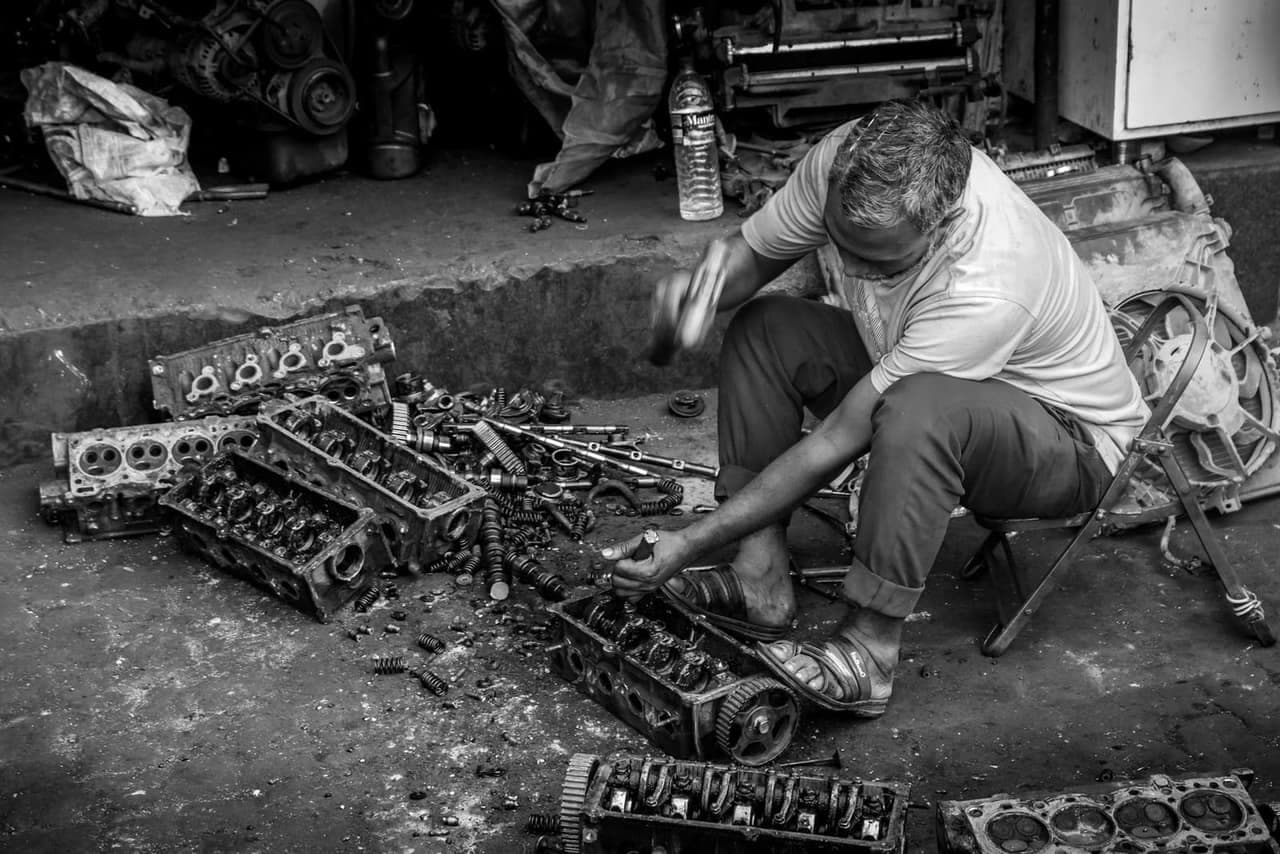
The gearbox is the heart of the drivetrain
If the engine is the heart of the car, the gearbox is definitely the backbone. Without a working gearbox, all that engine power is pointless because it cannot get to the wheels. And when a gearbox starts to play up, driving becomes a nightmare.
The problem is that fixing a gearbox, especially an automatic, can cost a fortune. We are talking EUR 1,500 to 4,000 for a professional rebuild of an automatic gearbox. And that brings us to the question you have probably already asked yourself: would it be cheaper to buy a used one?
The answer, in most cases, is yes. But there is plenty you need to know before you head down that route. And that is exactly what we are talking about today.
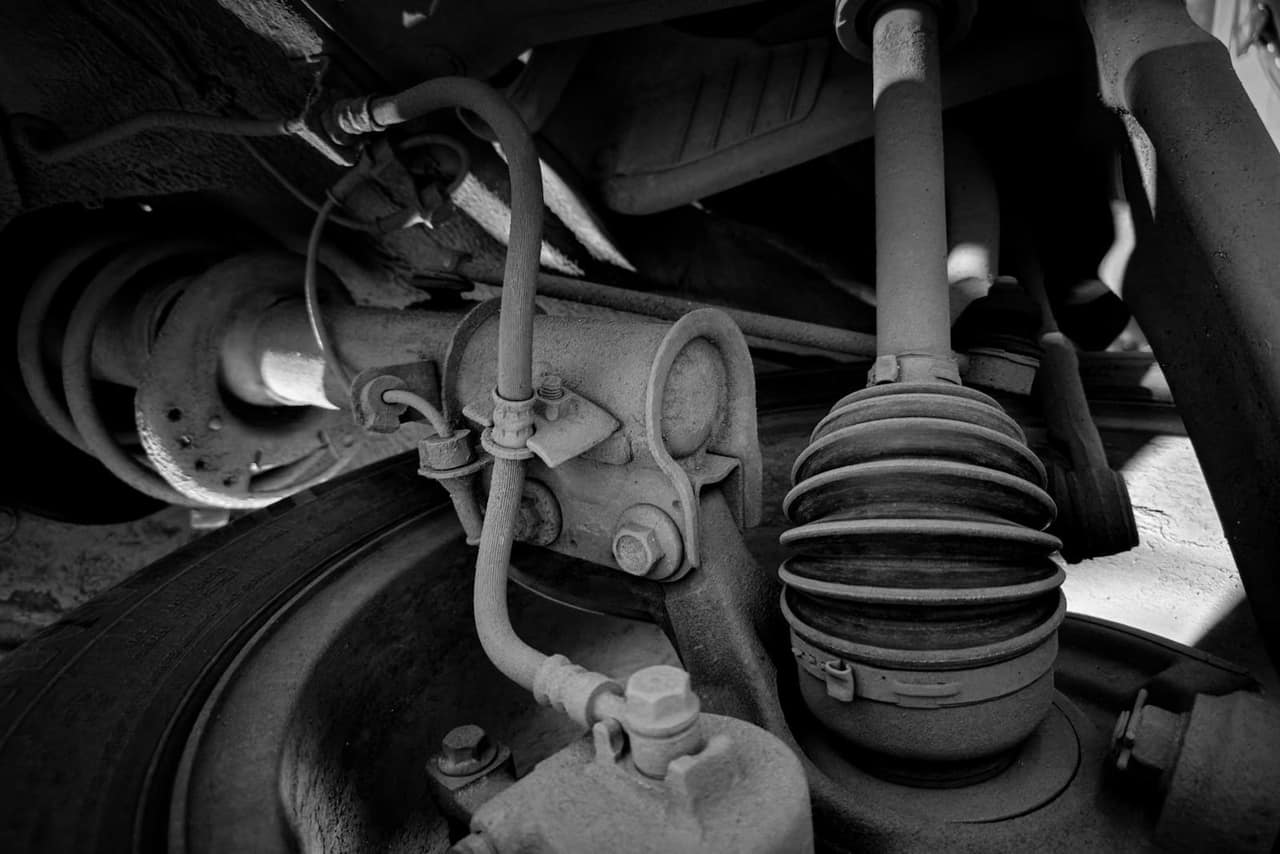
Types of gearbox and their quirks
Before we get into buying, let's quickly run through the types of gearbox you will meet on the market. Each type has its strengths, weaknesses and specific issues.
Manual gearbox
The classic gearbox with a lever and a clutch pedal. This is the simplest and cheapest type to buy and repair. Manual gearboxes are generally very tough and can last the whole life of a car if used properly.
The most common problems with used manual gearboxes:
- Worn synchros - the gearbox "grinds" or struggles to engage a gear, especially second or third
- Worn bearings - noise when running, especially at idle
- Oil leaks - worn seals, particularly on the output shaft
- Damaged gears - rare, but it happens with aggressive driving
Classic automatic gearbox (torque converter)
The traditional automatic with a torque converter. These gearboxes are tougher than many people think, but they are more complex and more expensive to repair. Well-known examples are the ZF 6HP and 8HP units used in BMW, Audi and many other brands.
What to watch for with a used automatic:
- ATF fluid - the colour and smell of the automatic gearbox oil tells you a lot. It should be red or dark red. If it is brown or black and smells burnt, the gearbox is heavily worn.
- Jolting between gears - an automatic should shift smoothly and almost imperceptibly. If you feel jolts or delays, that is a bad sign.
- Leaks - automatic gearboxes are known for leaking at the joints and the casing seal
DSG / DCT (dual clutch)
Dual-clutch gearboxes, like Volkswagen's DSG, are popular because they combine the comfort of an automatic with the efficiency of a manual. But they also have specific issues that make them riskier to buy used.
VW DSG gearboxes come in two variants:
- DQ200 (7-speed, dry clutch) - known for issues with the mechatronic unit and the clutch. This is probably the most problematic gearbox in its class. A mechatronic repair can cost EUR 1,000 to 2,000.
- DQ250 (6-speed, wet clutch) - significantly more reliable than the DQ200, but still requires regular oil changes every 60,000 km.
CVT (continuously variable)
CVT gearboxes do not have classic gear ratios, they use a belt or chain on conical pulleys. They are popular with Japanese makers (Nissan, Toyota, Honda). As a used purchase they are risky because it is hard to assess the state of the belt or chain without dismantling.
How to check a used gearbox
Now we get to the practical advice. Here is, step by step, what to do before you pay for a used gearbox.
Checks before buying
If you are buying a gearbox that has already been removed from the car, your inspection options are limited, but you can still learn a lot:
- Turn the input shaft by hand - it should turn smoothly, without binding or unusual noises
- Check the oil - drain a little oil and look at the colour. Shiny metallic dust in the oil is normal in small amounts, but metal flakes or black oil is a bad sign.
- Visual check of the casing - cracks, damage or signs of leaking on the gearbox housing
- Check all connections - sensor connectors, oil cooler hoses, mounting bolts
Checks on the vehicle (if possible)
If you have a chance to try the gearbox while it is still in a vehicle, here is what to pay attention to:
- Cold start - how does the gearbox behave when cold? Some issues only show up on a cold engine.
- All gears - try every gear, including reverse. Each one should engage smoothly.
- Driving uphill - load reveals problems you cannot see on the flat
- Quick shifts - on an automatic, try faster shifts and kickdown
Prices of used gearboxes
Prices vary depending on type and model, but here is a rough overview:
Manual gearboxes
- VW/Skoda 1.6 TDI, 5-speed: EUR 300 to 600
- VW/Audi 2.0 TDI, 6-speed: EUR 400 to 800
- BMW 2.0d, 6-speed: EUR 500 to 900
- Renault 1.5 dCi, 5/6-speed: EUR 250 to 500
Automatic gearboxes
- ZF 6HP (BMW/Audi): EUR 800 to 1,500
- ZF 8HP (BMW/Audi/Jaguar): EUR 1,000 to 2,000
- DSG DQ200 7-speed: EUR 600 to 1,200
- DSG DQ250 6-speed: EUR 700 to 1,400
- Mercedes 7G-Tronic (722.9): EUR 800 to 1,800
On top of these prices add installation, which costs EUR 300 to 800 for a manual, and EUR 500 to 1,500 for an automatic.
Manual or automatic: which is better to buy used?
This is a question that comes up often, and the answer is not as clear-cut as you might think.
A manual gearbox is the safer buy. The reason is simple: manuals are mechanically simpler, have fewer parts that can fail, and are easier to check before purchase. Even if there is a minor issue, the repair is usually cheaper.
An automatic is a bigger risk but also a bigger saving. A new or rebuilt automatic costs a fortune, so the price gap to a used one is significant. But the risk is also higher because it is harder to check all the components without dismantling.
My advice? If you are buying a used automatic, spend a little more on a vetted supplier with a warranty. A difference of EUR 200 to 300 in price is nothing compared with the risk of getting a gearbox that will not last a month.
What to replace when fitting a used gearbox
While you are replacing the gearbox, take the chance to swap everything that is otherwise hard to get to once the gearbox is back in place:
- Clutch (on a manual) - friction plate, pressure plate and release bearing. Since you are already removing the gearbox, the clutch swap costs only the price of the parts because the labour is already included.
- Flywheel - especially a dual-mass flywheel, which wears in step with the clutch anyway
- Oil seals and gaskets - all the seals at the joints between the gearbox, the engine and the driveshafts
- Gearbox oil - always put in fresh oil of the correct specification
- Sensors - if accessible, speed and position sensors are cheap and are often the cause of issues
Issues specific to particular gearboxes
Some gearboxes have well-known issues you should be aware of:
- VW DSG DQ200 - mechatronic unit, worn clutches, judder on take-off. Avoid examples with high mileage and no proof of a clutch replacement.
- Renault DP0/AL4 - one of the most problematic automatic gearboxes ever. Well-known issues with the solenoid valves. Avoid if you can.
- Ford Powershift (DPS6) - similar issues to the DSG DQ200, problems with the clutches and mechatronics.
- BMW ZF 6HP - usually reliable, but requires regular oil changes. Examples where the oil has never been changed are risky.
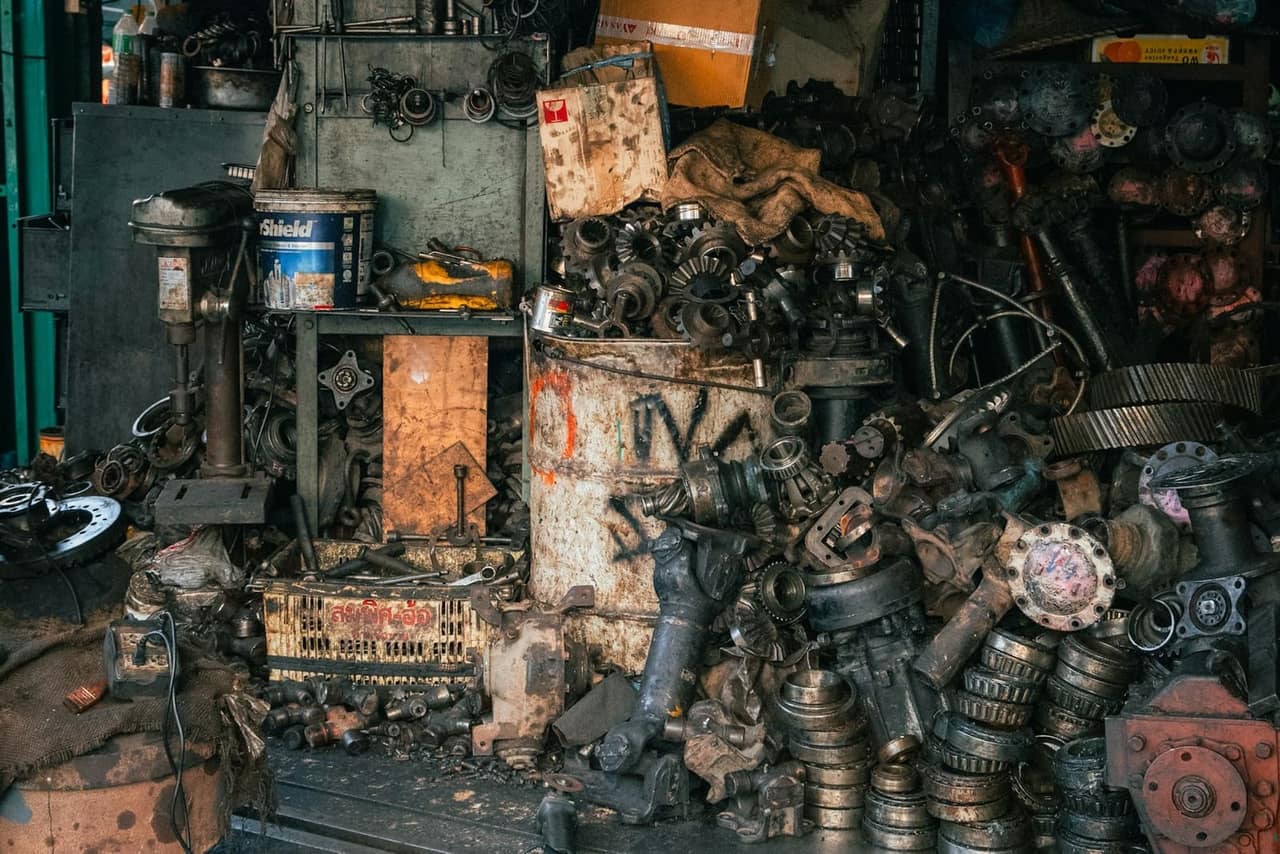
Where to buy a used gearbox
There are plenty of options, but they all boil down to a few categories:
- Scrapyards - the cheapest option, but with the least warranty
- Specialist parts shops - mid-range pricing, often with a 30 to 90 day warranty
- Online platforms - wide selection, but you need to be careful with sellers
- The PoDi platform - send a request and compare offers from multiple vetted suppliers, including prices and warranty terms
Wherever you buy, look for a gearbox with known mileage and, ideally, some form of warranty. That extra EUR 100 to 200 for a warranty can save you thousands if something goes wrong.
When a used gearbox really pays off
Buying a used gearbox is a good way to save, especially with pricier automatics where the gap to new or rebuilt is large. The key to success is a thorough check, picking a reliable supplier and professional installation.
Do not rush the decision, compare a few offers, and if you are not sure, ask a mechanic for advice. Need a gearbox for your car? Send a request via the PoDi platform and compare supplier offers.