
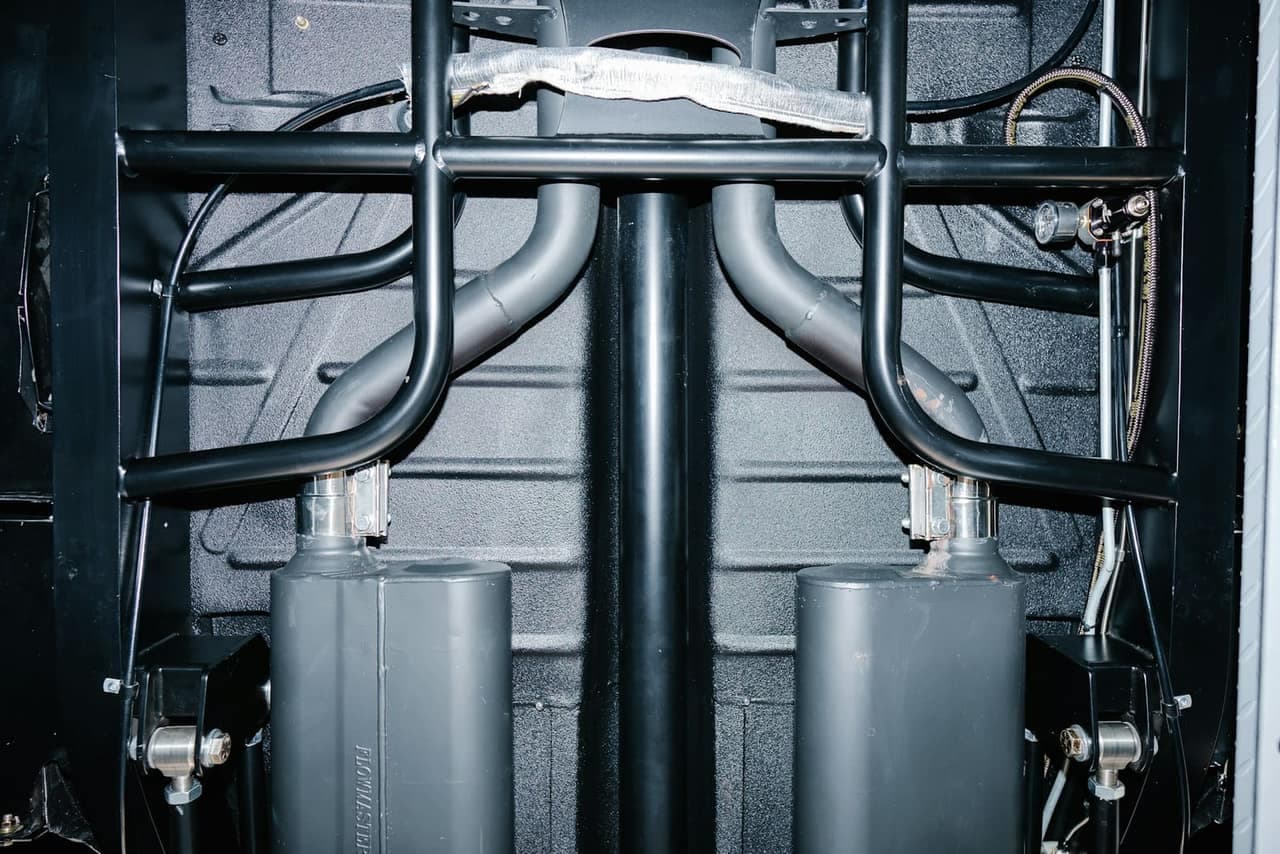
The exhaust system: more than just a "smoke pipe"
When most people think of the exhaust system, they picture a pipe that puffs smoke at the back of the car. But a modern exhaust system is actually a highly sophisticated assembly that manages exhaust gases, cuts emissions, dampens noise and even affects engine performance.
In a modern exhaust system you have the exhaust manifold, the turbocharger (on turbo engines), the catalytic converter, the DPF filter (on diesels), the centre and rear silencers, and a number of sensors. Each of these parts has its own function and its own price.
When something in the exhaust system fails, the repair can be expensive. Especially cats and DPF filters, which are the most expensive parts. That is why the market for used exhaust parts is large, and in this guide we will go through everything you need to know about buying second-hand.
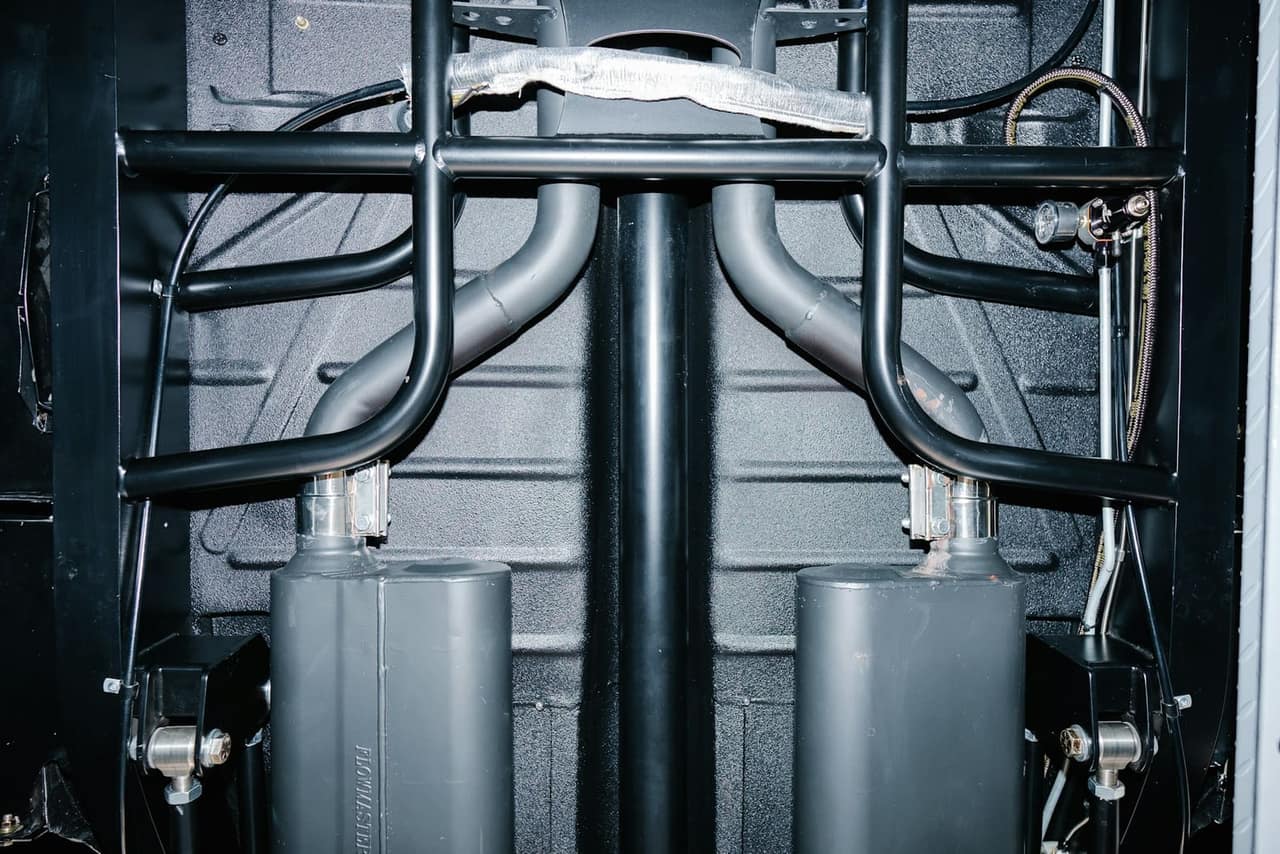
Parts of the exhaust system
Let's first run through all the parts of the exhaust system and what each one does:
Exhaust manifold
The exhaust manifold collects exhaust gases from all the cylinders and directs them into one pipe. Made of cast iron or stainless steel. On turbo engines, the manifold is connected directly to the turbocharger.
Most common problems: cracks (especially on cast iron), leaks at the gaskets, seized bolts and nuts that get "baked on" by heat.
Catalytic converter
The catalytic converter is a device that turns harmful gases (CO, HC, NOx) into less harmful ones (CO2, H2O, N2). Inside it is a ceramic or metal honeycomb structure coated with precious metals (platinum, palladium, rhodium).
It is those precious metals that make catalytic converters expensive. A new original cat can cost 500 to 2,000 euros, and for some cars more.
DPF (Diesel Particulate Filter)
The DPF is a filter that traps soot particles from the exhaust gases of a diesel engine. It regenerates (cleans itself) periodically by the ECU raising the exhaust temperature and burning off the accumulated soot.
The DPF is one of the most expensive parts of the exhaust system. A new DPF costs 600 to 2,500 euros, and for some premium cars more than 3,000 euros.
Lambda sensors (oxygen sensors)
Lambda sensors measure the amount of oxygen in the exhaust gases and send the data to the ECU, which adjusts the fuel-air mixture based on that. Modern cars have two to four lambda sensors.
Centre and rear silencers
Silencers reduce the noise of the exhaust gases. The centre silencer (resonator) eliminates specific frequencies, and the rear silencer provides the final damping. These are relatively cheap parts and are rarely bought used because new ones are affordable.
Cats: used, new or replacement?
The catalytic converter is the part of the exhaust system most often sought used, for the obvious reason: price. But there are some specifics you should know.
Why cats are expensive
Cats contain precious metals: platinum, palladium and rhodium. The prices of these metals fluctuate on the world market, but they are generally extremely expensive. Rhodium, for example, can cost 5,000 to 15,000 euros per ounce.
That is exactly why cats are a frequent target of theft. Thieves cut them off parked cars in minutes and sell them on the black market for the metal value.
When a cat needs replacing
A cat can last 150,000 to 250,000 km, sometimes more. But certain factors speed up its wear:
- Bad injectors - unbalanced fuel injection damages the cat
- Faulty spark plugs - unburnt fuel reaches the cat and burns there, overheating it
- Oil leaking into a cylinder - oil burning in the cylinder fouls the cat
- Mechanical damage - impacts from below can damage the ceramic core
- Poor fuel - fuel with a high sulphur content damages the precious metal coating
Symptoms of a bad cat include the engine warning light, reduced power, a rotten-eggs smell (sulphur), and a drop in performance.
Checking a used cat
- Shake test - shake the cat. If you hear rattling inside, the ceramic core is cracked or breaking up. Do not buy it.
- Look inside - shine a light inside and check that the honeycomb structure is undamaged and unblocked in any way
- Airflow - blow through the cat. It should let air through with moderate resistance. If almost nothing passes through, it is blocked.
- Exterior condition - check for dents, holes or serious corrosion on the housing
DPF: used, cleaned or new?
The DPF is special because it can be cleaned, and that is often a better option than buying used.
Professional DPF cleaning
Professional cleaning of a DPF filter (thermal or chemical) costs 150 to 400 euros and can restore the filter to 90 to 95% of its original capacity. This is often the best option because:
- It is cheaper than a new or used DPF
- Your filter is compatible with your car (no risk of incompatibility)
- A well-cleaned DPF can last another 80,000 to 100,000 km
When cleaning is not an option
The DPF needs replacing when it is physically damaged (cracked ceramic), when it is so clogged that cleaning will not help, or when the DPF is integrated with the cat (FAP system on some makes) and the cat is worn out.
Checking a used DPF
- Weight - a DPF full of soot is heavier than a clean one. Compare with the weight of a new one if possible.
- Visual check - look inside. The honeycomb structure must be intact, without cracks or missing parts.
- Flow - does air pass through when you blow? A completely clogged DPF lets almost nothing through.
- Sensor connections - the connections for the pressure and temperature sensors must be undamaged
Prices of used exhaust parts
Cats
- VW/Skoda/Seat petrol: 80 to 250 EUR
- BMW petrol: 100 to 350 EUR
- Audi/VW TDI: 100 to 300 EUR
- Mercedes petrol/diesel: 120 to 400 EUR
DPF filters
- VW 1.6/2.0 TDI: 150 to 400 EUR
- BMW N47/N57: 200 to 500 EUR
- Renault 1.5 dCi: 100 to 300 EUR
- Peugeot/Citroen HDi: 120 to 350 EUR
Exhaust manifolds
- Most models: 50 to 200 EUR
Lambda sensors
- Used: 15 to 50 EUR (but we recommend new since they are relatively cheap: 30 to 80 EUR)
Legal rules
This is an extremely important point that many people ignore. The exhaust system is regulated by law, and some modifications are illegal.
- Removing the cat - illegal on vehicles for public roads. The car will not pass the roadworthiness test without a working cat.
- Removing the DPF - also illegal. Fines can be significant, and the vehicle will not pass the emissions test.
- Replacement (aftermarket) cat - legal if it meets the Euro standards for the vehicle. Replacement cats are cheaper than originals, but must have the proper certificate.
Buying a used cat or DPF is completely legal, provided the part works properly and the vehicle passes the emissions test at the roadworthiness check.
Replacement (aftermarket) vs used original
For cats and DPFs, this is a relevant choice:
Aftermarket cat (new, non-original):
- Price: 150 to 400 EUR for most models
- Pros: a new part with a warranty
- Cons: often shorter service life and less precious metal than in the original
Used original cat:
- Price: 80 to 400 EUR depending on the model
- Pros: original quality, more precious metals
- Cons: unknown remaining life
For most situations, an aftermarket cat with a certificate is the most sensible choice. But for older or rare models where aftermarket options do not exist, a used original is the only option besides a new original (which is often unreasonably expensive).
Fitting exhaust parts
Replacing exhaust parts is often made difficult by one issue: seized bolts. The exhaust system runs at high temperatures and is exposed to moisture, salt and corrosion. Bolts and nuts get "baked on" and are almost impossible to undo without breaking.
So leave the fitting of exhaust parts to a mechanic who has the right equipment (gas torch, impact wrenches, cutters) and experience with this work.
Fitting prices:
- Cat: 100 to 300 EUR
- DPF filter: 150 to 400 EUR
- Exhaust manifold: 100 to 250 EUR
- Full exhaust system: 200 to 500 EUR
Tips for a longer exhaust system life
- Regular longer drives - short trips do not heat the exhaust system enough, which speeds up internal corrosion and prevents DPF regeneration
- Quality fuel - less sulphur and fewer contaminants means less stress on the cat
- A healthy engine - an engine running properly does not overload the exhaust system
- Anti-corrosion protection - annual undercoating with anti-corrosion treatment protects the exhaust system too
- React in time - if you hear an exhaust leak, fix it straight away. A leak letting hot gases out can damage surrounding parts.

The exhaust system: used, rebuilt or aftermarket
The exhaust system is expensive to repair, especially when cats and DPF filters are involved. Used parts can mean significant savings, but they require careful checking. For a DPF, professional cleaning is often a better option than buying used. For cats, an aftermarket replacement with a certificate is a solid compromise between price and quality.
Need a cat, a DPF or any exhaust part? Send a request on PoDi and you will get offers with prices and warranties from verified suppliers. Quick, simple, and stress-free.