
Small parts that make a big difference
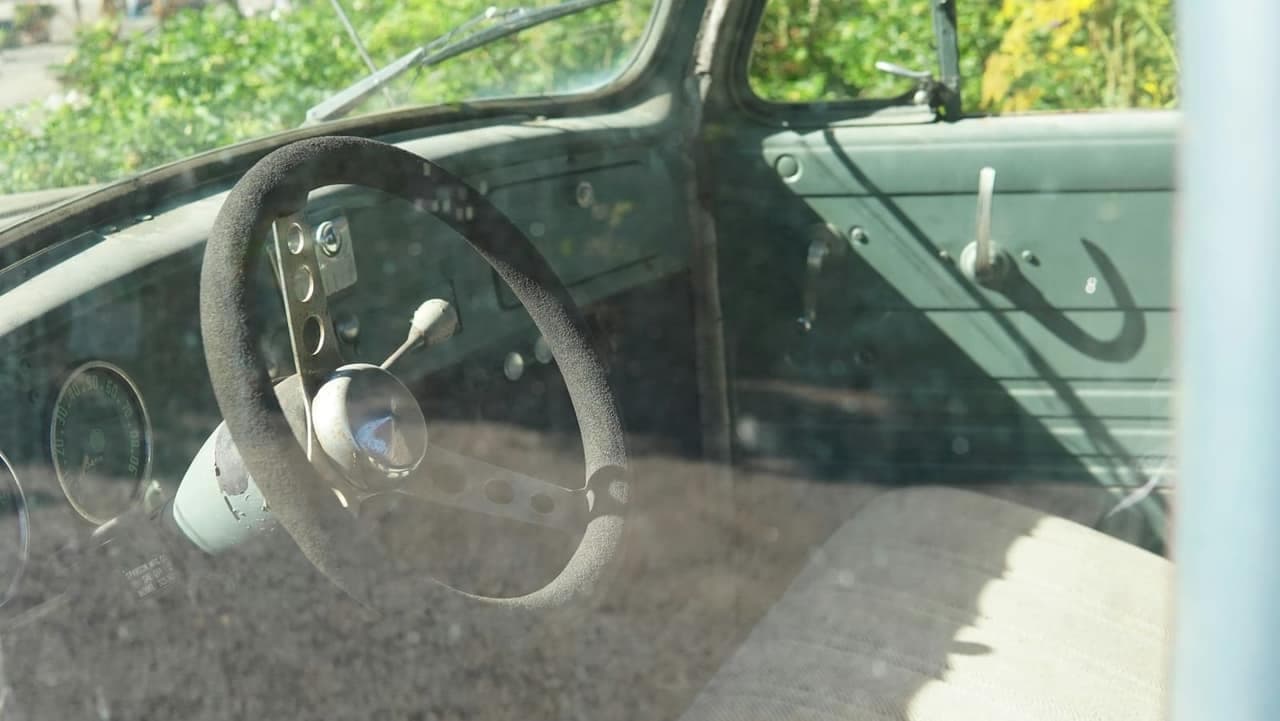
When we talk about car interiors, everyone immediately thinks of seats, the steering wheel, the dashboard. But there are small parts you touch every time you drive that few people think about until they wear out or break. The accelerator, brake and clutch pedals. The shift knob you hold every time you change gears. The handbrake lever you pull every time you park. These parts are in constant contact with your hands and feet, and over time they inevitably wear.
The good news is that these are some of the cheapest parts to replace, especially when you buy them used. And the difference between worn and fresh pedals or a shift knob is huge, both in feel and in the look of the interior.
Pedals: Rubber, metal and everything in between
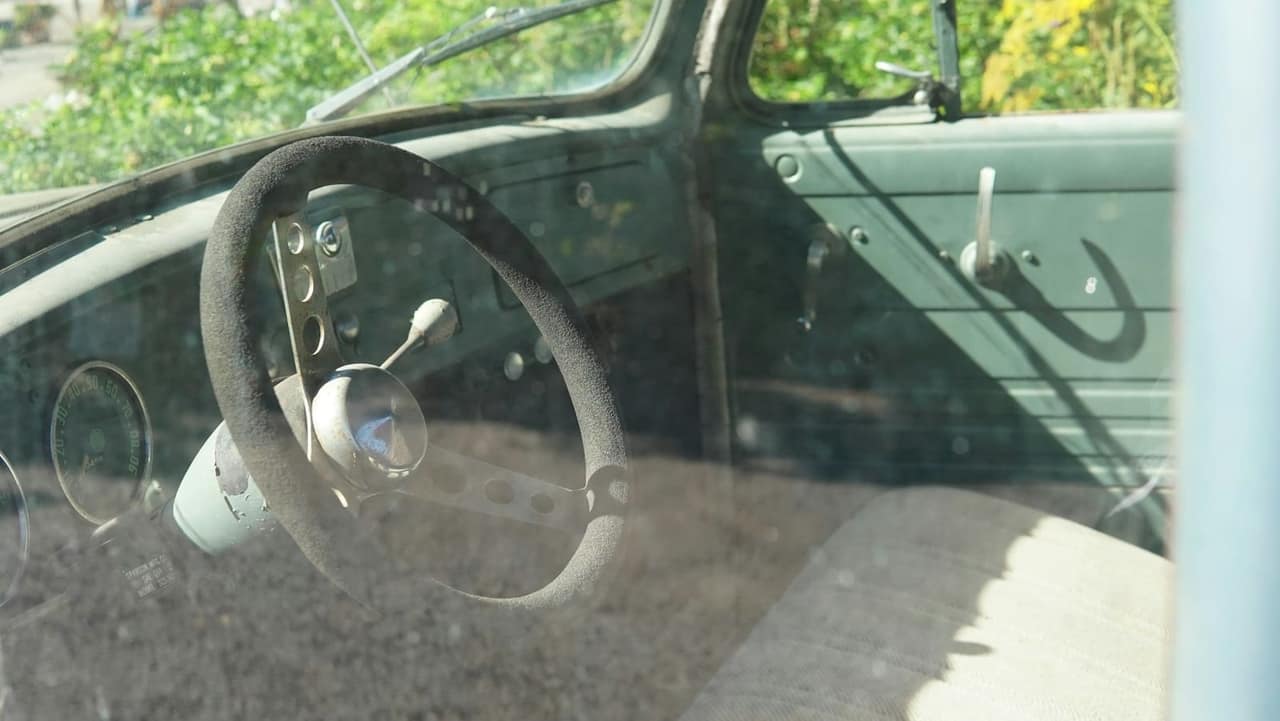
Pedals are a part of the car that take constant load. Every time you brake, give it gas, or press the clutch, the pedal takes the force of your foot. Over time, the rubber covers wear out, become smooth, and lose grip. And a pedal without grip is dangerous because your foot can slip at a critical moment.
Types of pedals
There are two basic pedal types by cover material. Rubber pedals are standard on most cars. The rubber cover slips onto the metal pedal base and can be removed and replaced separately. Over time the pattern on the rubber wears down and the pedal becomes smooth. Metal pedals (aluminium or steel) are typical of sport packs and sports cars. They are more durable than rubber ones because metal does not wear so quickly, but they can be slippery when wet, so they usually have rubber inserts or a textured surface.
Used rubber pedal covers cost 5 to 15 euros for a set, while sport metal pedals from an M Pack, S-Line, or GTI model cost 20 to 60 euros used. New sport pedals can cost 80 to 200 euros, so the saving with used is significant.
Replacing rubber pedal covers
This is literally the simplest job on the car. You take off the old rubber cover by pulling it off the pedal (sometimes it takes a bit of force because they fit tightly). You slip the new cover onto the pedal and that is it. No bolts, no tools, nothing. Five minutes of work that dramatically improves safety and driving feel.
Fitting sport pedals
Sport metal pedals are fitted differently. They usually screw over the existing pedals or the entire pedal assembly is replaced. On some models (BMW, Audi), sport pedals are a "clip-on" type that simply clips onto the existing pedal. On others, you have to drill holes and bolt the new pedal in. The job takes 30 to 60 minutes.

Shift knob: A detail that changes everything
The shift knob is the part of the car you hold in your hand every time you change gears. With a manual gearbox, that is literally hundreds of times per drive. With an automatic, less, but still enough for the material to wear over time.
Shift knob materials
Shift knobs come in various materials. Plastic knobs are standard on most cars. Cheap to produce, but they quickly wear and lose texture. Leather knobs are a step above plastic. Leather offers a better grip and a nicer feel, but wears over time at the contact point. Aluminium knobs are typical of sport models. Durable, resistant to wear, but they can be cold in winter and hot in summer. Wood is rare but appears on some luxury models. Wooden knobs give a classic, elegant look but require maintenance.
Replacing the shift knob
On most manual gearboxes, the knob simply unscrews from the shifter (threaded connection) or pulls up (clip or pin). The job takes literally 30 seconds. Just unscrew the old, screw on the new. The only thing to watch is the thread diameter because different manufacturers use different sizes.
On automatic gearboxes, the situation is a bit different. The knob is usually part of a larger assembly that includes the lock-out mechanism (you have to hold the brake to move from P to D), so replacement can be a bit more complex. But it is still a job of 15 to 30 minutes.
Shift knob upgrade
Replacing the shift knob is one of the most popular minor interior upgrades. Fitting a sport knob from a GTI onto an ordinary Golf, or an M knob onto a standard BMW, completely changes the feel of changing gears and the look of the console. A used sport knob costs 15 to 50 euros, while new can cost 60 to 150 euros.
Handbrake lever: Safety and style in one
The handbrake lever, or what many call the "handbrake", is part of the interior that gets used less than the pedals or shift knob, but it wears too. The leather on the lever fades, the release button can stop working, and the mechanism itself can wear.
Classic vs. electronic handbrake
Older cars have a classic mechanical handbrake lever with a steel cable that tightens the rear brakes. Newer cars increasingly have an electronic handbrake activated by a button. If your car has a classic lever, replacement is simple and used parts are cheap. If it has an electronic one, there is not much to change because it is just a button on the console.
Replacing the handbrake lever cover
On a classic handbrake, the lever cover (leather or rubber) can be replaced separately from the mechanical part. Take off the old cover (usually held by a clip or glued), fit a new one. A used leather cover costs 10 to 25 euros, new 30 to 80 euros.
If you want to replace the whole lever (e.g. fit a sport lever from a GTI or M Pack), the job is a bit more complex because you have to disconnect the steel cable and adjust brake tension after fitting. That is a job for someone with experience because an improperly adjusted handbrake is a safety risk.
Cosmetic interior upgrades
Replacing pedals, the shift knob, and the handbrake lever is a popular way to refresh a car's interior without big spending. For 50 to 100 euros in used parts, you can completely change the feel of the driver area.
The most popular combination is the sport set: metal pedals, a leather or aluminium shift knob, and a leather handbrake lever from the sport pack of the same model. For example, for a Volkswagen Golf 5 or 6, a set of GTI parts (pedals, knob, lever) costs 40 to 80 euros used and completely changes the driving feel.
It is a similar story with BMW M Pack, Audi S-Line, and Mercedes AMG Pack. Sport parts from those packs are compatible with the standard models of the same generation and offer a visual and functional upgrade for a fraction of the price of the factory option.
What to watch for when buying
With these small parts, compatibility is the most important thing. The shift knob must match the gearbox type (manual or automatic) and the shifter diameter. Pedals must match your model's mounting points. The handbrake lever must match the mechanism in your car.
Also, pay attention to the material's condition. The leather on the knob or lever must not be cracked or peeling. Rubber pedal covers must not be smooth or torn. Metal parts must not have corrosion or coating damage.
If you are not sure which parts fit your car, send a request to PoDi with your car's model and year, and suppliers on the platform can suggest suitable parts. Compare offers and pick the part that best fits in price and condition.
Small details, refreshed interior
Pedals, the shift knob, and the handbrake lever are small parts that have a big impact on the feel and look of the interior. Their replacement is simple, cheap, and brings instant results. Used parts are especially cost-effective because these parts are often in great condition even on cars with high mileage, particularly if they come from cars with an automatic gearbox (where the shift knob is barely used). Do not underestimate the power of small details because they are what make the difference between an interior that looks tired and one that looks fresh and maintained.