
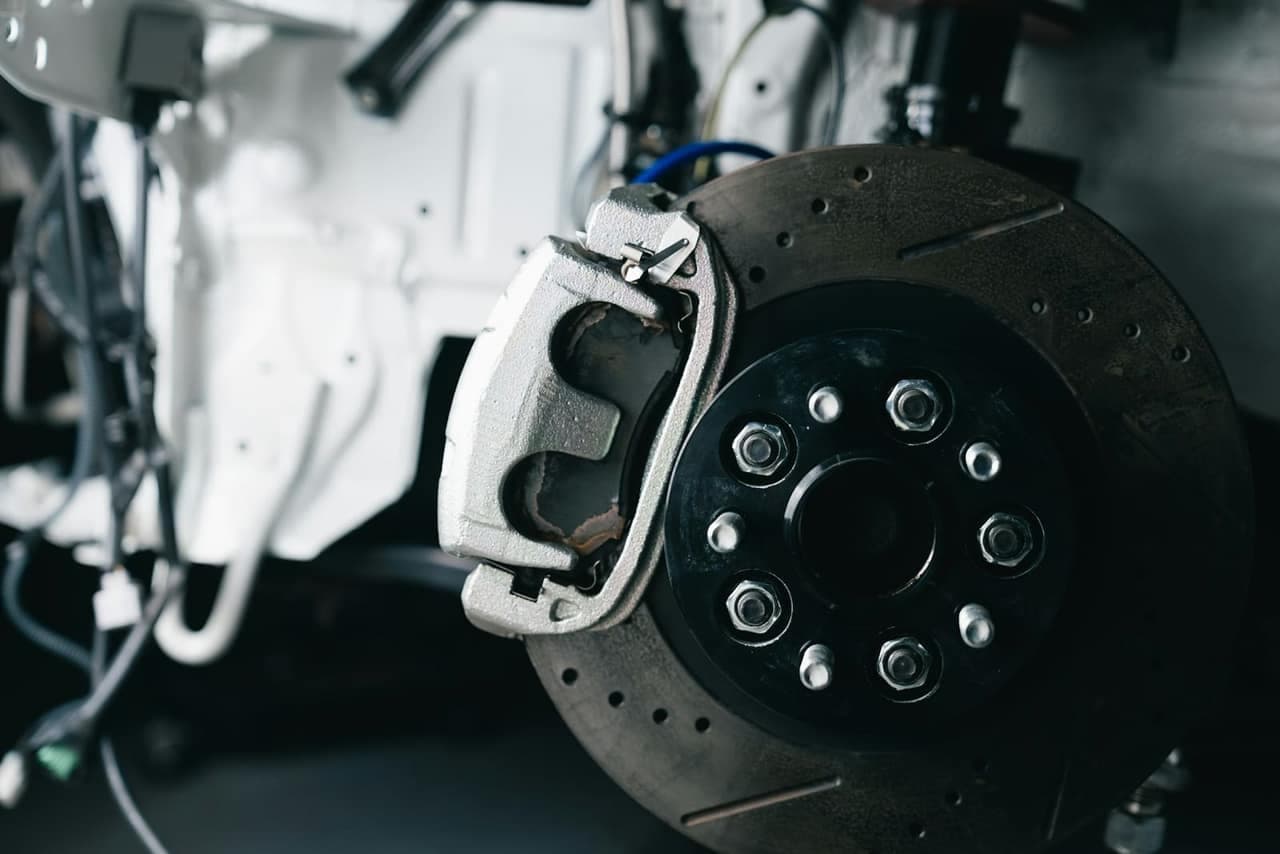
Wheels: more than just aesthetics
Wheels are one of the first things people look at when sizing up a car. A nice set of alloys can transform the look of an average car, while damaged or rusty steel wheels can make even the prettiest car look neglected. But wheels are not just about looks. They are a structural part that holds the tyre, takes the loads under driving, braking and cornering, and directly affects safety and handling.
New wheels, especially quality alloys, can be eye-wateringly expensive. A set of four original alloys for a premium car can cost 1,000 to 3,000 euros, and even for an average car, a new set of quality alloys easily passes 500 euros. That is where used wheels become an extremely interesting option, because you can save 50 to 70% without compromising on quality, if you know what to watch for.
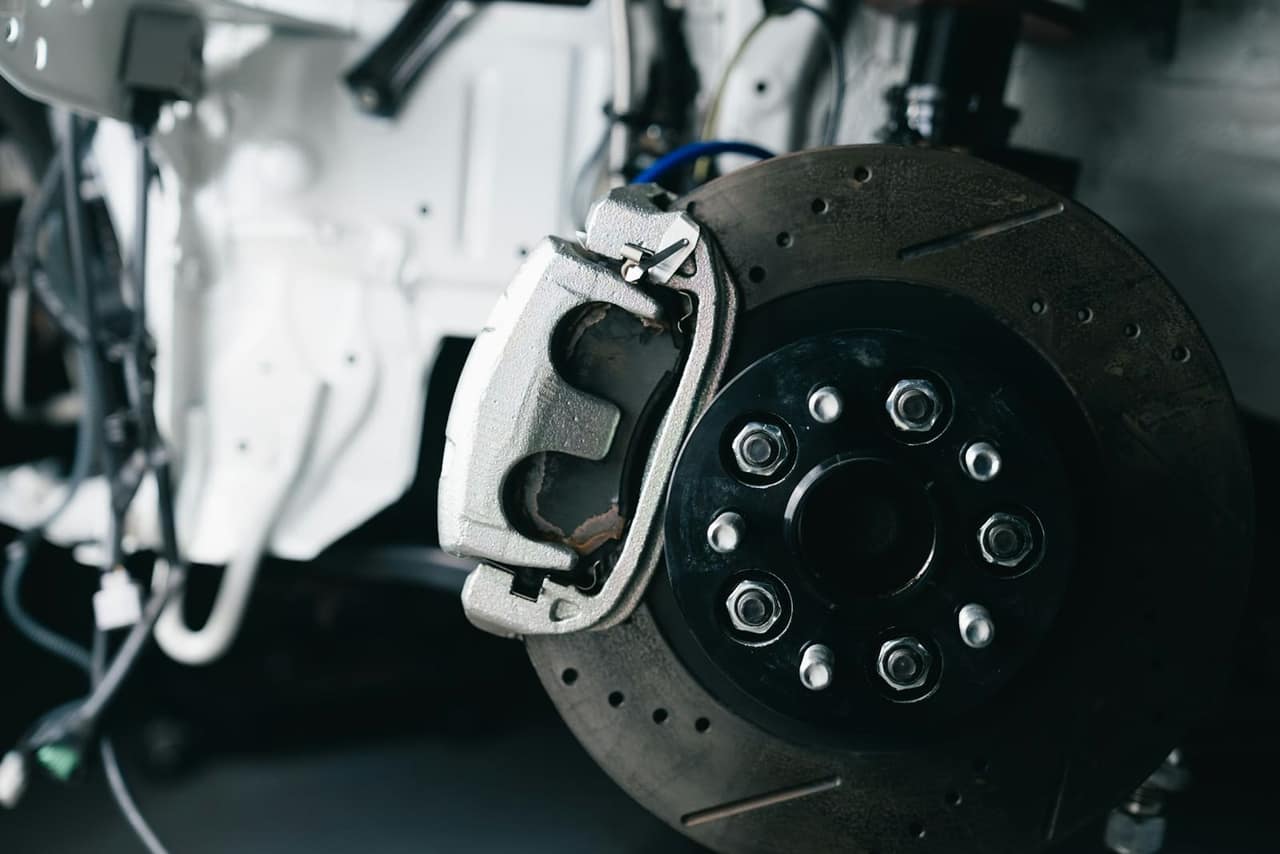
Alloy vs steel wheels: the basics
Before we get into buying used, let's clarify the differences between the two basic types of wheel.
Steel wheels
Steel wheels are made from pressed steel. They are heavy, simple in design (usually used with hubcaps), but extremely tough. Steel bends before it cracks, so a steel wheel that hits a kerb will not crack but only deform, and can often be straightened.
Pros of steel wheels:
- Cheap (new ones 20 to 40 EUR per wheel)
- Tough and damage-resistant
- Easy to repair (straightening)
- Ideal for winter tyres
Cons:
- Heavy (they increase unsprung mass)
- Limited choice of designs
- Prone to corrosion without protection
Alloy wheels
Alloy wheels are made of aluminium alloy (usually mixed with silicon, magnesium and other metals). They are lighter than steel (typically 20 to 30%), offer an endless choice of designs and dissipate heat from the brakes better.
Pros of alloy wheels:
- Lighter (better driving dynamics and fuel economy)
- Attractive looks
- Better brake cooling
- Huge choice of designs
Cons:
- More expensive
- More sensitive to impacts (they crack rather than bend)
- Harder to repair
- Susceptible to galvanic corrosion (white spots)
Wheel sizes: what you have to know
Before buying used wheels, you have to understand the dimensions and parameters that determine whether a wheel will fit your car. This is absolutely key because the wrong wheel can be dangerous.
PCD (Pitch Circle Diameter)
PCD is the diameter of the imaginary circle that passes through the centres of the bolt holes. It is given as the number of holes x diameter, for example 5x112 means 5 holes on a circle 112 mm in diameter. This is the first parameter you have to check because if the PCD does not match, the wheel physically will not bolt on.
The most common PCDs on European cars:
- 4x100 - older VW, Opel, Honda, Toyota
- 4x10⁸ - Peugeot, Citroen, older Ford
- 5x100 - VW Golf 4, Audi A3 (8L), Subaru, Toyota
- 5x10⁸ - Volvo, Ford (newer), Peugeot (newer)
- 5x112 - VW, Audi, Mercedes, Skoda (newer models)
- 5x120 - BMW, Opel (newer)
ET (offset)
ET (Einpresstiefe) is the distance from the centre of the wheel to the mounting surface. A positive ET means the mounting surface is closer to the outer edge of the wheel. A negative ET means it is closer to the inner edge. ET affects how much the wheel will "stick out" of the fender.
Most passenger cars have an ET between 30 and 50. Using a wheel with the wrong ET can cause:
- Tyre rubbing on the fender or suspension
- Excessive load on wheel bearings
- Issues with ABS and ESP
- Problems at the roadworthiness test
The general rule is that the ET can deviate from the original by plus or minus 5 mm without problems. Bigger deviations need checking.
Centre bore (CB)
The centre bore of the wheel must match the size of the hub on the car (or a spacer/centre ring has to be used). If the wheel sits only on the bolts without being centred, vibration is inevitable.
The most common centre bore sizes:
- 57.1 mm - VW, Audi, Skoda, Seat
- 66.6 mm - Mercedes
- 72.6 mm - BMW
- 63.4 mm - Ford
Centre rings (adapters) cost 3 to 8 euros for a set of 4 and let you use wheels with a larger centre bore on a car with a smaller hub.
How to check the condition of used wheels
Inspecting used wheels requires attention to a few key things:
Cracks
This is the most important thing. A crack on a wheel is a deal-breaker, no exceptions. A cracked wheel can split fully while driving, causing a sudden deflation. Inspect the wheel from all sides, including the inner side. Use a torch and look for fine cracks, especially around the bolt holes and at the joints where the spokes meet the rim.
Alloy wheels are especially prone to cracks because aluminium cracks rather than bends. Steel wheels rarely crack, but check anyway.
Deformation (kerb hits)
Put the wheel on a flat surface and spin it. The rim should be flat, with no visible waviness. A deformed rim causes vibration and can prevent the tyre from sealing properly (pressure loss).
Small deformations on steel wheels can be straightened (straightening a wheel costs 10 to 20 EUR per wheel). Deformations on alloy wheels are more problematic because aluminium is harder to straighten without the risk of micro-cracks.
Corrosion
On steel wheels, surface rust is normal and does not affect function. Deep corrosion that has eaten into the material is a problem, especially on the mounting face (where the wheel sits on the hub).
On alloy wheels, look for white powdery deposits (aluminium corrosion) and paint blistering. Surface corrosion is a cosmetic issue. Deep corrosion that has gone through the paint and eaten into the metal can weaken the structure.
Bolt holes
Check that the bolt holes are not oval (elongated) or damaged. Oval holes mean the bolts have been loose and the wheel has been "walking" on the bolts. Such a wheel cannot be safely mounted.
Where to buy used wheels
Used wheels are one of the most sought-after used car parts, so the supply is large:
Online classifieds offer the widest choice, but you often buy "blind" because photos do not show all the details. Ask for detailed photos of all four wheels from both sides and ask about any damage.
Scrapyards are a good option because you can inspect the wheels in person. Prices are usually lower than on classifieds. Yards are especially good for original wheels of specific models.
Specialist used-wheel dealers offer inspected and often refurbished product. Prices are a bit higher, but quality is checked.
Prices of used wheels
Here are rough prices for a set of 4 wheels:
- Steel wheels 15" - 40 to 80 EUR set used, 80 to 160 EUR set new
- Steel wheels 16" - 50 to 100 EUR set used, 100 to 200 EUR set new
- Alloy wheels 15"-16" (aftermarket) - 80 to 200 EUR set used, 200 to 500 EUR set new
- Alloy wheels 17"-18" (aftermarket) - 150 to 400 EUR set used, 400 to 1,000 EUR set new
- Original alloy wheels (premium cars) - 200 to 800 EUR set used, 800 to 3,000 EUR set new
The savings are significant, especially with original wheels for premium cars. A set of original BMW M wheels new costs 2,000+ euros, while a used set in good condition can be found for 500 to 800 euros.
Refurbishing used wheels
If you find used wheels with good structure but poor looks (scratches, damaged paint, corrosion), refurbishment can be a worthwhile option. Professional refurbishment of an alloy wheel includes sanding, repairing minor damage, base coat and clearcoat.
The cost of refurbishment is usually 40 to 80 euros per wheel, depending on size and degree of damage. For a set of 4 wheels, that is 160 to 320 euros. Once you add the price of the used wheels, the total is still significantly lower than buying new.
Some workshops also offer colour changes, diamond-cut rim faces and other premium finishes. Those options are more expensive (80 to 150 euros per wheel), but the result can be a wheel that looks better than new.
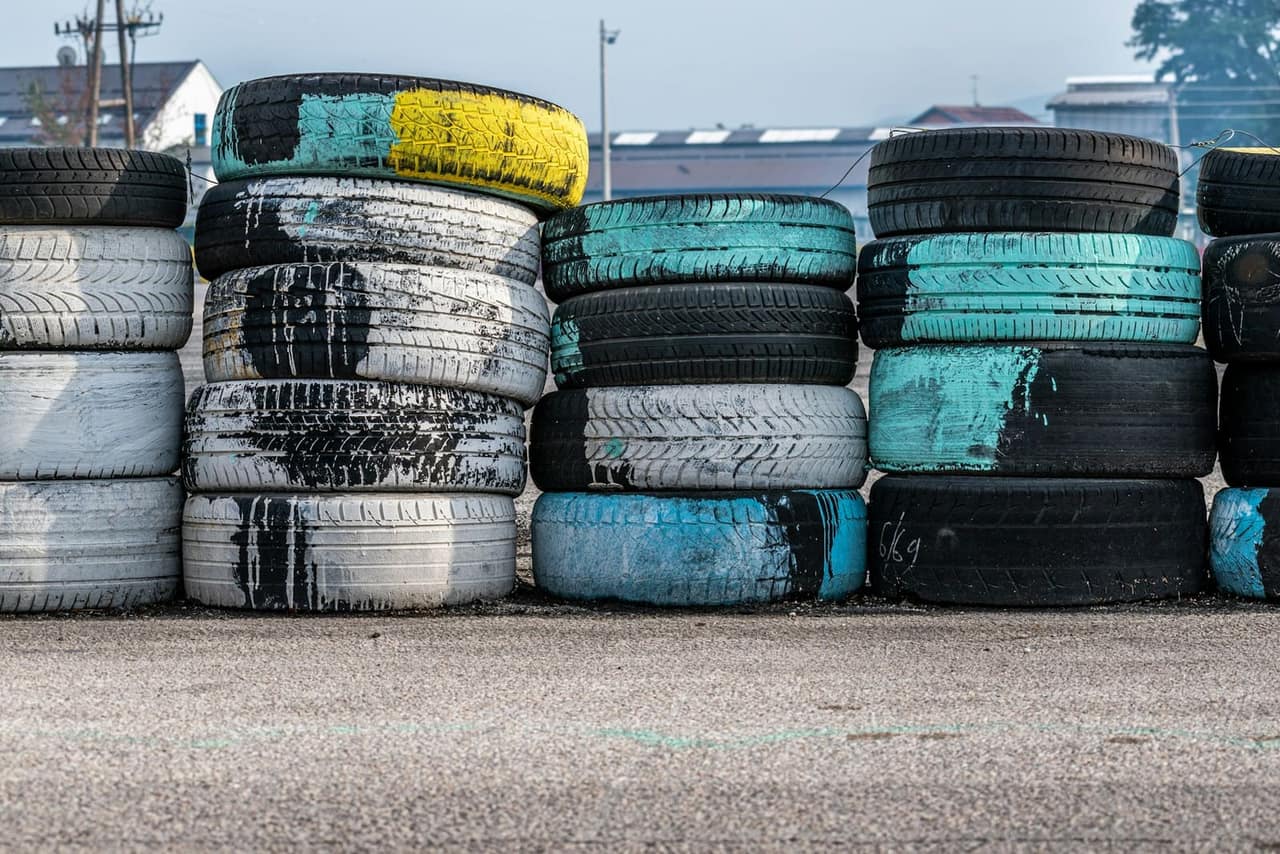
Winter vs summer wheels
Many drivers run two sets of wheels: alloys for summer and steels for winter. That makes sense because steel wheels handle salt, cold and rough roads better, all of which are common in winter. Plus, fitting and removing tyres twice a year wears the wheels and tyres, so it is cheaper to have two sets.
For a winter set, used steel wheels are an ideal buy. You do not have to worry about looks (they will be under hubcaps anyway), and steel takes everything winter throws at it. A set of used steel wheels for 40 to 60 euros is a much better choice than fitting winter tyres to alloys.
For a summer set, used alloys in good condition give looks and performance at an affordable price. Just make sure to pick the right dimensions and ET for your car.
Legal rules
Wheels have to meet certain conditions to pass the roadworthiness test:
- The dimensions must match those in the registration document or have a homologation certificate (TUV, ABE)
- They must not have visible cracks or serious damage
- The tyre must not stick out beyond the fender
- The bolts must be the right length and type
If you are buying wheels in different dimensions to the originals, check that you have the appropriate documentation (TUV or ABE certificate) because without it you will not pass the roadworthiness test.
Find used wheels for your car
On the PoDi platform you can send a request for used wheels with details of your vehicle and the desired dimensions. Suppliers on PoDi usually offer a wide selection of original and aftermarket wheels for popular models. State the car model, the size you want, the PCD and any preferred design, and suppliers will send offers for what they have available.
Whether you are after a winter set of steels or eye-catching alloys for summer, used wheels are a smart buy that saves you hundreds of euros. Just watch the dimensions, check the condition and enjoy the ride.