
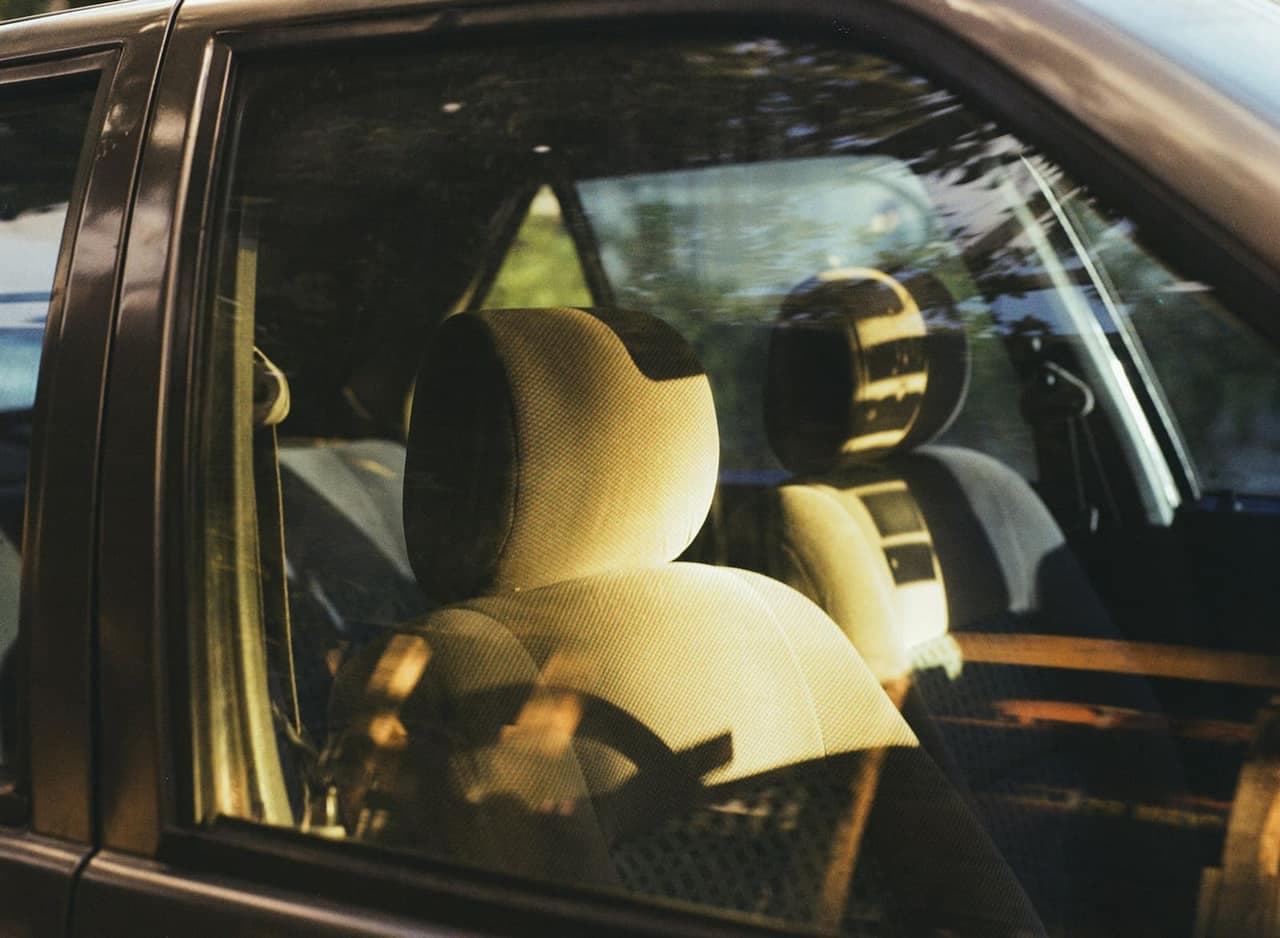
Why consider used seats in the first place?
Let's be honest, seats are one of those parts of a car we do not pay much attention to as long as they are in good condition. But once the leather starts peeling, the fabric tears, or you simply want to upgrade your interior, new seats can cost a small fortune. We are talking EUR 500 to 2,000 per seat for original OEM parts. Multiply that by four or five seats and you get a number that will make you slightly dizzy.
This is where used seats come in. Quality, original seats removed from cars that ended up at the scrapyard for various reasons, often with minimal signs of use. The price? Usually 50 to 70 percent less than new. The quality? If you know what you are looking for, practically identical.
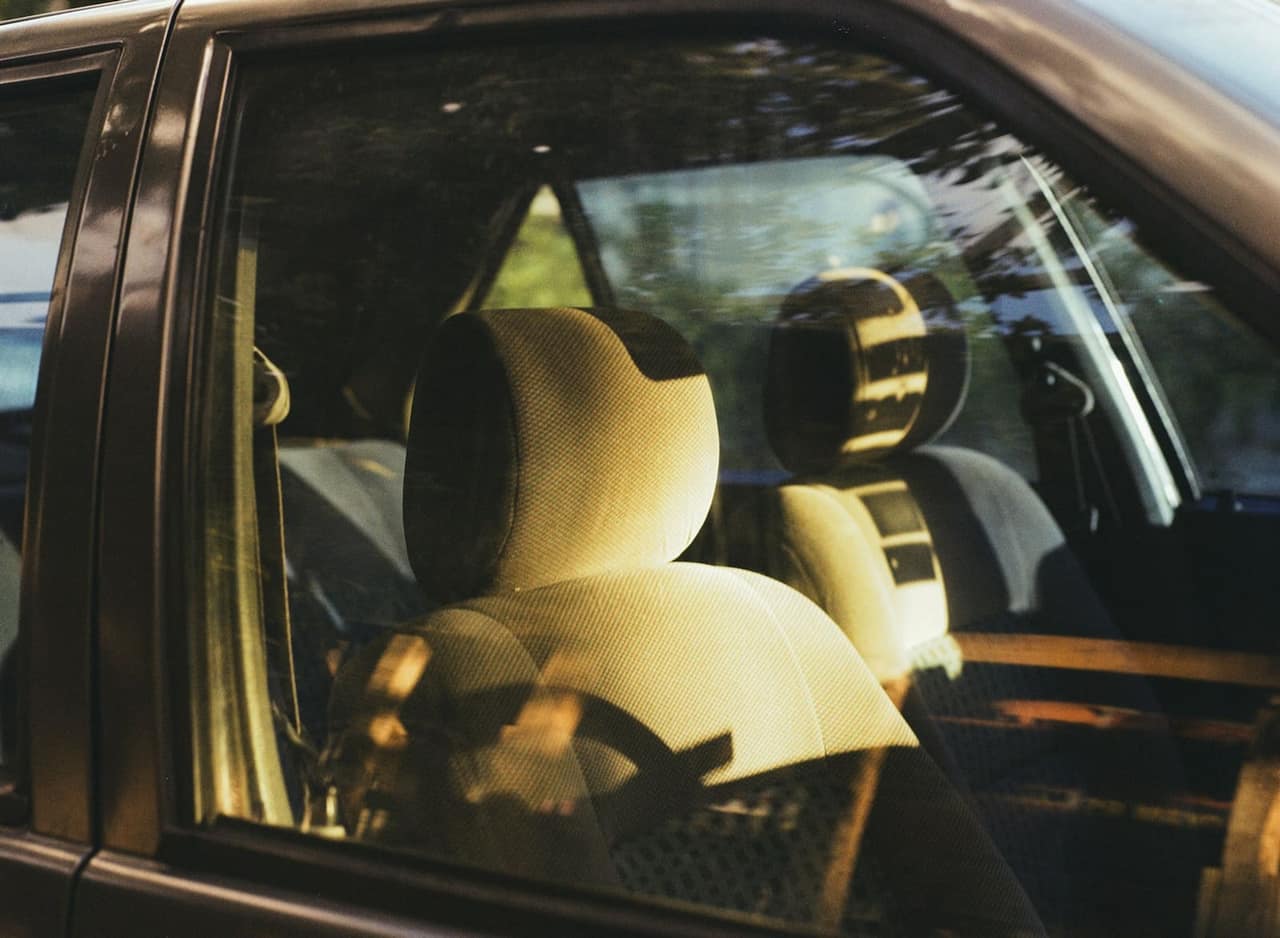
Leather seats: luxury that does not have to cost a fortune
Leather seats have always been a symbol of luxury in cars. That feeling when you sit on quality leather, the smell of a new car, the elegance it brings to the whole interior. But new leather seats are expensive. Very expensive. That is why used leather seats are a fantastic option for anyone who wants that premium feel without the premium price.
When you look for used leather seats, the first thing to check is the type of leather. There is full grain leather, which is the highest quality and most expensive. Then you have semi-processed leather which is slightly less premium but still excellent. And finally there is "leatherette" or artificial leather, which many manufacturers use in their lower trim models and try to pass off as the real thing.
How to spot quality leather on used seats
Here are a few tricks that can help you. Real leather has an irregular texture, just like human skin. If you look closely, you will see small pores and variations in pattern. Artificial leather, on the other hand, has a perfectly uniform texture because it is industrially produced. Real leather is also warmer to the touch and develops a patina over time, while artificial leather stays the same or simply starts peeling.
Another test is smell. Real leather has a characteristic scent that is hard to mistake for anything else. Artificial leather smells of plastic or chemicals. Of course, on used seats the smell can be less pronounced, but it is still there.
The most important test on used leather seats is checking for cracks. Leather dries out over time if it is not cared for, and small cracks start appearing, most often on the bolsters where the body presses the most. Small surface cracks are normal and can be treated with leather creams. But deep cracks that run through the full thickness of the leather are a sign that the seat is near the end of its life.
Advantages of leather seats
- Durability - quality leather can last 10 to 15 years with proper care
- Easier cleaning - stains wipe off with a damp cloth
- Allergen resistance - leather does not trap dust mites and allergens the way fabric does
- Aesthetics - leather seats lift the whole impression of the interior
- Car value - a car with leather seats has higher resale value
Downsides of leather seats
- Temperature - hot in summer, cold in winter, especially without seat heating
- Slippery - leather is more slippery than fabric, especially when you are wearing shorts
- Maintenance - leather needs regular treatment with creams and protective products
- Sensitivity - sharp items can damage leather easily (belt buckles, keys in pockets)
Cloth seats: the underrated choice that makes sense
Cloth seats, or "fabric seats" as many call them, are often seen as the less desirable choice. But honestly, for a lot of people they are actually the better choice than leather. Especially when we are talking about used seats.
Cloth seats are warm in winter and pleasant in summer. They do not slide. They do not need special care. And what matters most on used examples, they hold up to ageing far better than leather. A 10 year old cloth seat can look almost new if it has been in a car owned by someone tidy. A 10 year old leather seat, unless it was treated regularly, will likely show visible signs of age.
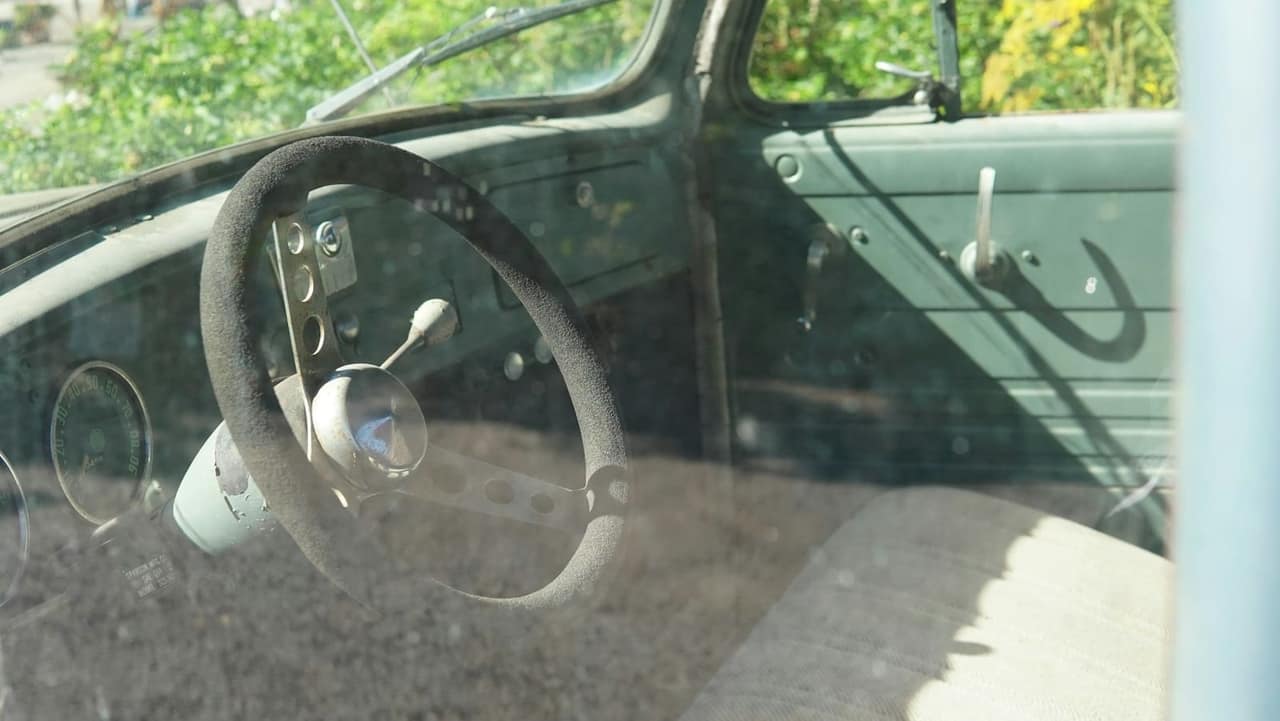
What to watch for with used cloth seats
The biggest enemy of cloth seats is staining. Unlike leather, fabric soaks up liquids and stains can be permanent. When you inspect a used cloth seat, look carefully over the whole surface under good lighting. Look for coffee, juice or food stains, and especially water stains that can suggest the car had a leak problem.
The second big issue with cloth seats is smell. Fabric absorbs odours far more than leather. If the previous owner was a smoker, that smell is almost impossible to fully remove. The same goes for pet smells. So when buying used cloth seats, the smell test is just as important as the visual inspection.
Check the stitching too. On cloth seats, the seams are often the first thing to give way. Look at the edges of the seat, especially the bolsters and the transition between the cushion and the backrest. If the seams have failed or the fabric has separated from the backing, that seat is probably not worth buying because seam repair on car seats is expensive and complicated work.
Compatibility: will a used seat fit your car?
This is probably the most important question when you buy used seats, and it is surprising how many people skip it. Not every seat fits every car. In fact, most seats are specific to a particular model and generation of car.
The mounting points, the brackets that bolt the seat to the floor, vary from model to model. Even within the same manufacturer, a VW Golf 5 and Golf 6 have different mounting points. Sometimes seats can be adapted with bracket plates, but that is extra cost and work.
Beyond physical compatibility, there is electrical compatibility. Modern seats have heating, ventilation, electric adjustment, memory function and of course airbags. Each of those features needs the right connectors and a compatible system in the car. If you buy a seat from a heated model for a car that does not have seat heating, the heating simply will not work unless you run extra wiring.
The safest approach is to buy seats from an identical model and year. If you have a BMW E90 3 Series from 2008, look for seats from the same car. You can even upgrade, for example fitting sport seats from the M Package instead of standard ones, because the mounting points are the same within a generation.
Airbags in seats: a serious matter
Many modern seats have a built-in side airbag. When you buy a used seat, you have to know whether the airbag has been deployed or not. A seat with a deployed airbag is potentially dangerous because the airbag system can throw a fault on the dashboard and disable the other airbags in the car.
If a seat comes with an undeployed airbag, you will have to connect it properly to your car's airbag system. That is a job for a specialist because incorrect wiring can lead to accidental airbag deployment, which is extremely dangerous.
Where to find quality used seats
There are several sources for used car seats, and each has its pros and cons. Scrapyards are the classic choice because you can inspect a seat in person before buying. Online listings offer a wider choice but carry the risk that you cannot physically check the condition. Specialised platforms like PoDi sit somewhere in between, offering a wide selection from vetted suppliers.
If you are looking for used seats for your car, the easiest way is to send a request through our platform. You enter your car model, describe what you need, and PoDi connects you with suppliers who send you quotes. No driving round scrapyards, no scrolling through dozens of listings, just enter your request and wait for the offers.

Fitting used seats: can you do it yourself?
Replacing seats is one of the simpler jobs on a car, but it has a few catches to watch for. Physically, a seat is bolted to the floor with four bolts. Unbolt the old one, put in the new one, bolt it down. Sounds simple, and for basic seats with no electronics it really is.
But if the seat has electronics (heating, electric adjustment, airbag) things get more complicated. You have to disconnect the battery before working on the airbag system. You have to connect every plug correctly. And after fitting you have to reset the airbag system with a diagnostic tool so the warning light does not stay on the dashboard.
Our advice: if you have basic mechanical skills and tools, you can swap seats without electronics yourself. For seats with airbags and electronics, take it to a workshop. It is not worth risking safety to save EUR 50 on fitting.
How much can you save with used seats?
Let's put numbers in perspective. A new original leather seat for an average mid-range car costs between EUR 800 and 1,500. A used seat of the same type, in good condition, you can find for EUR 150 to 400. That is a saving of 60 to 80 percent. For a set of four seats, we are talking about a saving of EUR 2,000 to 4,000. That is not pocket change.
Even cloth seats, which are cheaper than leather, offer meaningful savings used. A new cloth seat costs EUR 300 to 600, while you can find a used one for EUR 80 to 200.
Naturally, prices depend on many factors: the make and model of the car, the condition of the seat, whether it has electronics and of course supply and demand on the market. More popular models have larger supply so prices are lower, while rarer models can be pricier because they are harder to find.
Is it worth buying used seats?
Absolutely yes. Used car seats are one of the best ways to improve your car's interior without a big outlay. Whether you want to replace damaged seats or upgrade from cloth to leather, used seats offer a fantastic price-to-quality ratio.
The key is to know what you are looking for, inspect the seat carefully before buying, and make sure it is compatible with your car. Get those three things right and you will end up with seats that look and work almost like new, for a fraction of the price.
Ready to find the perfect used seats for your car? Send a request to PoDi and let us find the best offer for you.