
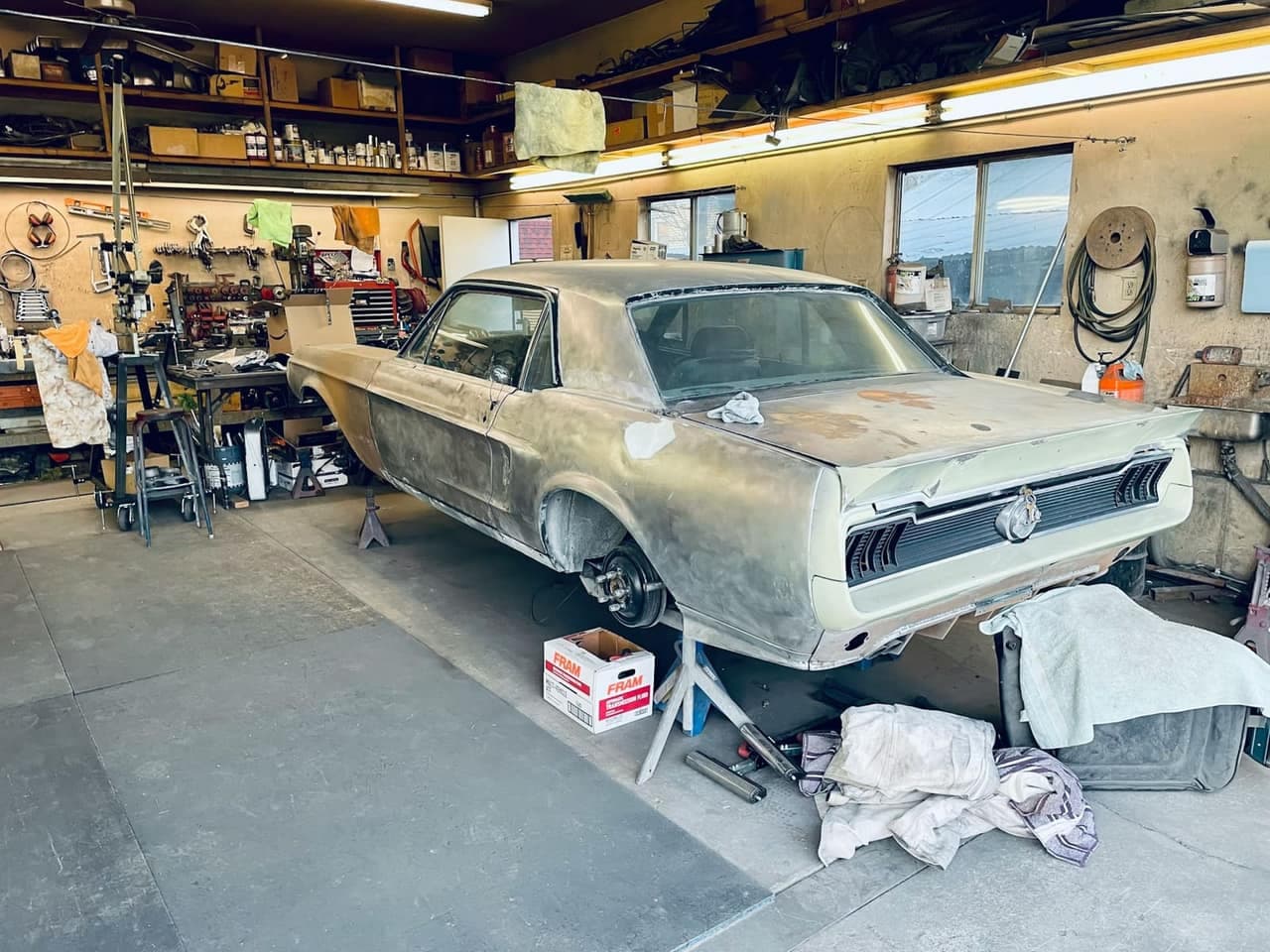
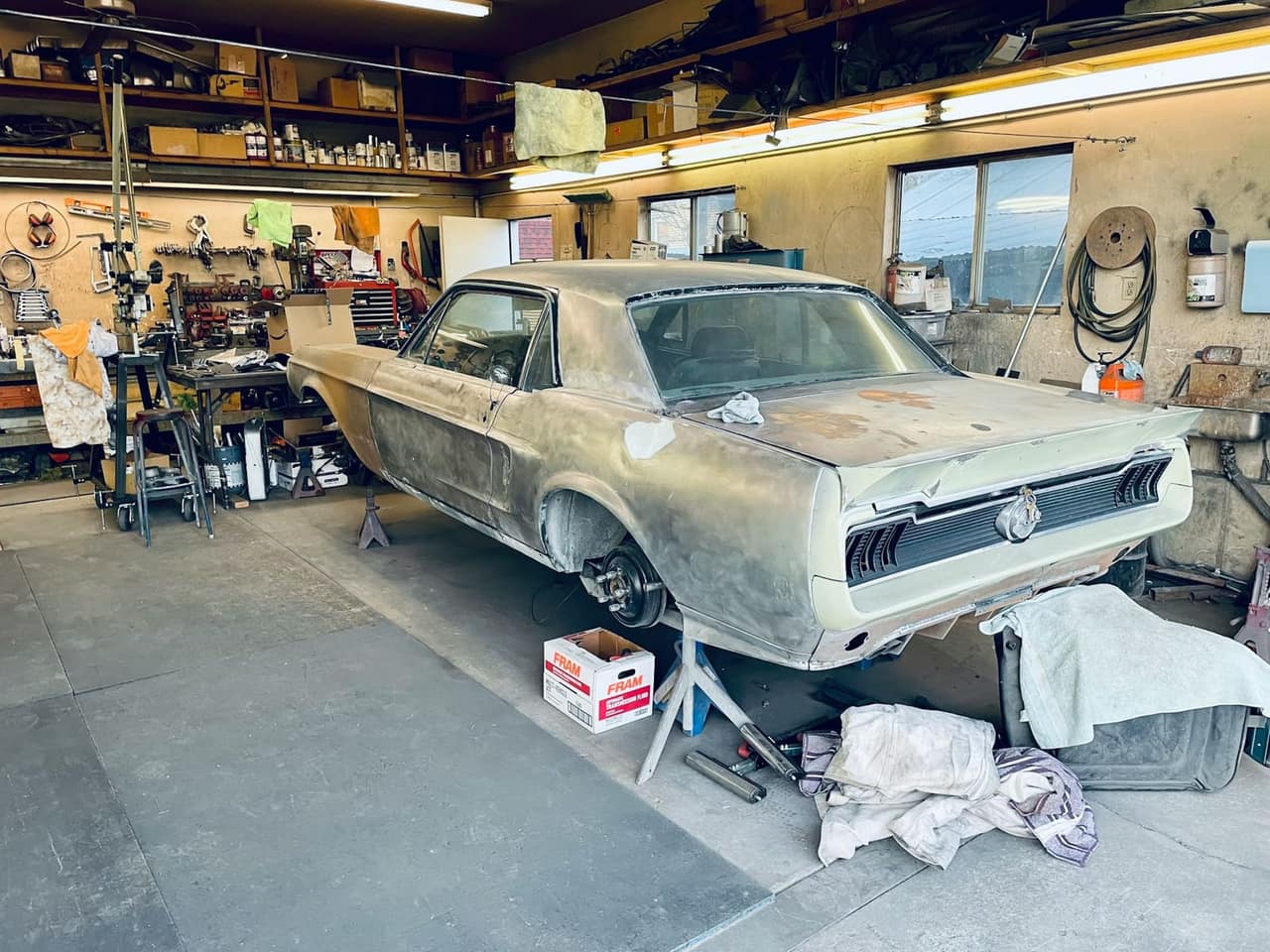
The eternal debate: original or replacement?
This is a topic argued endlessly on car forums. Some swear by original parts and claim everything else is junk. Others say aftermarket parts are just as good for half the price. The truth, as usual, is somewhere in the middle.
But when we are talking about used parts, the story gets an extra dimension. Because now you are not just comparing original vs aftermarket, but used original vs used aftermarket vs new aftermarket. And that complicates things further.
We will break down both options by part type and show where each option really pays off, and where it is a compromise. No fanaticism, no prejudice. Just facts that help you make the right call for your car and your budget.
What even counts as an "original" part?
Let's clear up the terms first because there is huge confusion around them.
OEM (Original Equipment Manufacturer)
These are parts made by the same manufacturer that built them for your car when it was new. When you buy an alternator at a VW authorised service with a VW logo, that is an OEM part. But here is the catch: VW does not make alternators. Bosch does. Or Valeo. Or Denso. VW just sticks on its label and adds 40 to 60% to the price.
When you buy a used original part at a scrapyard, you get that same Bosch alternator that was fitted in the car from new. Without the VW label, but with the same quality.
OES (Original Equipment Supplier)
These are parts from the same manufacturer that supplies the factory, but sold under their own brand. A Bosch alternator for a Golf is identical to the one with the VW logo, only it carries the Bosch logo and costs 30 to 40% less. Same goes for Valeo, Denso, LuK, Sachs, and dozens of other suppliers.
Aftermarket
These are parts from third-party makers that copy the original design. Quality varies enormously. There are premium aftermarket brands (Febi Bilstein, TRW, Lemforder) whose parts are nearly identical to originals. And there are cheap Chinese aftermarket parts whose quality is questionable.
When a used original is the better choice
There are categories of parts where a used original beats every alternative. Here is where.
Engines and gearboxes
This is the category where a used original has no competition. Aftermarket engines and gearboxes practically do not exist because they are too expensive and too complex to copy. Your choice is: new original (astronomical price), used original (reasonable price), or rebuild (unpredictable quality).
A used original engine with known mileage and a known history is almost always the best choice. Designed by the manufacturer to last 300,000+ km. If it has done 80,000 km, you still have a lot of life ahead of you. And it costs a fraction of the new price.
Electronics
ECU, ABS modules, instrument clusters, comfort modules. Aftermarket versions of these parts are rare, and when they do exist, they often have compatibility issues. A used original is the only realistic option besides a new original, which is unreasonably expensive.
Especially for the ECU: the original part is programmed with the exact software for your model. An aftermarket ECU would require complex programming that costs as much as the part itself. A used original can often be recoded for your car for 50 to 100 euros.
Body panels
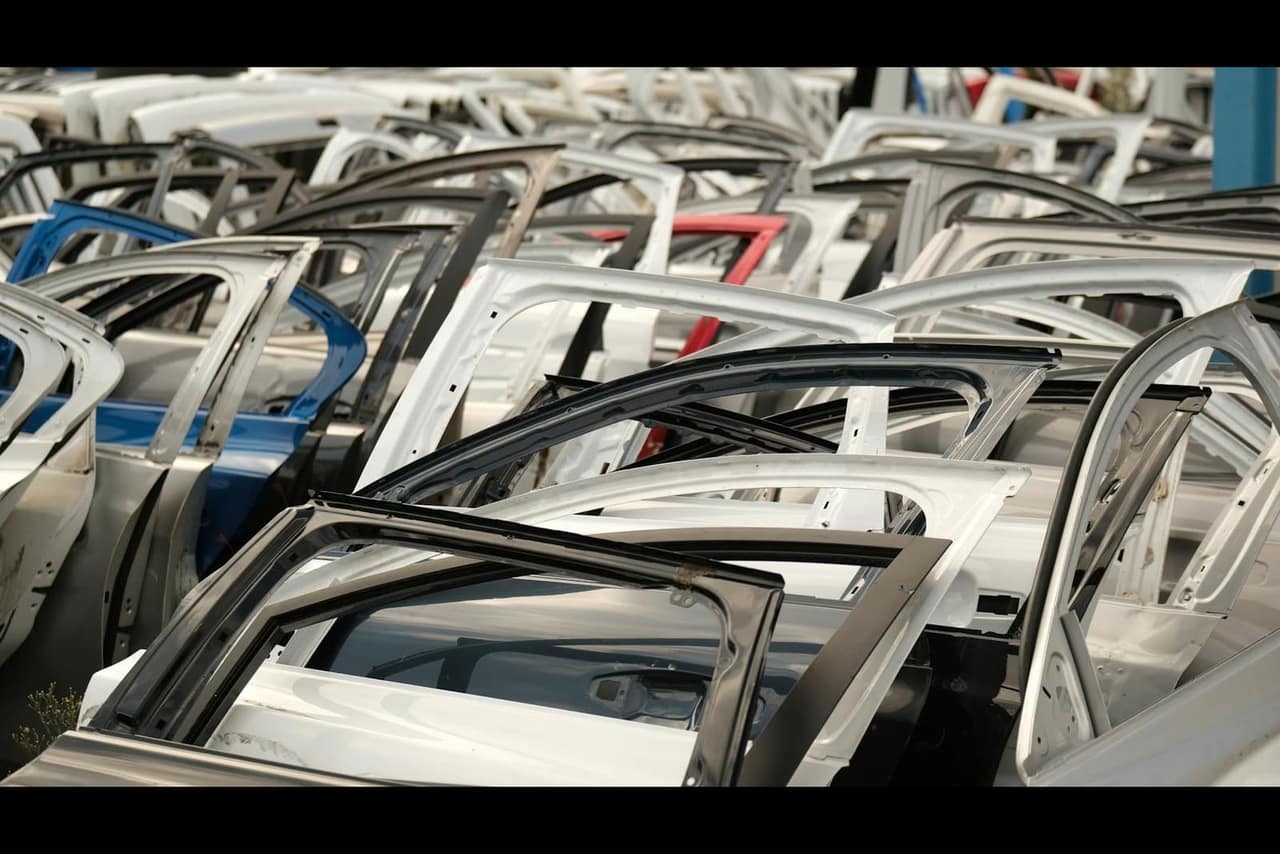
Original body panels have advantages aftermarket can hardly replicate. Fitment accuracy, paint quality, metal thickness, and quality of corrosion protection. Aftermarket bumpers and fenders are known for not seating perfectly, not matching the colour, and being thinner.
A used original body panel in the right colour is absolutely ideal. Fits perfectly, the colour matches (or is very close), and the quality is what the manufacturer intended.
Glass parts
Original glass (Pilkington, Saint-Gobain, AGC) has better optical quality, more accurate dimensions, and often UV protection and tinting that aftermarket glass lacks. The difference is especially visible with windscreens with HUD (heads-up display) or with cameras for driver assistance.
When aftermarket is a better (or at least equal) choice
There are situations where an aftermarket part makes sense, even compared to a used original.
New aftermarket vs used original
This is the key comparison. Sometimes a new aftermarket part from a known maker is the better choice than a used original. Here is when.
- When the price is similar - if a used original alternator costs 120 euros and a new Bosch alternator 150 euros, that 30 euro difference is worth it for a completely new part with a 2-year warranty
- When the used part is of unknown condition - if you have no information on mileage or condition, a new aftermarket is the safer choice
- When the part is a consumable - parts that wear relatively fast (like water pumps or thermostat housings) may not be worth buying used because their remaining life is short
Premium aftermarket brands
There are aftermarket brands whose quality is on a par with original or even better. Here are some:
- Bosch - electrics, sensors, pumps. Bosch actually makes original parts for most makes
- LuK/Sachs - clutches, flywheels. Original suppliers for VW, BMW, Mercedes
- Lemforder/TRW - suspension and steering parts. Original suppliers for many makes
- Behr/Mahle - cooling and AC systems. Top-tier quality
- Continental/INA - belts, tensioners, water pumps. Original suppliers
These brands are actually OES parts. Identical to the originals, just without the carmaker's logo. And new they cost less than a used original from an authorised service.
Used aftermarket - yes or no?
This is a category rarely discussed, but it exists on the market. A used aftermarket part is one that was not originally fitted to the car, but someone fitted it later, and now it is being sold as used.
Generally I would advise avoiding used aftermarket parts, unless they are from premium brands. Here is why:
- You do not know the quality of the original aftermarket part. It may have been a cheap Chinese part that was bad even when new
- A used aftermarket part has no identification like an OEM number, so it is hard to verify compatibility
- The lifespan of an aftermarket part is often shorter than an original, so a used one has even less remaining life
The exception is premium brands. A used Bosch alternator or a used LuK clutch are as good as a used original because they are actually the same parts.
Price comparison: original vs aftermarket vs used
Let's put concrete numbers down. Example: an alternator for a VW Golf 6 2.0 TDI.
- New original (VW authorised service): 450 EUR
- New OES (Bosch, the same part without the VW logo): 280 EUR
- New premium aftermarket (Valeo): 200 EUR
- New budget aftermarket (unknown brand): 90 EUR
- Used original (scrapyard): 100 to 140 EUR
See the pattern? A used original is in the range of a budget aftermarket new part, but with far better quality. And a new OES part is often the best value of all the options.
Optimal strategy? For big parts (engine, gearbox, electronics) buy used originals. For mid-size parts (alternator, starter, compressor) consider a new OES or used original. For small parts where the price gap is small, buy new OES or premium aftermarket.
How to spot an original part
When buying a used part, how do you know it is really original?
- OEM number - original parts have an OEM number stamped on or on a label. You can verify the number in the ETKA or TecDoc catalogue
- Manufacturer logo - original parts often carry the OES supplier logo (Bosch, Valeo, etc.) and/or the carmaker's logo
- Build quality - original parts have consistent quality, smooth surfaces, precise edges. Cheap aftermarket has unevenness, sloppy edges, and a generally "cheaper" look
- Weight - original parts are usually heavier because they use better materials. A light aftermarket part is probably made of thinner metal or cheaper plastic
Recommendations by part type
Here are concrete recommendations for each category.
| Part type | Recommendation | Reason |
|---|---|---|
| Engine | Used original | Aftermarket does not exist, new too expensive |
| Gearbox | Used original | Same as engine |
| ECU/electronics | Used original | Aftermarket problematic |
| Body panels | Used original | Better fit and colour |
| Headlights | Used original | Aftermarket has worse optical quality |
| Alternator | New OES or used original | Both options are good |
| AC compressor | Used original | Aftermarket often noisier |
| Turbo | Used original or rebuilt | Aftermarket of poor quality |
| Seats | Used original | Aftermarket does not exist |
| Wheels | Used originals | Better quality and styling match |
How to choose between original and aftermarket
There is no universal answer to "original or aftermarket". It depends on the part, the budget, and how long you plan to keep the car. But the general rule is clear: for big and complex parts, a used original is almost always the best value. For smaller parts, a new OES or premium aftermarket is an excellent alternative.
The most important thing is to avoid cheap aftermarket parts from unknown brands. Savings on the purchase often turn into a repair cost when the part fails after a few months.
Need help finding the right part? Send a request through the PoDi platform and say whether you prefer original or aftermarket. Suppliers on PoDi usually offer both options with prices, so you can decide what suits you best.