
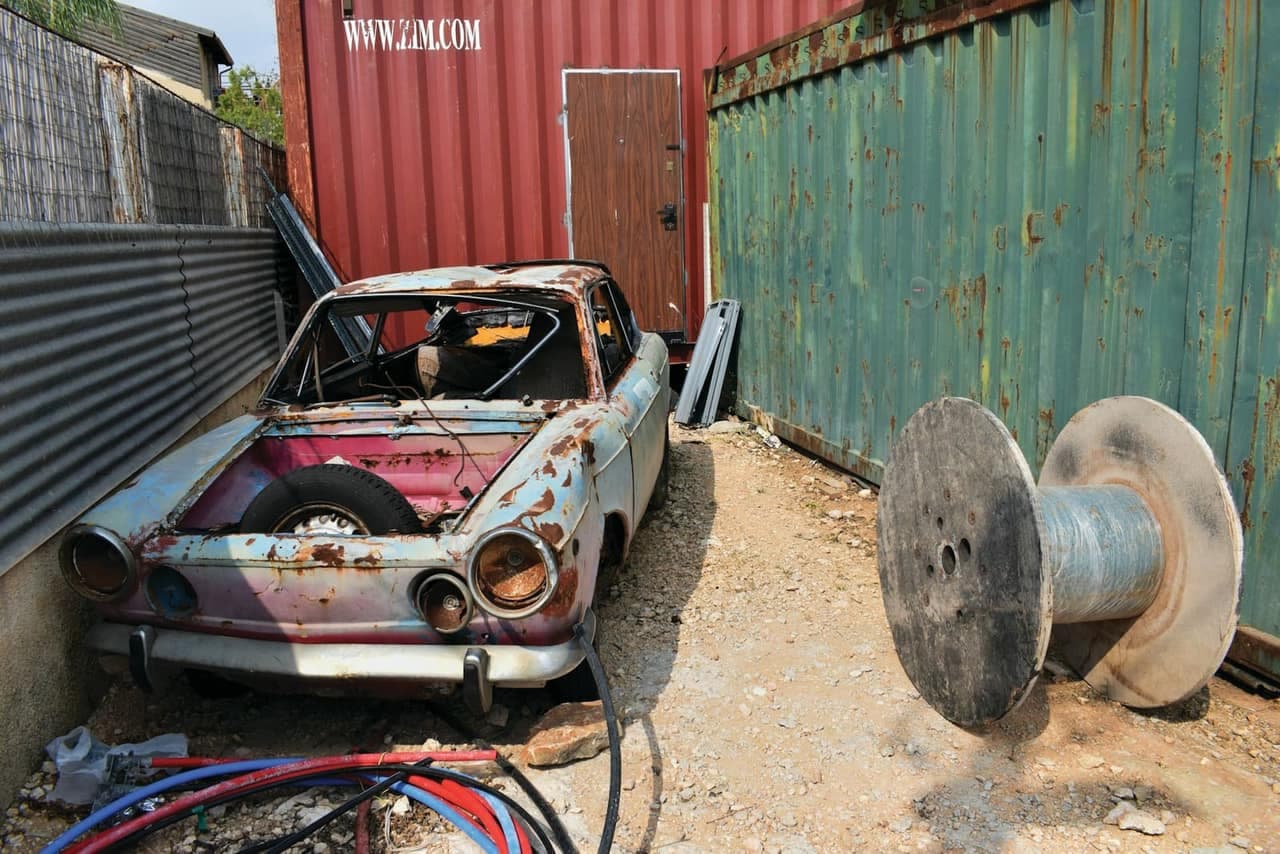
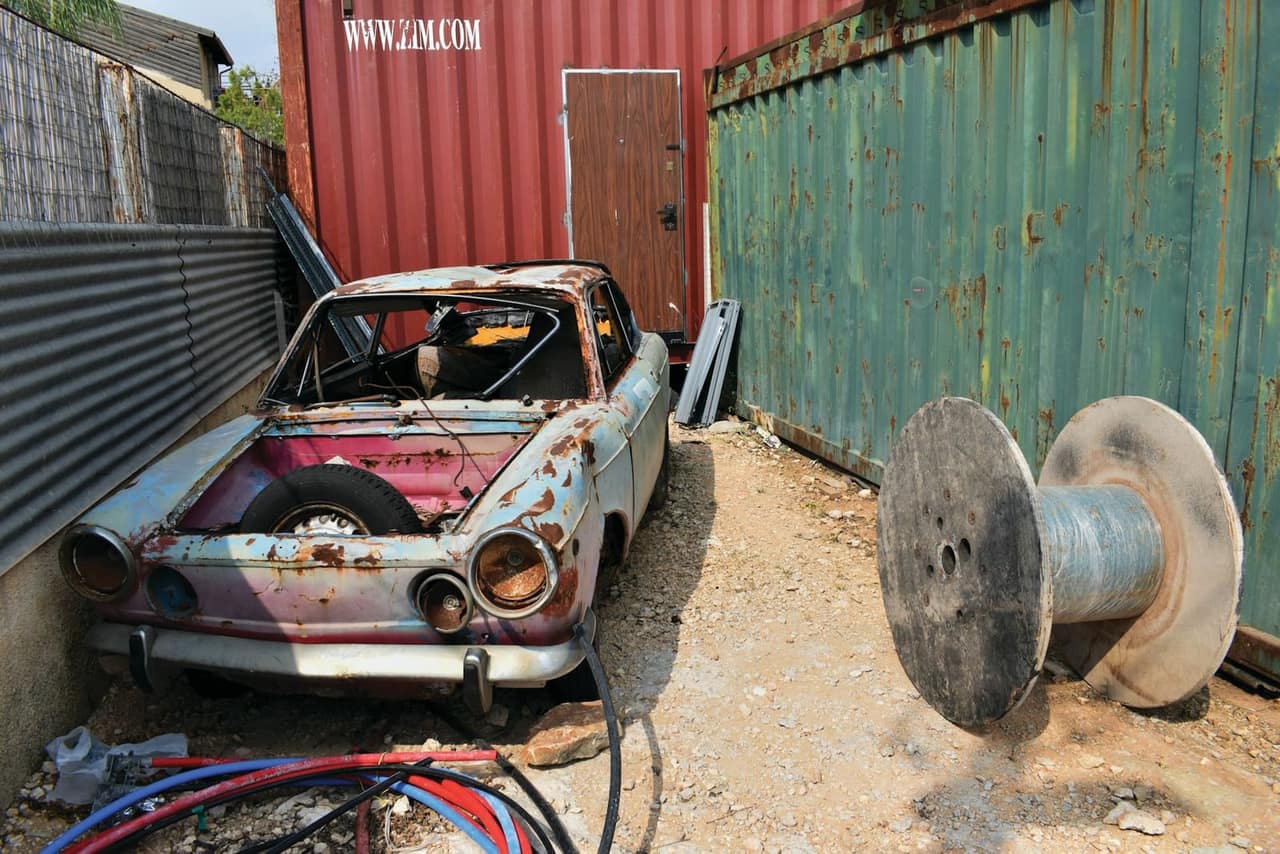
Used parts are not a lottery if you know what you are doing
Let's be honest. Buying used car parts gives most people a slight feeling of unease. Will this part actually work? How long will it last? Did I just throw my money away? These are the questions running through your head while you stare at an engine or gearbox sitting on a scrapyard shelf.
But here's the good news. Buying used parts doesn't have to be risky. In fact, if you know what to look for, you can get a part that will serve you for years, and you'll pay half of what you would for a new one. Sometimes even less than that.
Three things make all the difference: knowing who you are buying from, knowing how to check a part before you pay, and knowing your rights if something goes wrong. Those are the three legs of the stool. Master them, and buying used parts becomes routine. No philosophy, no complications.
Why buy used parts in the first place?
Before we get into the details, let's clear one thing up. Used parts are not the "lesser option". They are the smart option. Here is why.
A new original part for an average car can cost anywhere from EUR 200 to EUR 2,000 or more, depending on what you need. A new alternator for a Golf 7? Around EUR 350. A used one in good condition? EUR 120 to 150. A gearbox for an Audi A4? Brand new costs an astronomical EUR 3,000 or more. A used, tested gearbox? EUR 500 to 800.
And what about quality? An original used part is still an original part. It was made to the manufacturer's specifications, from quality materials, designed to last. The fact that it has been in use does not mean it is bad. It just means it has gone through part of its lifespan. And for many parts, the remaining life is more than enough.
Think about it this way. The average car on European roads has around 150,000 km on the clock. But engines and gearboxes are designed to last 300,000 km or more. So a used engine with 80,000 km still has at least 200,000 km left in it. That is probably more than you will ever drive in that car.
Which parts are most commonly bought used?
Not all parts are equally suitable for buying second-hand. Some are an excellent choice, while others are better bought new. Here is the breakdown.
Parts absolutely worth buying used
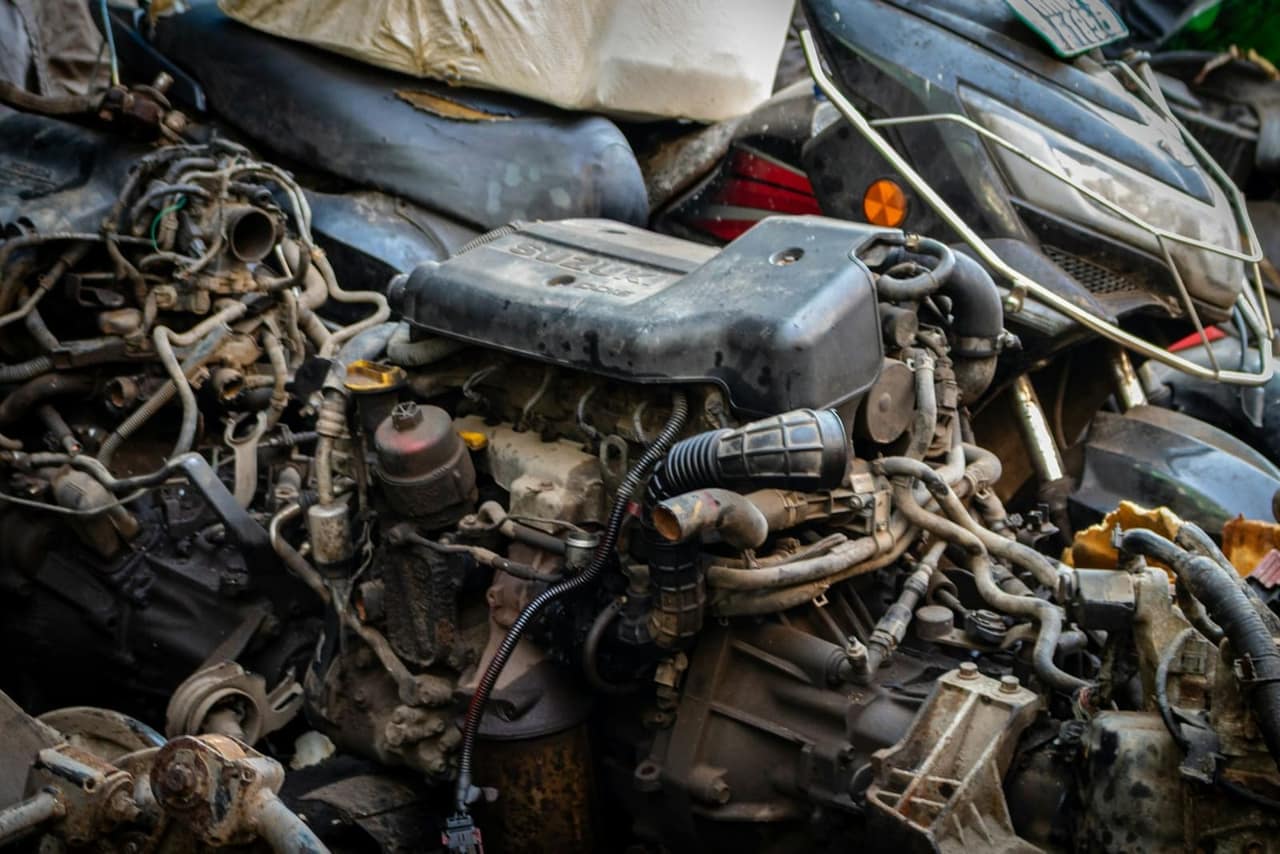
- Engines - the engine is the most expensive part of a car, and a used engine can save you thousands of euros
- Gearboxes - both manual and automatic, used ones are far cheaper
- Body panels - doors, hoods, fenders, bumpers. If you find one in the right colour, you don't even need to paint it
- Alternators and starters - mechanically tough and long-lasting
- Electronics - ECUs, instrument clusters, sensors. They usually either work or they don't, no middle ground
- Seats and interior - seats, door cards, steering wheels, consoles
- Glass parts - windscreens, side and rear glass
- AC compressors - new ones are extremely expensive, used is a great alternative
- Turbos - a new turbo can cost EUR 1,000 or more, a used one EUR 200 to 400
- Wheels - original wheels in good condition are always in demand
What to watch for with each of these
Every type of part has its own quirks. An engine needs to be checked for compression, oil leaks and the state of the turbo if it has one. A gearbox should be tested through all gears. Body panels need a visual inspection for signs of corrosion and previous repairs.
But the general rule is simple: if a part looks clean, has no visible damage, and comes with some kind of warranty or return policy, it is probably fine. Professional sellers of used parts inspect and test their stock before listing it. And if you buy through a platform like PoDi, you have an extra layer of security because you can see seller ratings and reviews.
How to choose a good supplier
This is probably the most important part of the whole story. A good supplier makes the difference between a great experience and a nightmare. Here is what to look for.
Reputation and track record
How long have they been in business? Do they have a physical location or are they only online? Are they registered as a proper business? These basic questions tell you straight away how serious a supplier is. A scrapyard that has been operating for 15 years from the same location probably did not survive that long by ripping people off.
Reviews and recommendations
Google reviews, Facebook recommendations, forum experiences. All worth checking. But be careful, do not look only at the overall rating. Read the negative reviews and see how the supplier responded to them. That tells you a lot about how they do business.
Warranty and returns
A serious supplier stands behind their parts. That means a warranty of at least 30 days, and for bigger parts like engines and gearboxes, six or even twelve months. They should also offer the option to return a part if it does not fit or does not work properly.
Transparency
A good supplier gives you all the information about a part. Where it came from, how many kilometres the donor car had, whether there are signs of damage, whether it has been tested. If a seller does not want to answer your questions or is vague in their replies, that is a red flag.
Where to buy used parts
You have several options, and each has its pros and cons.
Scrapyards
The classic option. You go in person, look at the parts, and take them with you. The benefit is that you can see and touch everything. The downside is that you need to know what you are looking for and you need time to visit them.
Online platforms
This is where PoDi comes in. Instead of visiting ten scrapyards across the region, you can simply send a request for the part you need and get offers from verified suppliers. You save time, fuel, and frustration. PoDi is a connector, not a seller - we link you with suppliers who actually have the part.
Private listings
Classified sites, Facebook groups and similar. You can find good parts here, but the risk is higher because you have no protection. A private seller will not give you a warranty or an invoice. If the part does not work, you have no one to turn to.
Step by step: how to buy a used part
Let's put this all into a practical framework. Here is exactly how I would approach buying a used part.
1. Identify exactly which part you need
Not just "I need an alternator". I need an alternator for a BMW 320d, E90, 2008, N47D20A engine. The more precisely you define what you need, the smaller the chance of getting it wrong. For this, the VIN of your car is essential, but we have a separate article on that.
2. Research the market
Before you buy the first part you stumble across, check prices in a few places. That gives you a feel for a fair price and stops you from overpaying. Compare prices at scrapyards, online platforms and private listings.
3. Vet the supplier
As we already said: reviews, warranty, transparency. Do not skip this step.
4. Ask questions
Ask where the part came from, how old it is, whether it has been tested, what warranty they offer. A good seller will gladly answer every question. A bad seller will get annoyed or dodge the answer.
5. Inspect the part before buying
If you are buying in person, examine the part in detail. If you are buying online, ask for detailed photos. Even better, ask for a video of the part in operation if that is possible.
6. Agree the warranty and return terms
Before you pay, agree the conditions clearly. How long does the warranty last? What does it cover? How are returns handled? All of this needs to be clear before the transaction.
Common mistakes you need to avoid
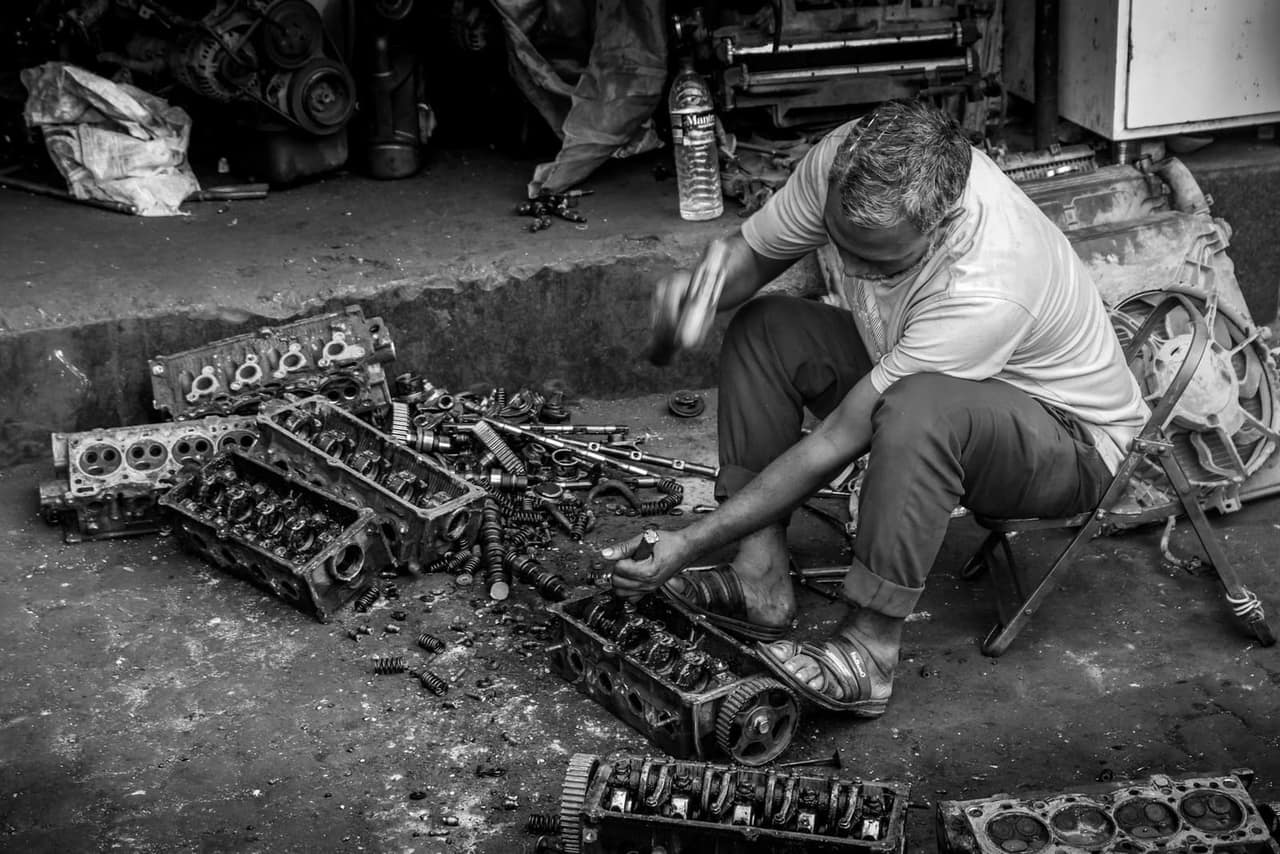
Over the years we have seen many cases where buyers make mistakes that are entirely avoidable. Here are the most common ones.
- Buying the cheapest part without checking - cheaper is not always better. If the price is significantly lower than average, there is a reason for it
- Ignoring the warranty - buying a part without any warranty is like playing roulette. Sometimes it works out, sometimes it doesn't
- Wrong part for the wrong car - this happens more often than you might think. Always check compatibility using the VIN or the OEM part number
- Buying from unverified sources - some random guy on Facebook selling a turbo out of his garage may not be the best choice
- Skipping professional installation - even if the part is perfect, a bad install can ruin everything. This especially applies to engines, gearboxes and turbochargers
How much can you realistically save?
To give you a concrete feel for it, here are some examples from real life.
| Part | New (original) | Used | Saving |
|---|---|---|---|
| 2.0 TDI engine | EUR 3,500 | EUR 800 to 1,200 | up to 75% |
| Automatic gearbox | EUR 2,500 | EUR 600 to 900 | up to 70% |
| Turbocharger | EUR 1,200 | EUR 250 to 400 | up to 70% |
| Alternator | EUR 350 | EUR 100 to 150 | up to 60% |
| Front door (complete) | EUR 800 | EUR 150 to 250 | up to 70% |
| AC compressor | EUR 500 | EUR 120 to 200 | up to 65% |
The numbers speak for themselves. On bigger parts the saving is measured in thousands of euros. And when you consider that the average driver spends EUR 500 to 800 a year on car repairs, the gap between new and used parts can be significant.
PoDi: a simpler way to buy
If you don't fancy driving around scrapyards and haggling with ten different sellers, there is an easier way. PoDi connects you with suppliers across the region. Send a request for the part you need and compare offers in one place.
How does it work? Simple. You enter which part you need, for which car, and the system sends your request to relevant suppliers. They send you offers with prices, photos and terms. You pick the offer that suits you best, and you arrange the purchase, payment and delivery directly with the supplier.
No driving across the country, just concrete offers in one place.
Three rules for safer used parts buying
Buying used car parts does not have to be stressful. With the right approach and a bit of knowledge, it can be a smart financial decision that saves you hundreds or thousands of euros. The key is knowing what you are buying, who you are buying from, and having some form of warranty in place.
Remember these three rules: check the compatibility of the part with your car (via the VIN or the OEM number), buy from verified suppliers, and agree the warranty terms before paying. With that in mind, used parts become the logical choice for most repairs.
Need a part for your car? Send a request through PoDi and compare offers from multiple suppliers.